 English
 русский
 Español
 عربى
عربى
JingShi
JingShi
JingShi
JingShi
JingShi
JingShi
JingShi
JingShi
JingShi
Content
- 1 What Is a Glass Vacuum Lifter and How Does It Work?
- 2 Manual Suction Cups vs. Crane-Operated Vacuum Lifters: A Side-by-Side Comparison
- 3 5 Critical Parameters for Choosing a Glass Vacuum Lifter
- 4 Safety First: Essential Features to Look For
- 5 Total Cost of Ownership (TCO): What to Expect Beyond the Purchase Price
- 6 Integrating a Vacuum Lifter into Your Production Line
- 7 Maintenance Checklist: Keep Your Lifter Running Safely
What Is a Glass Vacuum Lifter and How Does It Work?
A glass vacuum lifter uses negative air pressure to grip, lift, and transport glass sheets without manual clamping or strapping. An electric or pneumatic vacuum pump evacuates the air inside a suction pad, creating a partial vacuum that presses the pad firmly against the glass surface. The holding force depends directly on the pad diameter and the vacuum level — a larger pad area and deeper vacuum both raise the lifting capacity.
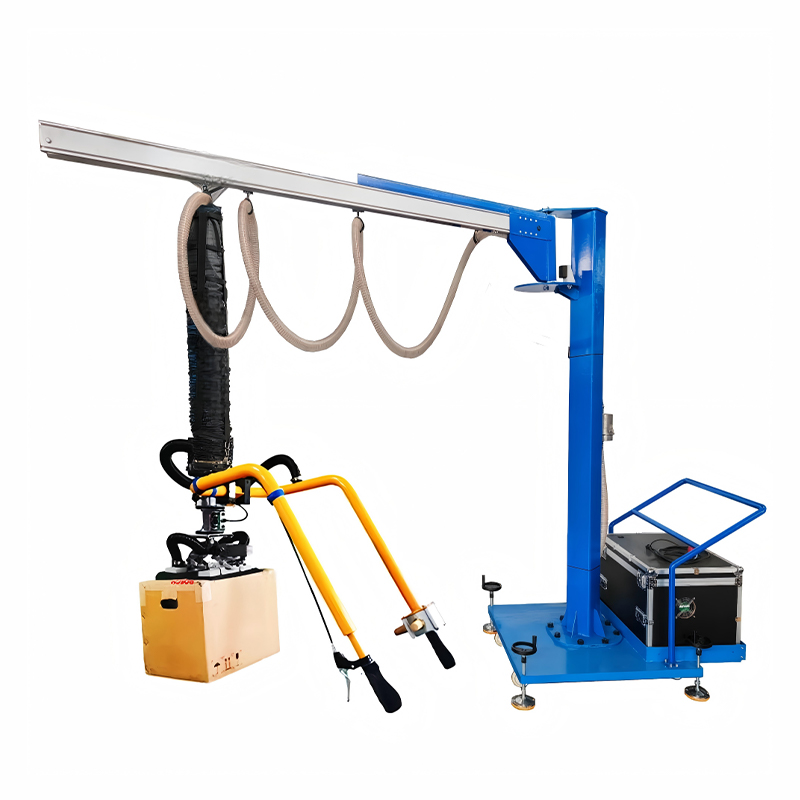
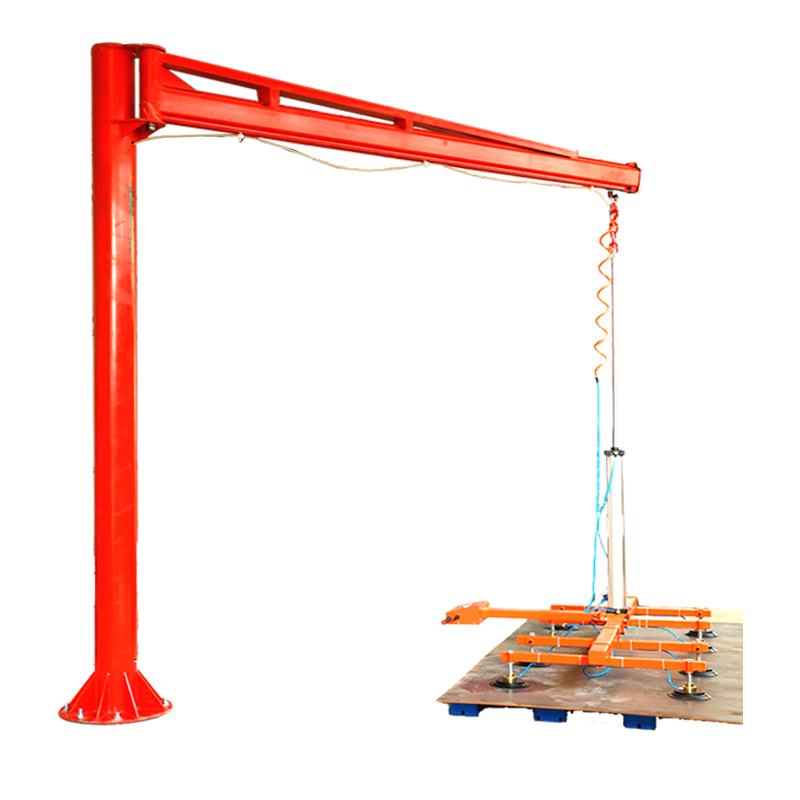
Unlike a hand-held suction cup that relies on arm strength, a crane-operated vacuum lifter distributes the load through a structural frame. The operator guides the load while a hoist, jib crane, or bridge crane carries the weight. This eliminates the risk of operator fatigue and sudden release. Even textured glass can be handled safely when the lifter is fitted with the correct pad material and a high‑flow vacuum pump.
A properly specified vacuum lifter can handle glass sheets from 50 kg up to 1,800 kg. The system’s safety circuit continuously monitors vacuum pressure. If pressure drops below a preset threshold, a loud alarm triggers and mechanical locks engage instantly to prevent the load from falling.
Manual Suction Cups vs. Crane-Operated Vacuum Lifters: A Side-by-Side Comparison
Shops that move only small, lightweight panels sometimes get by with manual suction cups. For anything above 80–100 kg or where productivity and worker safety are priorities, a crane-operated vacuum lifter changes the operating model. The table below highlights the differences that matter on the shop floor.
| Feature | Manual Suction Cups | Crane-Operated Vacuum Lifter |
|---|---|---|
| Typical Load Capacity | Up to 100 kg | 400 kg to 1,800 kg |
| Operator Effort | Full weight on arms and back | Guides the load; crane carries weight |
| Safety | Relies on grip strength; no alarm | Vacuum sensor, alarm, mechanical anti‑fall lock |
| Cycle Time per Sheet | 3–5 minutes (manual alignment, lift, carry) | Under 1 minute (fast attachment, crane travel) |
Data from glass fabrication floors shows that switching to a vacuum lifter can cut per‑sheet handling time by more than 60%. The investment returns to the operator in the form of lower injury rates and higher throughput, not just a line‑item equipment cost.
5 Critical Parameters for Choosing a Glass Vacuum Lifter
Selecting a vacuum lifter without a checklist often leads to overspending on unnecessary capacity or, worse, underestimating the load and risking workplace safety. These five parameters give a complete decision framework.
- Load Capacity and Glass Dimensions. Always calculate capacity with a safety factor of at least 2. If the heaviest sheet weighs 400 kg, specify a lifter rated for 800 kg or more. Also consider the glass length and width — the pad spread must distribute the load evenly without bending the sheet.
- Suction Pad Material and Configuration. Silicone pads work best on polished, clean glass and leave no marks. Polyurethane pads grip textured or patterned surfaces and resist abrasion. The number of pads and their diameter together determine the total holding force; four 300‑mm pads can securely lift 600–800 kg on smooth glass.
- Vacuum Pump Type. Electric pumps suit indoor lines with reliable power. Pneumatic (compressed‑air‑driven) pumps are preferred where electrical equipment is restricted or where the lifter will be used outdoors. Check duty cycle — continuous‑duty pumps are essential for high‑cycle production.
- Safety Redundancy. Look for dual‑circuit vacuum systems with independent check valves on each pad line. If one circuit fails, the remaining circuit still holds the load long enough for the operator to lower it safely.
- Tilt and Rotation. Many glass installation tasks require tilting the panel from vertical to horizontal. A pneumatic tilt function (0–90°) and manual or powered rotation make positioning precise and fast. Confirm the tilt mechanism is rated for the full load.
Safety First: Essential Features to Look For
A vacuum lifter that loses grip mid‑lift can cause catastrophic damage and serious injury. The following safety features are not optional add‑ons; they form the baseline for any industrial glass handling system.
- Vacuum pressure sensor with real‑time display. The operator must see the current vacuum level at all times. If the gauge drops into the yellow zone, the load must be set down immediately.
- Audible and visual alarm. When the vacuum falls below 60% of the working level, a loud alarm and flashing light warn everyone in the area. This alarm must be impossible to ignore in a noisy plant.
- Manual emergency release valve. In case of power loss or control failure, the operator can safely release the vacuum without tools and lower the glass to the ground in a controlled way.
- Mechanical anti‑fall lock. A spring‑loaded or solenoid‑driven mechanical catch engages automatically if vacuum is lost, preventing the glass from dropping even if all electronics fail.
- Check valve per suction pad. Each pad must have its own one‑way valve so that a single pad leak does not bleed vacuum from the entire system.
Total Cost of Ownership (TCO): What to Expect Beyond the Purchase Price
The invoice price of a vacuum lifter is only the starting point. Factoring in maintenance, replacement parts, and operating costs over five years gives a much sharper picture of the real investment. A well‑maintained lifter typically runs 8–10 years before a major overhaul.
Suction pads are the most frequently replaced consumable. On a glass handling line running two shifts, silicone pads usually last 6 to 12 months depending on surface contact frequency and abrasion. A set of four pads costs between $200 and $500. Vacuum pump oil and filters need attention every 500 operating hours. Annual servicing — checking hoses, seals, sensors, and bolts — adds roughly $300 to $600 per year.
Use this simplified 5‑year TCO estimate as a starting point: Initial purchase + (pad replacements × number of cycles) + (annual service × 5) + (energy cost per year × 5). A lifter with a $9,000 purchase price might accumulate $3,000 to $4,500 in additional costs over five years under typical usage. Models with modular pad connections and quick‑change filters tend to post lower lifetime costs because maintenance takes less labour.
Integrating a Vacuum Lifter into Your Production Line
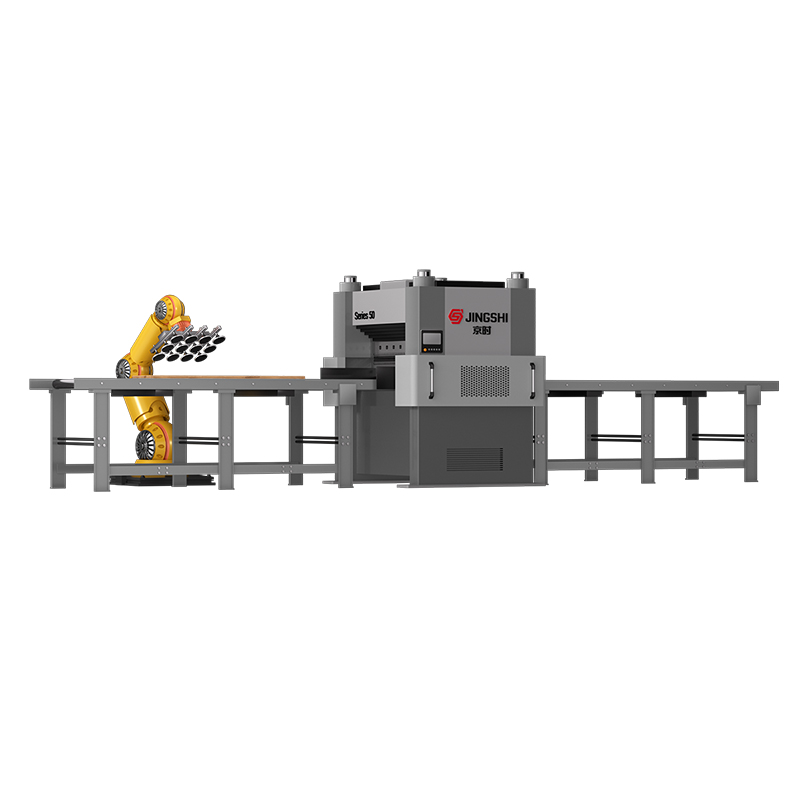
A glass vacuum lifter rarely operates in isolation. It works best when it becomes part of a material flow that starts with decoiling and leveling and ends with palletised finished sheets. After a coil leveling line flattens the substrate, the vacuum lifter picks the sheet directly from the roller table and places it on a stack or a cutting table. Mounting the lifter on a fixed jib crane or a mobile folding arm crane gives the workstation the reach and swing radius needed to serve multiple machines.
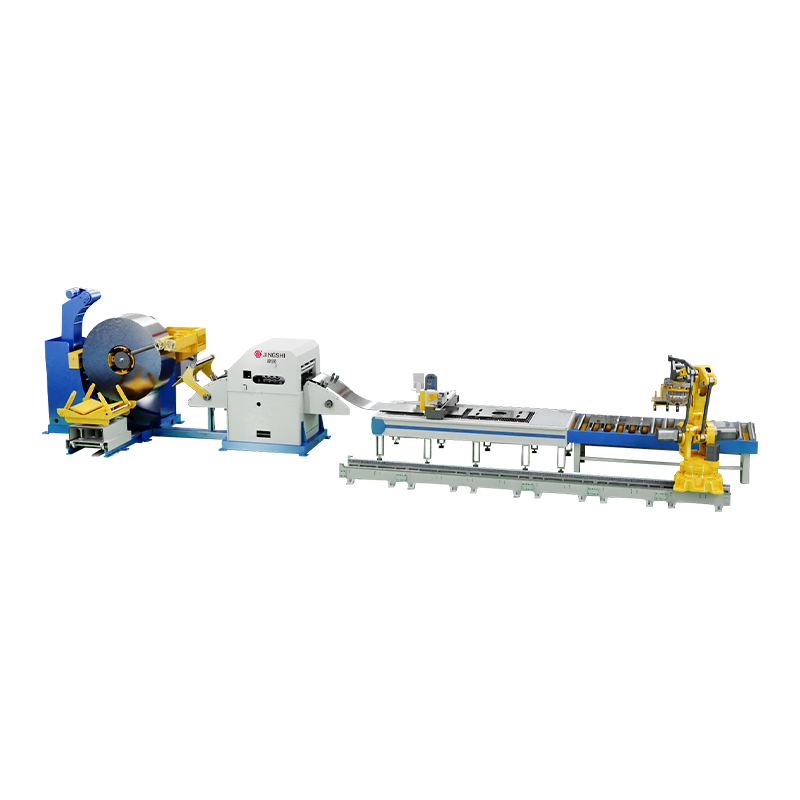
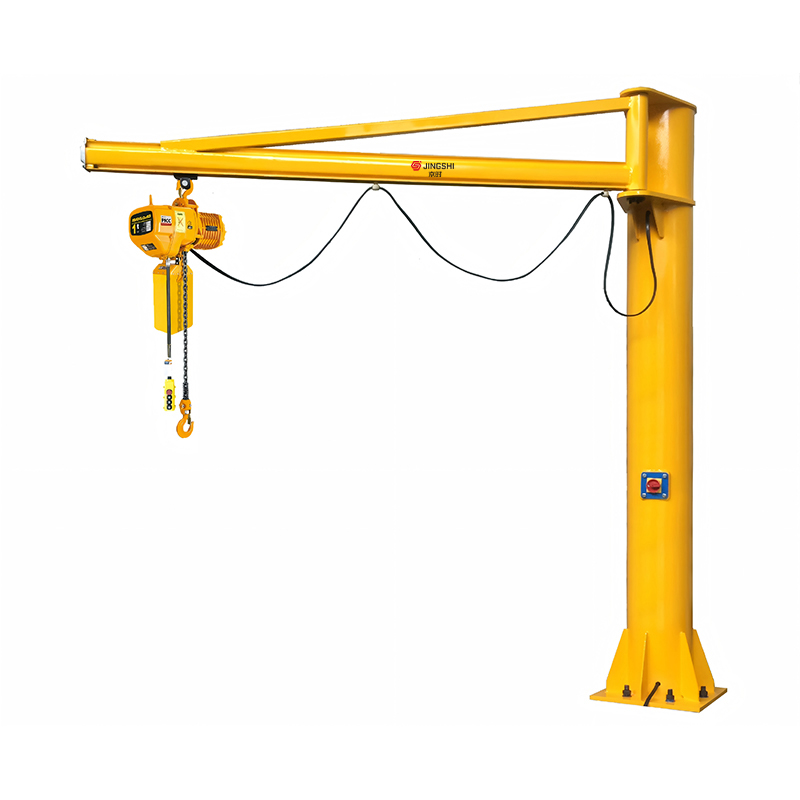
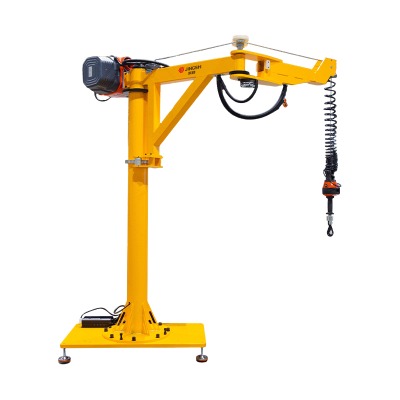
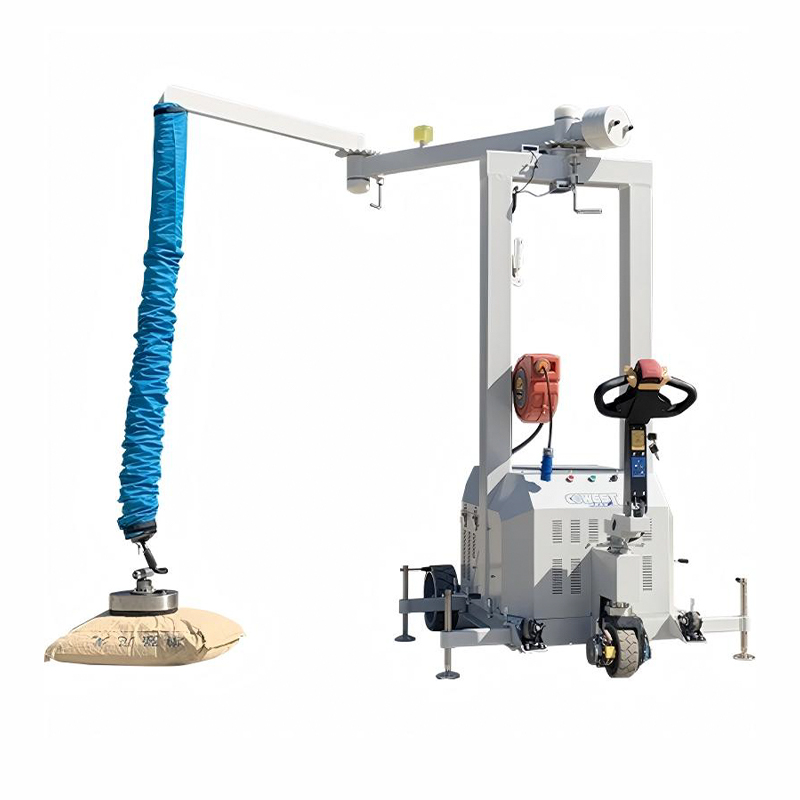
For high‑mix glass shops, a mobile vacuum lifter on a folding arm can move between different work cells without additional rigging. Operators can handle sheets from 3 mm architectural glass up to 19 mm laminated safety glass with the same lifter if the pad layout and pump capacity are chosen correctly. Integrating the lifter’s vacuum status signal with the overhead crane’s control loop further improves safety — the crane will not lift unless vacuum is confirmed.
Maintenance Checklist: Keep Your Lifter Running Safely
Consistent, simple maintenance extends pad life, preserves vacuum performance, and prevents the kind of failures that lead to unscheduled downtime. The table below covers the minimum actions that every operator and maintenance team should follow.
| Interval | Task | What to Check |
|---|---|---|
| Daily | Inspect suction pads | Cuts, cracks, or embedded debris; wipe with a damp cloth |
| Daily | Test alarm and vacuum gauge | Trigger low‑vacuum condition to confirm alarm sounds |
| Weekly | Clean vacuum filter | Remove the filter element and blow out dust with compressed air |
| Weekly | Check hoses and fittings | Look for crimps, leaks, or loose clamps |
| Monthly | Test pump performance | Measure vacuum level at the gauge with all pads sealed; compare to spec |
| Monthly | Lubricate tilt and pivot joints | Apply manufacturer‑recommended grease to all moving joints |
| Monthly | Verify bolt torque | Check fasteners on the frame, pad brackets, and crane mount |