 English
 русский
 Español
 عربى
عربى
JingShi
JingShi
JingShi
JingShi
JingShi
JingShi
JingShi
JingShi
JingShi
Content
- 1 1. Introduction to Panel Lifting Devices
- 2 2. The Four Main Types of Panel Lifting Devices
- 3 3. Key Selection Criteria: A 5-Factor Decision Framework
- 4 4. Comparative Analysis: Vacuum Lifters vs. Manipulators vs. Manual Lifters
- 5 5. Safety and Compliance: What to Look For
- 6 6. Integration with Production Lines: 3 Common Models
- 7 7. ROI Analysis: Calculating the Payback Period
- 8 8. Conclusion and Next Steps
1. Introduction to Panel Lifting Devices
Every year, manufacturers lose thousands of hours to slow, manual panel handling. A single worker repositioning 50 kg aluminum sheets across a shift can strain productivity and accumulate injury risk that eventually costs a facility far more than any piece of equipment.
Panel lifting devices solve that equation by letting one operator move heavy sheets, glass panes, and insulated panels safely and quickly. But the market now offers vacuum lifters, power-assisted manipulators, manual mechanical lifters, and even folding arm cranes, each suited to different loads and shop floor layouts. This comparison cuts through the overlap so you can identify which device matches your panels, your cadence, and your budget.
2. The Four Main Types of Panel Lifting Devices
Four equipment categories dominate panel handling today. Knowing their core mechanism tells you immediately what kind of material and workflow each serves.
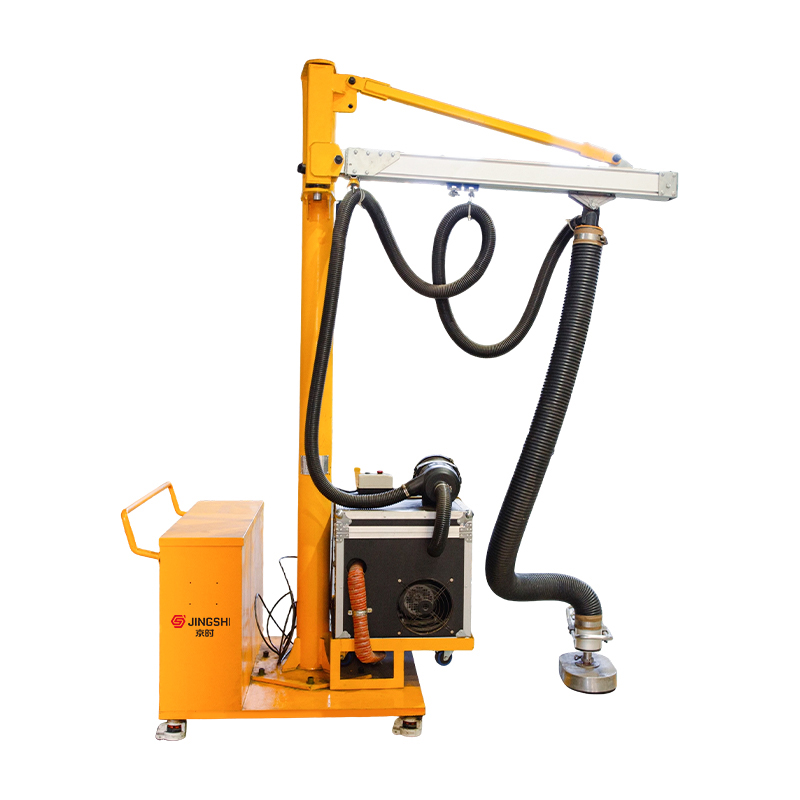
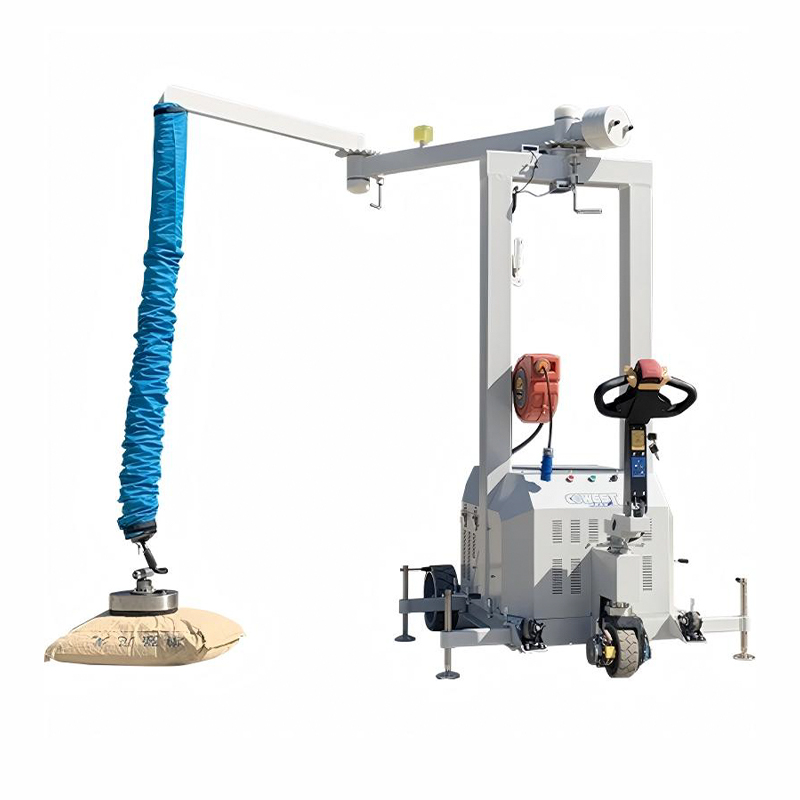
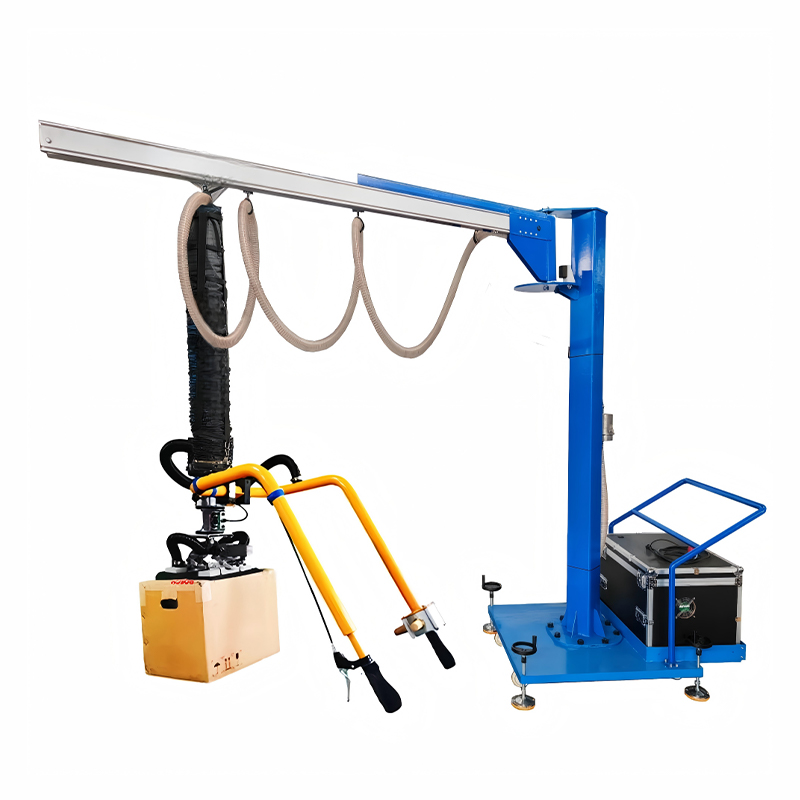
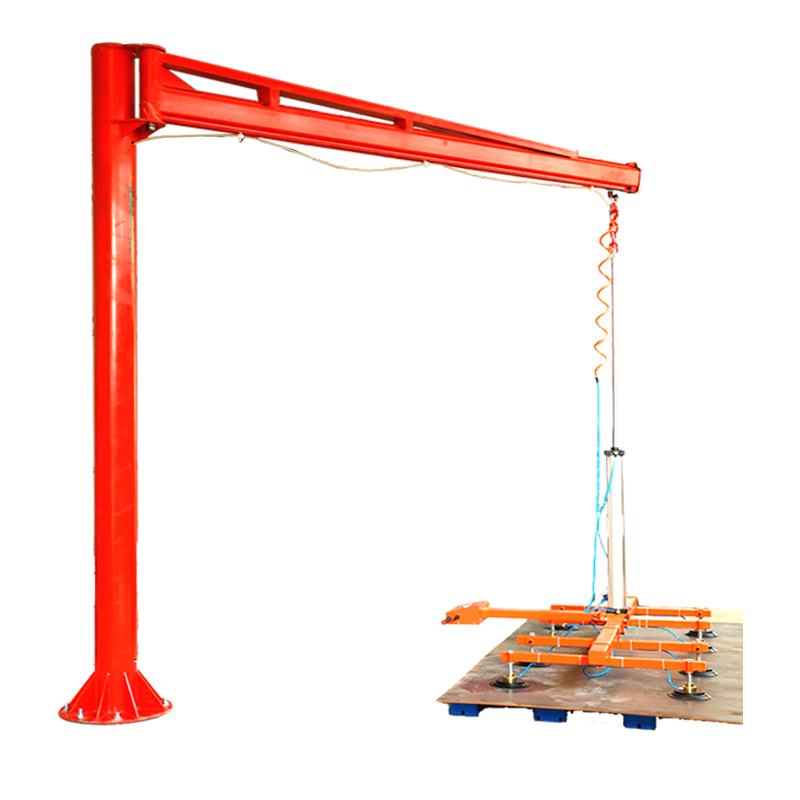
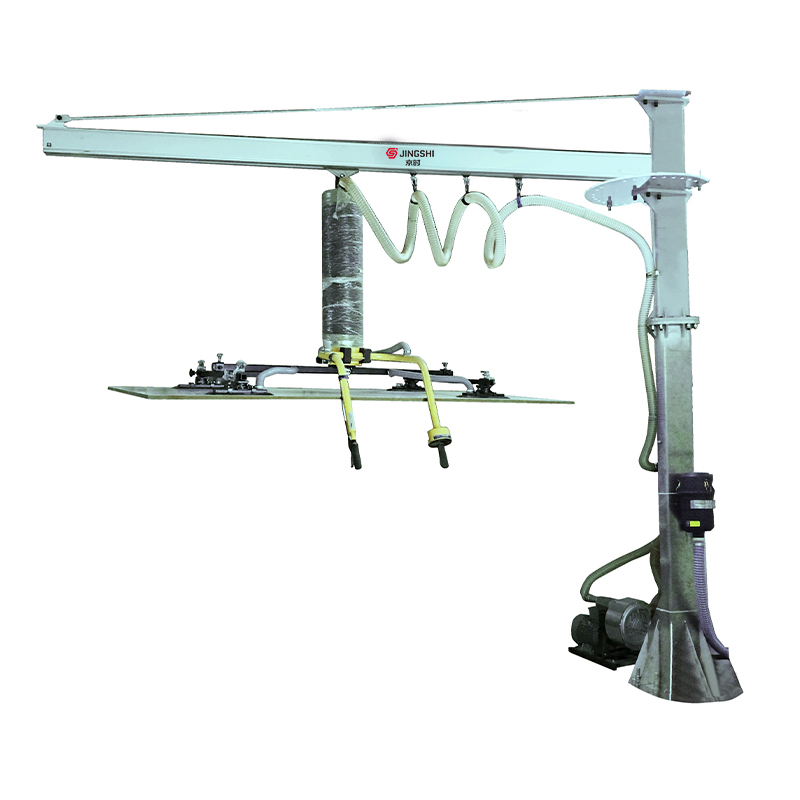
- Vacuum Lifters: Use suction cups to grip non-porous surfaces. They handle sheet metal, glass, painted panels, and laminated boards without marking. A vacuum lifter suited to panel work typically lifts 150 kg to 500 kg and allows 180-degree rotation. Single-operator control is standard.
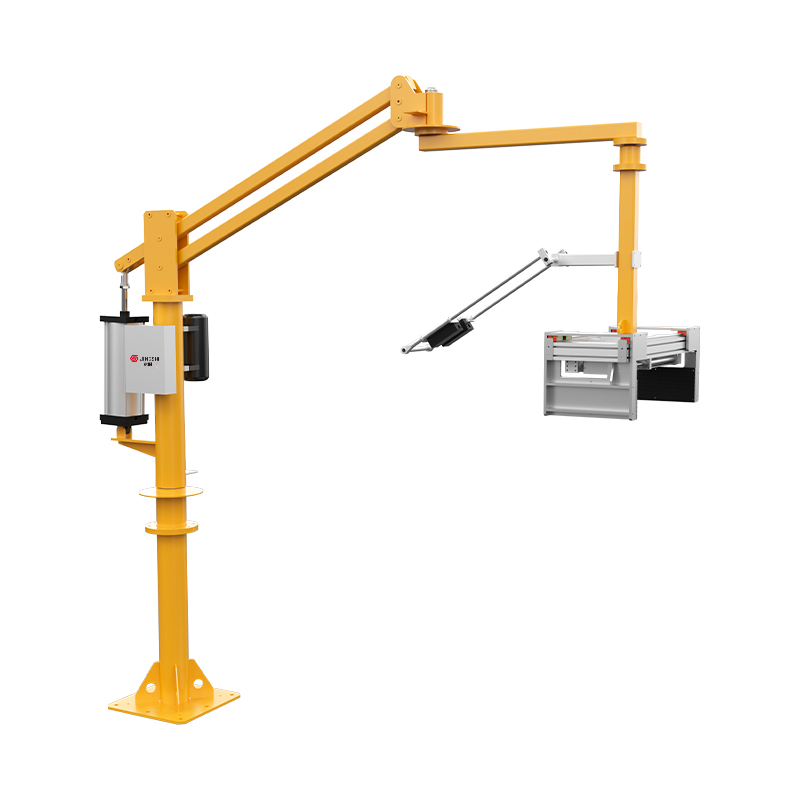
- Power-Assisted Manipulators: Combine a mechanical arm with pneumatic or electric assist to amplify human force. These devices clamp, hook, or vacuum-attach to the load. A power-assisted manipulator excels where panels must be tilted, flipped, or positioned into jigs with millimeter precision.
- Manual Lifters: Range from simple lever tongs to standing floor-panel lifters. They cost a fraction of powered systems but demand physical effort. Best suited for infrequent use or panels under 30 kg where budget trumps speed.
- Folding Arm Cranes: Multi-joint boom cranes that snake around pillars and overhead ducting. Paired with a grab or vacuum head, they place large panels into enclosures or presses in tight footprints. Their reach and articulation surpass a straight jib.
3. Key Selection Criteria: A 5-Factor Decision Framework
Equipment catalogs list capacities, but the real choice hinges on five operational variables. Evaluate each before shortlisting devices.
| Factor | What It Dictates |
|---|---|
| Panel Weight | Determines minimum lift capacity. Add a 25% safety margin over the heaviest panel. Vacuum and manipulator systems handle 50–500 kg; manual lifters rarely exceed 80 kg. |
| Panel Dimensions (L×W×Thickness) | Drives the number and layout of suction cups or grippers. Large thin sheets need multiple cups to prevent sagging; thick slabs require deep jaws. |
| Handling Frequency | Below 10 panels per hour, a manual lifter may suffice. At 30+ per hour, powered devices repay their investment within months through speed alone. |
| Work Environment | Dusty or oily floors degrade vacuum performance unless the system includes filter protection. Outdoor sites rule out standard electric manipulators unless IP-rated. Cleanrooms demand stainless steel and sealed bearings. |
| Budget Range | Entry-level manual lifters sit under 2,000 USD. Mid-range vacuum and manipulator systems span 8,000–20,000 USD. Full turnkey cells with automation exceed 40,000 USD. Factor in installation and spare cup kits. |
Run each candidate through this checklist. You will eliminate mismatches before ever contacting a supplier.
4. Comparative Analysis: Vacuum Lifters vs. Manipulators vs. Manual Lifters
Side-by-side data turns guesswork into engineering logic. The matrix below captures what field experience tells us about the three core powered and manual pathways.
| Criterion | Vacuum Lifters | Power-Assisted Manipulators | Manual Lifters |
|---|---|---|---|
| Typical Load Capacity | 100–500 kg | 80–400 kg (arm-dependent) | 15–80 kg |
| Operator Skills | Low; push-button control | Moderate; joystick positioning | None; mechanical leverage |
| Cycle Time (per panel) | 8–15 seconds | 10–20 seconds | 40–90 seconds |
| Injury Risk Reduction | High; zero manual lift | High; guided motion | Low; still requires stoop/lift |
| Panel Compatibility | Non-porous, clean, flat | Any shape with clamping | Limited; standard profiles |
| Approximate Cost (USD) | 8,000–18,000 | 12,000–25,000 | 800–2,500 |
Vacuum lifters dominate when speed and gentle handling matter most—think painted appliance panels or solar glass. Power-assisted manipulators take over where panels need orientation changes mid-air or insertion into tooling. Manual lifters remain viable for low-volume, low-budget shops, but the labor cost advantage disappears as cycle counts rise. A facility moving 60 panels a day will recover the difference between a manual and a vacuum solution in under 18 months purely on reduced overtime and strain-related absences.
5. Safety and Compliance: What to Look For
A lifter that drops a panel destroys product and can seriously injure operators. Safety features are not optional extras; they are the purchase specification.
- Load Test Certification: Demand a factory test report for the complete assembled unit, proving 1.25× rated capacity with no permanent deformation. A certificate from a notified body adds confidence.
- Vacuum Integrity: Systems must include an audio-visual alarm and automatic vacuum reserve that holds the panel for at least 20 seconds after pump shutdown. Check that cup seals match the surface roughness of your panels; a vacuum lifter handling textured powder-coated metal needs a softer, higher-volume seal than one lifting polished glass.
- Emergency Stop and Redundancy: At least one mushroom-head E-stop within the operator’s line of sight. Redundant check valves prevent sudden air loss if a hose ruptures.
- CE / OSHA Marking: For U.S. buyers, OSHA conformance under 29 CFR 1910 subpart N is essential. European-made units should carry CE marking with a Declaration of Conformity to the Machinery Directive 2006/42/EC.
- Operator Guarding: Pinch-point protection around moving arms. If the device lifts above shoulder height, the control handle must be offset so the operator stands clear.
Ask for the safety documentation during the quotation stage. A supplier who cannot produce a dated risk assessment within 48 hours is one to avoid.
6. Integration with Production Lines: 3 Common Models
Panel handling rarely happens in isolation. How a lifter connects to upstream and downstream machines defines its overall value. Three integration patterns cover most factories.
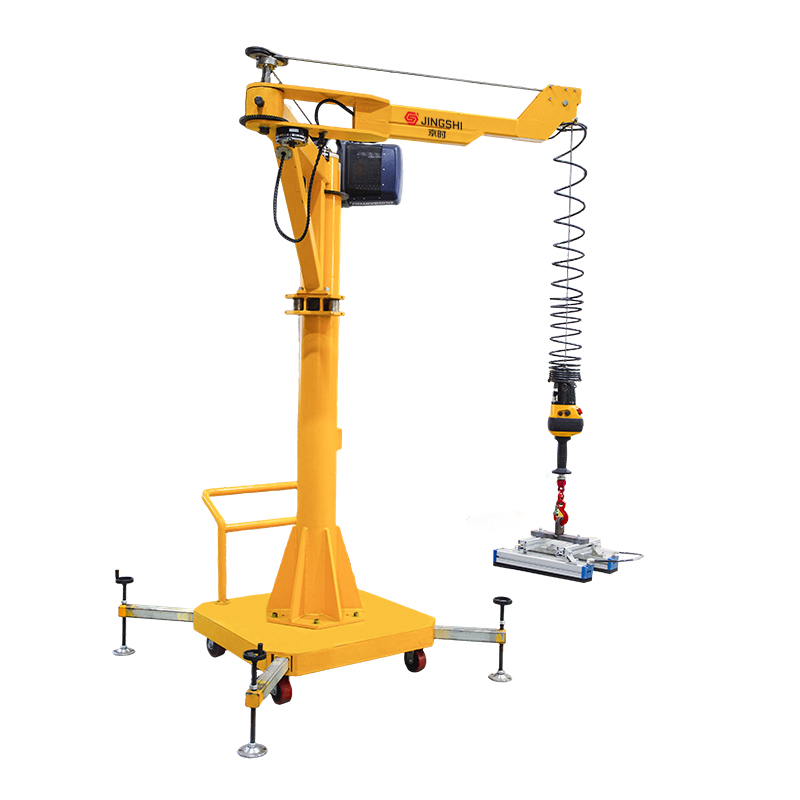
- Standalone Workstation: The lifter is bolted to the floor or mounted on a mobile base. Operator retrieves panels from a pallet and delivers them to a nearby table or press. Best for job shops with changing panel sizes. A mobile folding arm crane with quick-change tooling is an excellent fit here, as it can be repositioned for different cell layouts.
- Inline with Leveling Machines: After a coil leveling line flattens sheet metal, a vacuum lifter picks the leveled sheet and places it directly into a laser cutter or punch. This eliminates a manual transfer point and keeps the sheet flat, improving cut quality. Synchronization requires simple I/O signals between the lifter PLC and the line controller.
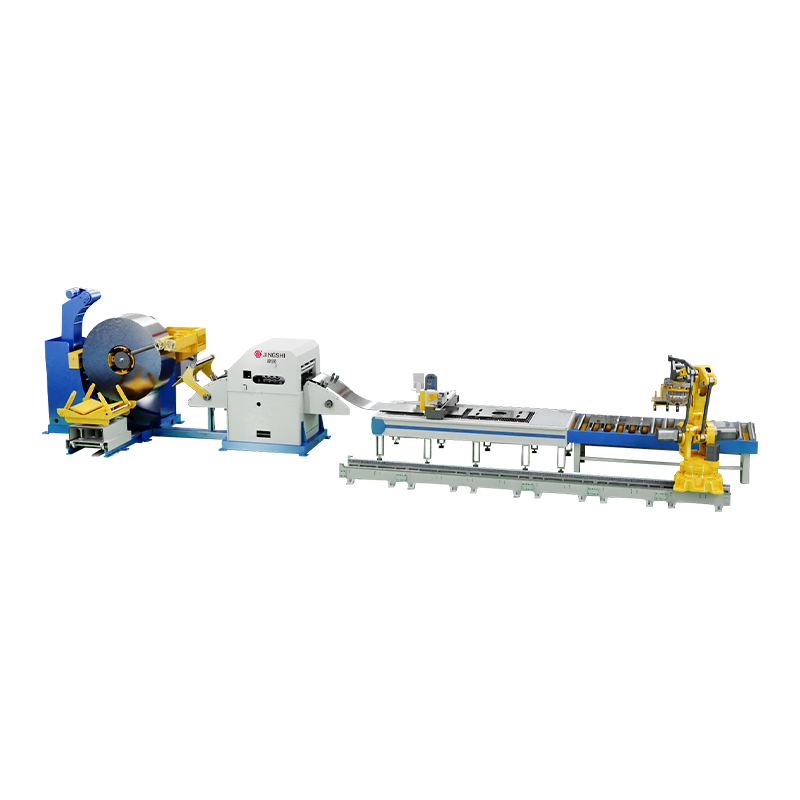
- AGV-Tended Cells: An autonomous mobile robot delivers stacks of panels to a fixed manipulator cell. The manipulator destacks and presents each panel to a welding or assembly station. This model cuts forklift traffic and runs lights-out. It needs a communication protocol like Profinet or EtherNet/IP and a laser area scanner for human safety.
7. ROI Analysis: Calculating the Payback Period
Many managers hesitate at the upfront price of a powered lifter, yet the math tells a different story. A conservative calculation for a facility switching from two-person manual handling to a single-operator vacuum lifter illustrates the return.
| Cost / Saving Item | Manual (2 Operators) | Vacuum Lifter (1 Operator) |
|---|---|---|
| Total labor cost per day (USD, at 25/hr) | 400 | 200 |
| Lost production due to injury claims (annual avg) | 1,500 | 200 |
| Panel damage rate (scrap cost) | 600/year | 120/year |
| Equipment cost (one-time) | 1,200 | 14,000 |
Daily labor savings of 200 USD, across 250 working days, yield 50,000 USD in the first year. Add reduced injury and scrap costs, and the net gain exceeds 50,000 USD. Subtracting the equipment investment, payback arrives before month four. Even if a facility only handles 20 panels a day, the break-even point rarely passes the 12-month mark. Reallocate the freed operator to value-added assembly, and the financial case strengthens further.
8. Conclusion and Next Steps
Choosing a panel lifting device starts with the panel’s weight, surface, and the cadence the floor demands. Vacuum lifters give the fastest cycle for smooth, non-porous materials. Power-assisted manipulators add the orientation control that hard-to-fixture panels require. Manual lifters fill a narrow niche where infrequent handling and capital constraints align.
Qualify suppliers on genuine load-test data, after-sales support, and their ability to integrate the device with your existing lines. Request a demonstration with your actual heaviest panel—not a generic test piece. The right partner will run that trial without hesitation, leaving you with performance data that turns a purchase decision into a simple arithmetic exercise.