 English
 русский
 Español
 عربى
عربى
JingShi
JingShi
JingShi
JingShi
JingShi
JingShi
JingShi
JingShi
JingShi
Content
Getting leveling machinery right starts before you place an order. A focused consultation — where you share your material specs, production goals, and line layout with an experienced manufacturer — is what separates a machine that fits seamlessly into your workflow from one that causes costly delays. This guide walks you through exactly what that consultation covers, what to prepare, and how to evaluate the manufacturer you choose to work with.
What Is Leveling Machinery Consultation
A leveling machinery consultation is a technical dialogue between a manufacturer and a buyer to determine which leveling solution best fits a specific production requirement. It is not simply a sales call. At its core, the process involves a qualified engineer reviewing your material characteristics, production volumes, flatness tolerances, and downstream processes — and then translating those inputs into a concrete equipment recommendation.
The consultation typically covers three dimensions. First, process definition: understanding what material you are leveling, how it arrives (coil, sheet, or plate), and what flatness specification the next process demands. Second, machine selection: matching roller count, diameter, pitch, drive power, and frame rigidity to your material range. Third, integration planning: accounting for feeding systems, conveyors, automation interfaces, and facility constraints such as floor load capacity and available utilities.
Done well, the consultation eliminates guesswork and ensures that the machine delivered to your facility performs reliably from day one — rather than requiring expensive modifications after installation.
When Do You Actually Need a Consultation
Many buyers assume a consultation is only relevant when purchasing a new machine. In practice, there are several situations where reaching out to a manufacturer's engineering team is the right move.
New production line setup. When building a line from scratch, the leveler must be specified in coordination with other equipment. Skipping a consultation at this stage often leads to mismatches in feed speed, strip width capacity, or automation compatibility. You can explore the full range of industry applications to identify where leveling fits within your specific process.
Material grade or thickness changes. Switching from mild steel to high-strength steel, or expanding the gauge range your line handles, can push an existing machine beyond its designed operating parameters. A consultation helps determine whether adjustments, retrofits, or a replacement unit are needed.
Precision shortfalls. If flatness rejects are climbing or downstream processes such as laser cutting, stamping, or welding are experiencing fitment problems, the issue often traces back to leveling. An engineering review can diagnose whether the problem is machine, process, or material-related.
Facility relocation or line reconfiguration. Moving a leveler to a new building or integrating it into a reorganized line introduces new constraints. Floor conditions, aisle widths, and utility connections may all change — a consultation ensures the installation plan accounts for these factors before the machine arrives on site.
Key Questions to Prepare Before Your Consultation
The more specific your inputs, the more precise the equipment recommendation you will receive. Before contacting a manufacturer, gather answers to the following:
- Material type and grade: What metals will you process — mild steel, stainless, aluminum, high-strength alloy? Each has different yield strengths and springback characteristics that directly influence roller configuration.
- Thickness and width range: What are your minimum and maximum values for both dimensions? The machine must handle your full range, not just the most common specification.
- Flatness tolerance required: Define the acceptable flatness deviation in millimeters per meter or I-units. This determines how many leveling passes and how much inter-roller adjustment the machine needs to deliver.
- Production volume and cycle time: How many tons or pieces per shift? What is the required line speed? These figures determine drive power and frame duty rating.
- Upstream and downstream equipment: What feeds material into the leveler and what receives it? Knowing feed height, strip tension requirements, and conveyor specifications allows the manufacturer to design in compatible interfaces from the start.
- Automation expectations: Do you need PLC integration, automatic gap adjustment, HMI control, or recipe-based parameter storage? Defining this early avoids retrofitting controls after delivery.
- Facility constraints: Floor load limits, ceiling height, power supply voltage and frequency, and available footprint all constrain machine design. Bring these to the consultation rather than discovering conflicts at installation.
Arriving with clear answers to these questions shortens the consultation timeline and accelerates your path to a confirmed specification.
What a Qualified Manufacturer Evaluates During Consultation
Once you have shared your requirements, a technically capable manufacturer runs a structured evaluation before making any recommendation. Here is what that process looks like in practice.
Material analysis. The engineering team calculates the yield strength and plastic deformation characteristics of your specified materials. This determines the minimum bending moment the machine must apply and, consequently, the roller diameter and spacing required to achieve plastic deformation without surface marking.
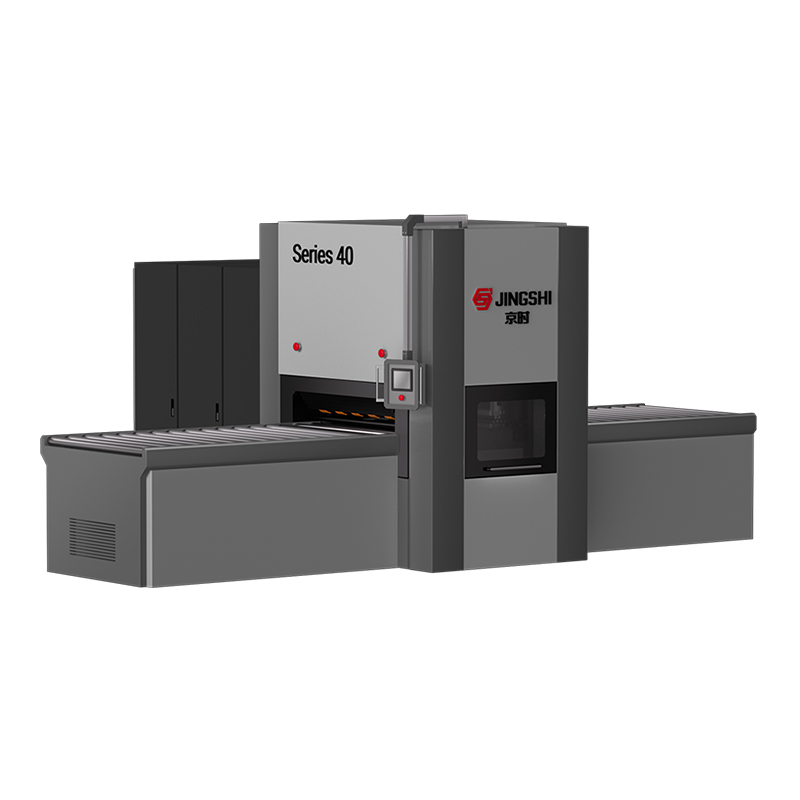
Machine type selection. Based on material and tolerance inputs, the team selects between standard precision levelers, heavy-duty plate levelers, or hydraulic roller configurations. A well-specified hydraulic leveling machine uses hydraulic actuation to maintain consistent inter-roller pressure across the full working width — critical for wide, thick, or variable-gauge materials where mechanical adjustment alone cannot deliver repeatable flatness.
Roller system design. Roller count, diameter, pitch, and backup roller arrangement are calculated to match the bending cycle needed for your flatness target. More rollers and tighter pitch improve flatness quality but increase machine length and cost — the manufacturer should walk you through the engineering rationale for each design choice rather than simply presenting a catalog model.
Hydraulic and drive system sizing. The hydraulic circuit pressure, pump capacity, and servo control response are sized to ensure stable operation across your thickness range without pressure hunting or thermal drift during extended runs.
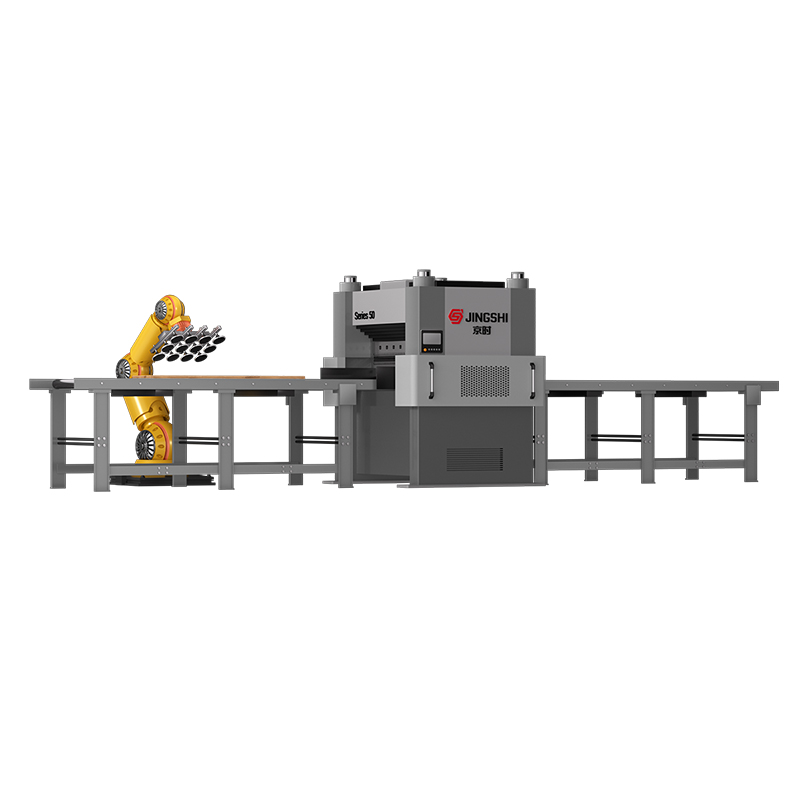
Integration and automation design. The team maps the machine's control architecture to your line PLC or plant network, defines signal interfaces for feeding and stacking equipment, and — if required — programs recipe management so operators can recall validated parameters for recurring material types without manual readjustment.
How to Choose the Right Leveling Machinery Partner
Not every supplier offering a consultation has the engineering depth to back it up. When evaluating potential partners, apply these criteria.
In-house R&D and IP ownership. A manufacturer with its own hydraulic system design capability, roller geometry patents, and servo control logic can customize the machine to your process. A reseller or assembler of commodity components cannot. Reviewing a supplier's technology and innovation history — patents, proprietary testing facilities, and documented development milestones — is a reliable way to distinguish the two.
Application breadth. A manufacturer that has successfully built machines for diverse industries — automotive, aerospace, precision stamping, elevator components, saw blades — has been forced to solve a wide variety of material and process challenges. That accumulated experience directly benefits your project, particularly if your material or tolerance specification is demanding.
Customization track record. Ask for documented examples of non-standard machine configurations the manufacturer has delivered. Custom roller counts, extended working widths, integrated coil feeding, tandem line installations — evidence that these have been engineered and delivered successfully is more meaningful than catalog claims.
Post-delivery support structure. The consultation does not end at machine acceptance. Operators need training, process parameters need validation over the first production runs, and any machine will eventually need maintenance intervention. Confirm that the manufacturer provides commissioning support, remote diagnostics, spare parts availability, and a defined response time for field service.
Communication quality during the consultation itself. How a manufacturer handles the pre-sale consultation is a reliable preview of how they will handle post-sale issues. If questions are answered with detailed technical reasoning rather than generic claims, and if the team proactively identifies potential risks in your application, that is a strong signal of a capable and trustworthy partner.
Start Your Consultation with JingShi
Suzhou JingShi Intelligent Equipment Co., Ltd. has been engineering hydraulic precision leveling solutions since 2016. The company combines in-house R&D, manufacturing, and application engineering in a single facility — which means the engineers who design your machine are the same team that validates it and supports it after delivery.
JingShi's product line covers hydraulic precision leveling machines, power-assisted manipulators, vacuum lifters, and crane systems, serving manufacturers in automotive components, precision sheet metal, electronics, agricultural machinery, saw blade production, and elevator fabrication. Each machine is engineered to specification rather than selected from a fixed catalog, with hydraulic systems, roller structures, servo control logic, and HMI interfaces refined continuously through ongoing R&D.
Whether you are specifying a new leveling line, troubleshooting a flatness problem, or planning a facility expansion, JingShi's engineering team is available to walk through your requirements in detail. Access customer service resources online, or contact our team directly to schedule a technical consultation and receive a customized equipment recommendation for your production needs.