
 English
 русский
 Español
 عربى
عربى
JingShi
JingShi
JingShi
JingShi
JingShi
JingShi
JingShi
JingShi
JingShi
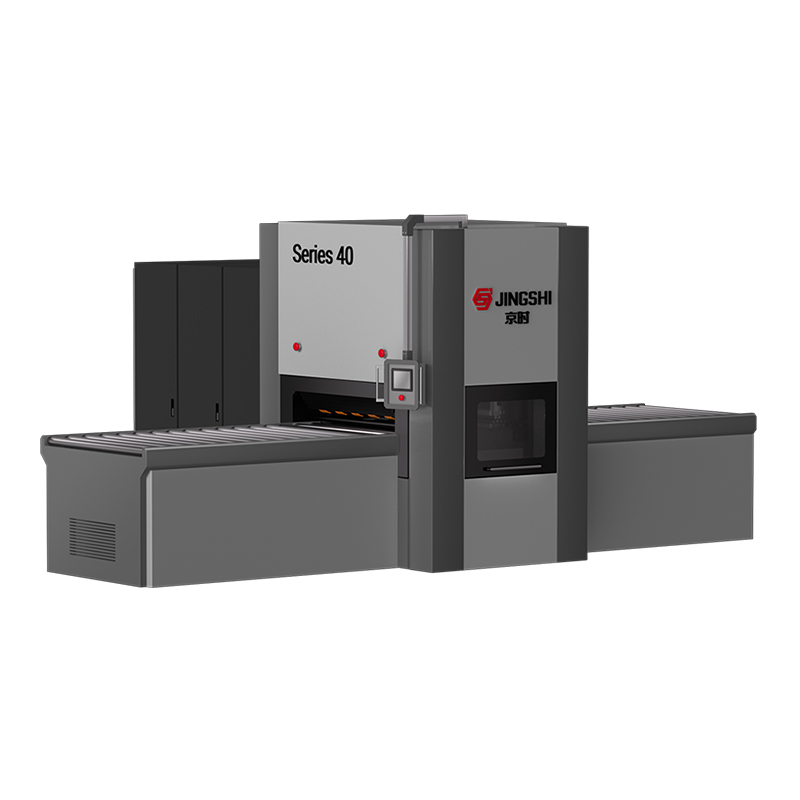
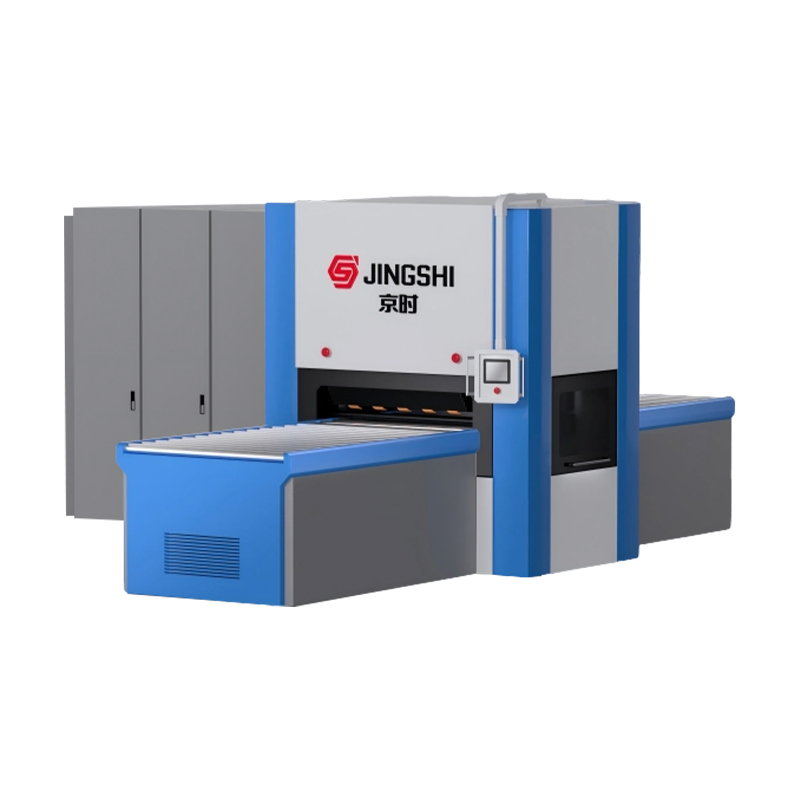
40 Series Heavy-Duty Hydraulic Precision Leveling Machine
Facing deformation in engineering machinery parts or automotive chassis? Our 40 Series Hydraulic Leveler corrects 0.6-4mm metal sheets with ±0.01mm accuracy. Explore robust rigidity & intelligent control.
- Specification
- About JINGSHI
- Contact Us
| Width of standard series | 600 | 900 | 1000 | 1300 | 1600 | 1900 | 2100 |
| Diameter of leveling roller | 40 | 40 | 40 | 40 | 40 | 40 | 40 |
| Number of leveling rollers | 23 | 23 | 23 | 23 | 23 | 23 | 23 |
| The shortest workpiece length for flattening Lmin (mm) | Lmin=80 | Lmin=80 | Lmin=80 | Lmin=80 | Lmin=80 | Lmin=80 | Lmin=80 |
| Nominal thickness of leveling material T (mm) | 0.6-4.0 | 0.6-4.0 | 0.6-4.0 | 0.6-4.0 | 0.6-4.0 | 0.6-4.0 | 0.6-4.0 |
| Maximum thickness of flattening material Tmax (mm) | Tmax=8 | Tmax=8 | Tmax=8 | Tmax=8 | Tmax=8 | Tmax=8 | Tmax=8 |
| Leveling accuracy | The parameters are calculated according to the material Q235/yield strength 235MPa, and the length and width are detected within 1m | ||||||
| 0.01-0.05mm | 0.01-0.05mm | 0.01-0.05mm | 0.01-0.05mm | 0.01-0.05mm | 0.01-0.05mm | 0.01-0.05mm | |
| Straightening line speed (m/min) | Speed adjustable at 1-10m/min | ||||||
| voltage | AC three-phase 380V | ||||||
| Optional Accessories | 1. Pulling out the flattening roller downwards (convenient for roller quick change and surface cleaning) | 4. Four/six times leveling roller | 7. Number of leveling rollers | ||||
| 2. Pulling out the leveling roller (convenient for roller quick change and surface cleaning) | 5. Automatic loading/unloading manipulator/palletizing robot | 8. Uncoiler - Hydraulic/Mechanical Cutting Line | |||||
| 3. Pulling out the roller up and down (convenient for roller quick change and surface cleaning) | 6. Feeding and discharging roller assembly line: with/without power | 9. Uncoiler - laser cutting blanking line | |||||
| Customized requirements | Customer customization requirements are acceptable | ||||||
| Remarks | Straighten the pressing gap of materials, input relevant parameters through the touch screen, and the equipment will automatically adjust. | ||||||
Technical Deep Dive
Why the 40 Series Excels in Heavy-Duty Applications
Unlike standard leveling machines, the 40 Series is engineered to combat the "springback" effect common in high-tensile strength alloys. The core of its performance lies in the HRC60-64 hardened rollers, which provide exceptional wear resistance.
While standard rollers may deform over time when processing high-strength materials, our rollers ensure consistent precision and a significantly extended lifespan, even in 24/7 production environments.
Deep Technical Dive
1. High-Output Hydraulic System
Detail: Operating pressure range of 1.2–2.0 Mpa.
Why it matters: When leveling thick steel plates, materials generate immense reactive force. The powerful hydraulic system provides constant and overwhelming pressure to overcome this resistance, ensuring that even the most stubborn warping deformation after rolling or flame cutting is permanently corrected.
2. HRC60-64 Hardened Rollers
Detail: Rollers hardened to HRC 60-64.
Why it matters: This extreme wear resistance prevents roller deformation under sustained load, maintaining consistent precision even in round-the-clock industrial environments where standard rollers would gradually fail.
3. ≥13 Roller Precision Leveling Mechanism
Detail: Minimum 13-roller arrangement for alternating directional bending.
Why it matters: By repeatedly bending the material in alternating directions, the mechanism effectively eliminates internal residual stresses rather than just superficially pressing the plate flat—ensuring a lasting correction at the structural level.
Application Scenarios: Solving Pain Points in Key Industries
Engineering Machinery Structural Parts: In the fabrication of excavators, cranes, and heavy equipment, un-leveled plates cause massive cumulative errors during welding. The 40 Series eliminates stress at the blanking stage, ensuring that complex structural parts fit perfectly and drastically reducing rework costs.
Automotive Chassis & Frames: Even a 0.1mm deviation in chassis components can lead to safety issues and assembly failures. Our machine ensures that high-strength steel used in chassis frames meets strict tolerance requirements before stamping or welding—making it the trusted choice for automotive manufacturers who demand absolute flatness.
Machine Tool Bed Components: The precision of a machine tool depends on the flatness of its bed. Micro-deformations in the raw plate can compromise the installation of guide rails. With a leveling accuracy of ≤±0.01mm, the 40 Series provides the ultra-flat foundation required for high-end machine tool manufacturing.
Intelligent Operation & Maintenance Guide
To maximize the efficiency of the 40 Series, operators should leverage its graded pressure adjustment function. This feature allows for quick adaptation to different material properties—for instance, switching from standard Q235 steel to high-strength alloy plates requires precise pressure tuning to avoid over-bending or under-leveling.
Safety and longevity are built into the system. The intelligent temperature control system prevents the hydraulic system from overheating during continuous batch processing. Additionally, the plate deviation detection and overload protection mechanisms act as a safety net—if a plate is fed incorrectly or the material hardness exceeds the set limit, the machine will automatically alert the operator or halt operation to prevent damage to the rollers and drive system.
FAQ
Q: What types of materials and thicknesses can the 40 Series Hydraulic Leveling Machine handle?
A: The 40 Series is specifically engineered for heavy-duty applications. It excels at leveling high-tensile strength materials, including hot and cold rolled steel plates, alloy plates, and structural parts. It is designed to process material thicknesses typically ranging from 0.6mm to 4mm (depending on the specific material's yield strength), with a maximum working width of up to 1600mm. Its robust hydraulic system ensures effective correction even for materials prone to significant springback.
Q: Can this machine correct warped parts after laser or plasma cutting?
A: Absolutely. Thermal cutting processes like laser and plasma cutting often introduce significant heat, leading to warping and deformation in metal plates. The 40 Series' powerful 1.2-2.0 Mpa hydraulic system provides the necessary force to flatten these thermally distorted parts. This makes it an essential piece of equipment for engineering machinery and structural part manufacturers who require perfectly flat components post-cutting.
Q: Is the machine difficult to operate for different material specifications?
A: Not at all. The 40 Series is designed with user-friendly intelligent controls. It features a graded pressure adjustment function, allowing operators to easily set the optimal pressure for different material thicknesses and hardness levels (e.g., switching from mild steel to high-strength alloy). Additionally, the digital control system allows for precise gap adjustments, making changeovers between different job specifications quick and straightforward.
Q: What safety features are included to protect both the operator and the machine?
A: Safety is a top priority in the design of the 40 Series. It comes equipped with plate deviation detection to prevent misfeeding and overload protection to safeguard the hydraulic system and rollers from damage if the material exceeds the machine's capacity. Furthermore, the intelligent temperature control system prevents the hydraulic unit from overheating during continuous 24/7 industrial operations, ensuring long-term reliability and operator safety.
Founded in 2016, Suzhou JingShi Intelligent Equipment Co., Ltd. is an integrated high-tech enterprise combining research, manufacturing, and trade. Hydraulic Steel Plate Leveling Machine Manufacturers and Plate Leveling Machine Suppliers. We focus on deliver high precision, efficiency, and stability to global manufacturers.
Our core team brings over a decade of expertise in metal forming and finishing, mastering system-level R&D from structural design to hydraulic control and automation integration. Steel Plate Leveling Machine Custom. We drive growth through technological innovation and continuous improvement.
Our core team brings over a decade of expertise in metal forming and finishing, mastering system-level R&D from structural design to hydraulic control and automation integration. Steel Plate Leveling Machine Custom. We drive growth through technological innovation and continuous improvement.
Recommended Products
-
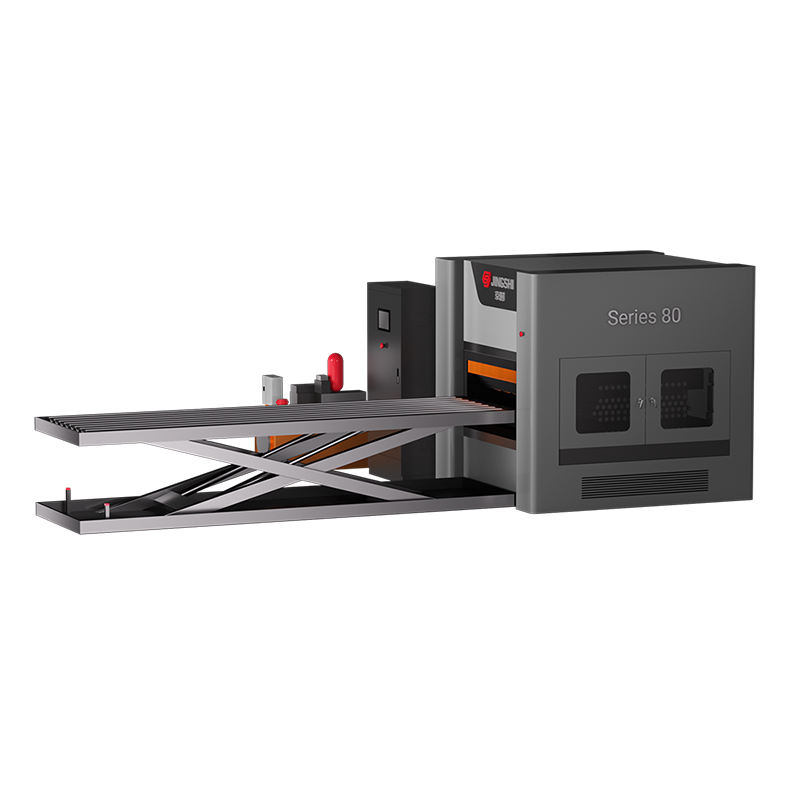

80 Series Heavy-Duty Plate Hydraulic Ultra-Precision Leveling Machine
-
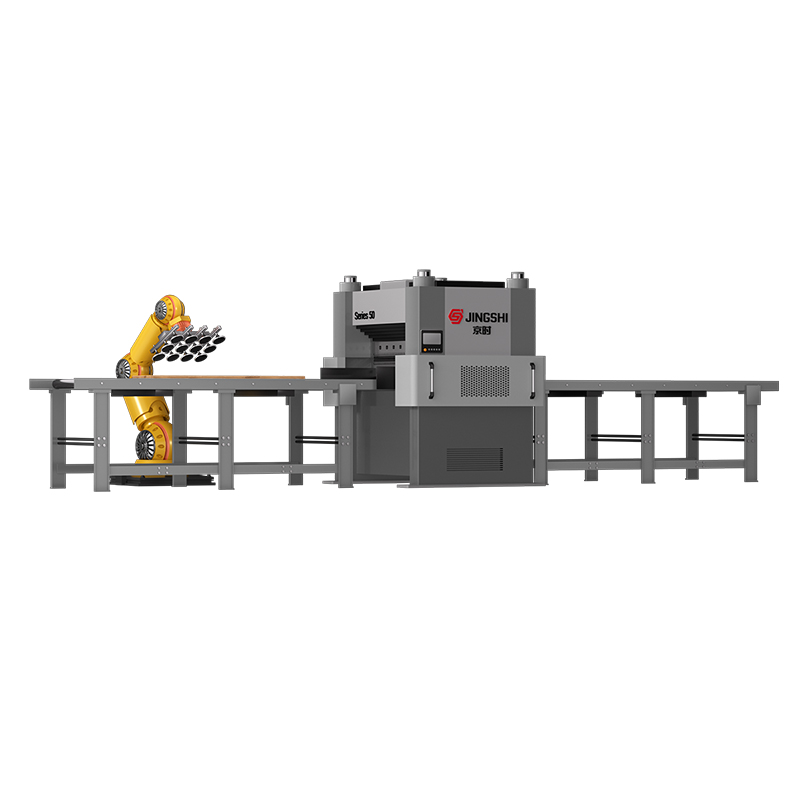
50 Series Four-Column Hydraulic Intelligent Precision Leveling Machine
-
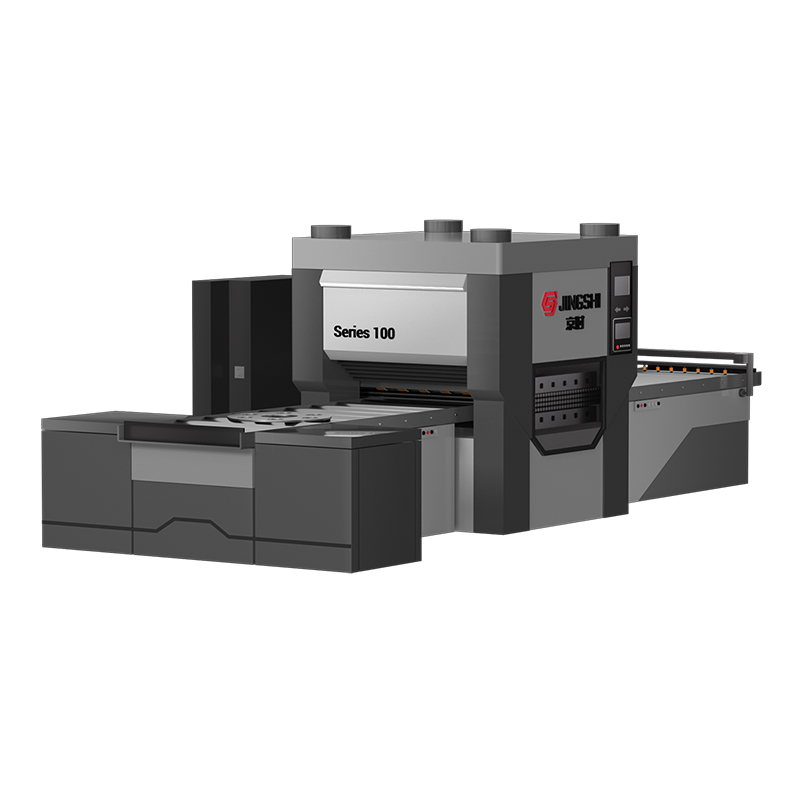
100 Series Large Workpiece Hydraulic Precision Leveling Machine
-
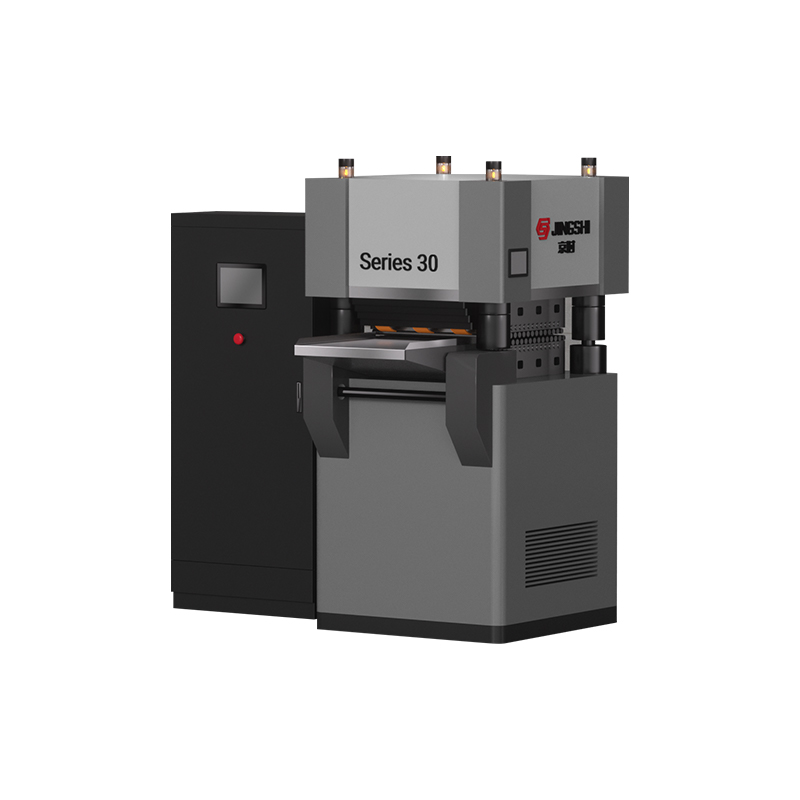
30 Series Thin Plate Hydraulic Servo Precision Leveling Machine
-
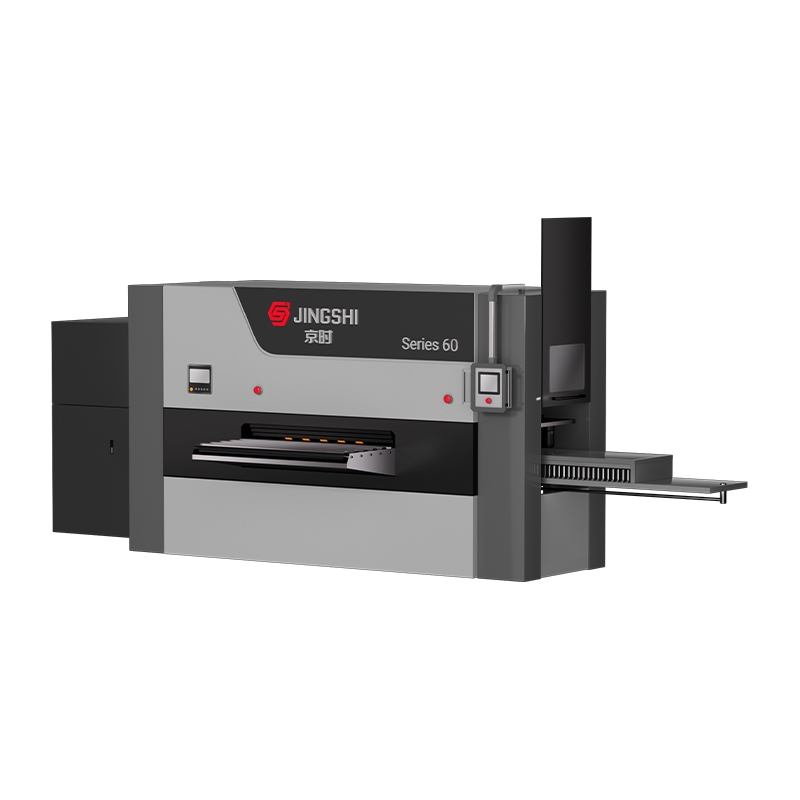
60 Series Thick Plate High-Efficiency Hydraulic Leveling Machine
-
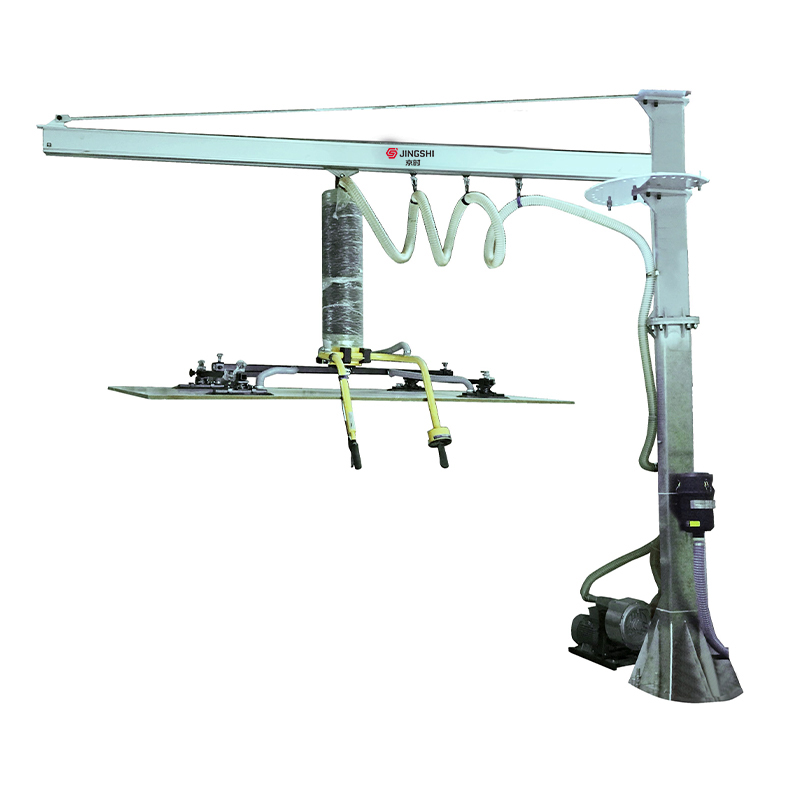
Fixed Suction Cup Lifting Machine
JingShi Intelligent
Technology Leads, Precision Craftsmanship
JingShi Intelligent boasts a strong R&D team comprising mechanical designers, hydraulic engineers, and automation experts, capable of end-to-end system development from structural design to full line control. We are China Hydraulic Steel Plate Leveling Machine Suppliers. With a manufacturing area of 2,557.97 m² and advanced assembly and inspection facilities, we operate under strict quality management standards.
Each machine undergoes comprehensive testing — including flatness precision, load performance, and noise assessment — to ensure long-term stability and reliability that meets international requirements.
Each machine undergoes comprehensive testing — including flatness precision, load performance, and noise assessment — to ensure long-term stability and reliability that meets international requirements.
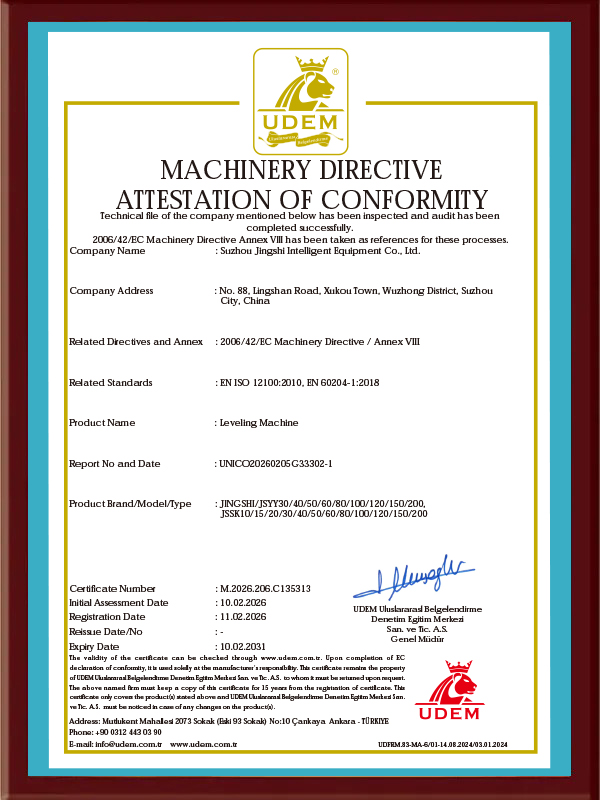
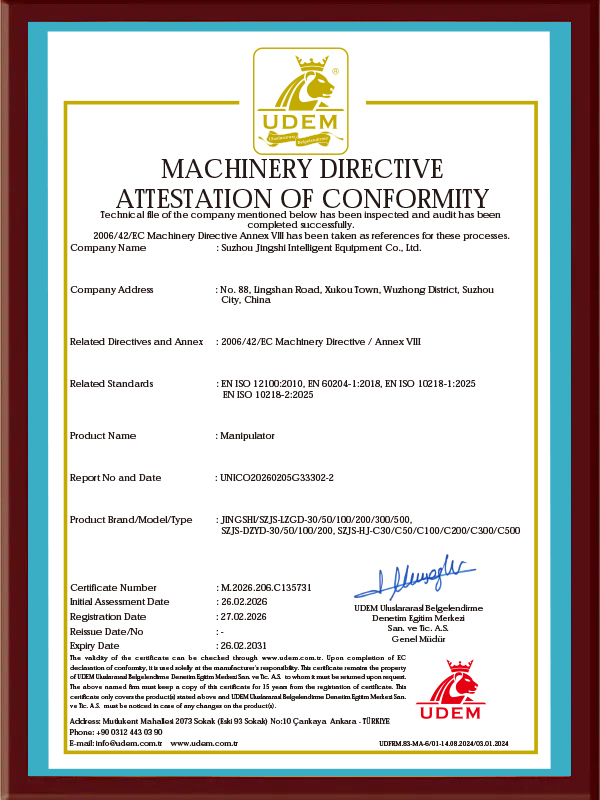
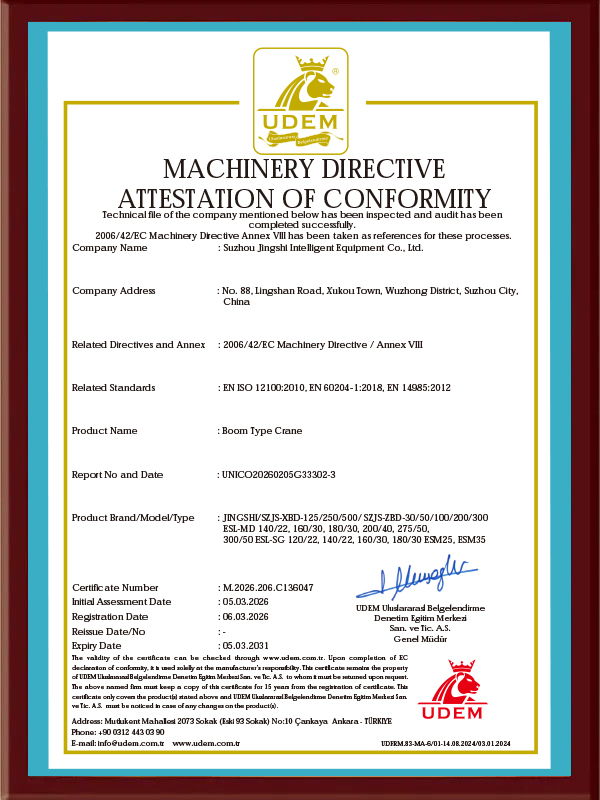
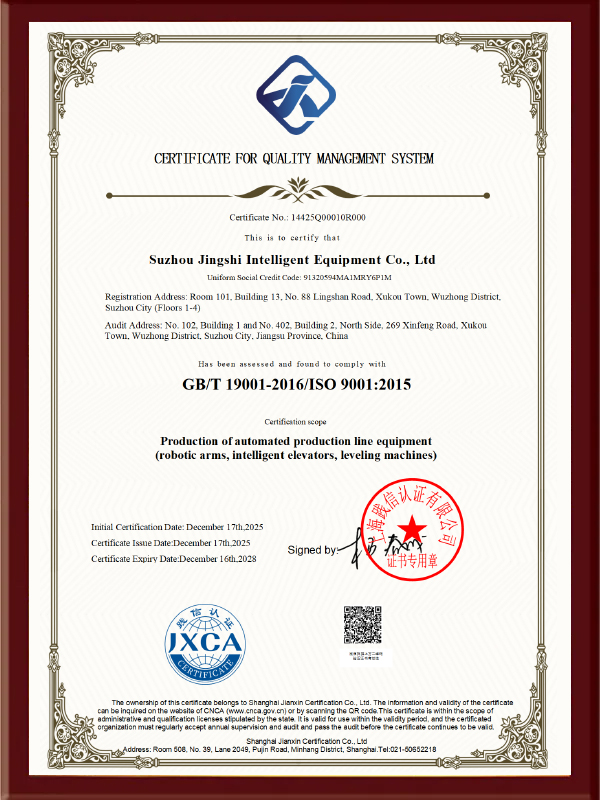
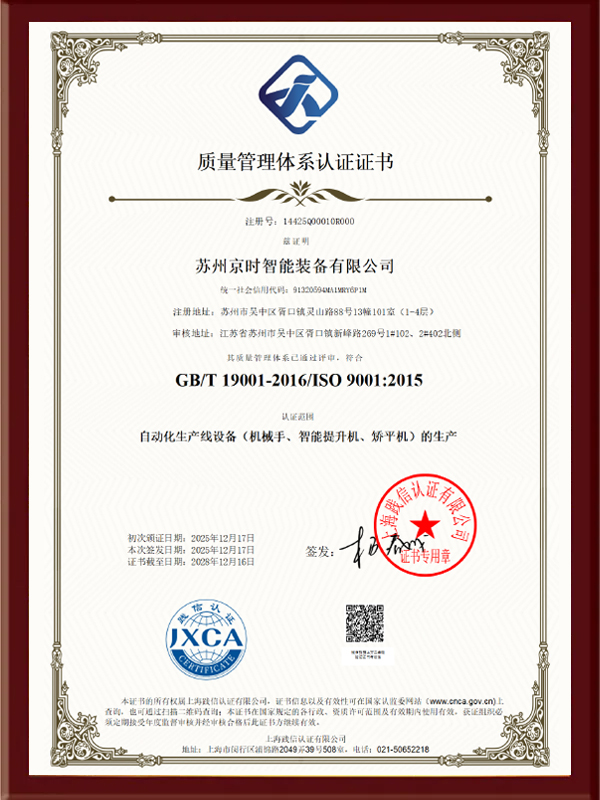
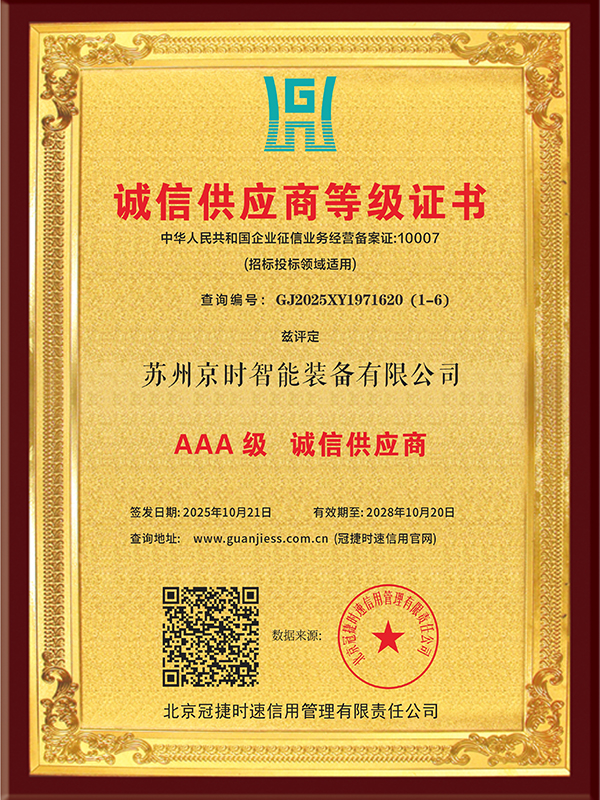
Certificate Of Honor
Stay Connected, Insights & Innovation from JingShi
-

 Industry News
 2026.10.10
Walk through almost any metal fabrication shop and you will hear the same conversation. A new part shape arrives, the die has to be recut, and the pr...
2026.10.10
Walk through almost any metal fabrication shop and you will hear the same conversation. A new part shape arrives, the die has to be recut, and the pr... -
Industry News
2026.09.28
You press a suction cup against a tile, a windshield, or a polished steel panel, and it holds perfectly, until it does not. One morning the hook is o...
-
Industry News
2026.09.21
A vacuum cup is a flexible gripper that holds a workpiece by pulling instead of squeezing. Press the cup against a surface, draw the air out of the s...
-
Industry News
2026.09.18
Metal processing automation is usually described as a robotics story, but anyone who has spent a full shift beside a coil line knows that is only hal...
Contact us
-

-

+ 86 - 4008006155 / + 86 - 512-66064950
-

+ 86 - 13732649503
-

+ 86 - 512-66510623
-

88 Lingshan Road, Xukou Town, Wuzhong District, Suzhou City, Jiangsu Province, China

Copyright © 2025 by Suzhou JingShi Intelligent Equipment Co., Ltd. Rights Reserved. Custom Steel Plate Leveling Machine Manufacturers
