 English
 русский
 Español
 عربى
JingShi
JingShi
JingShi
JingShi
JingShi
JingShi
JingShi
JingShi
JingShi
Content
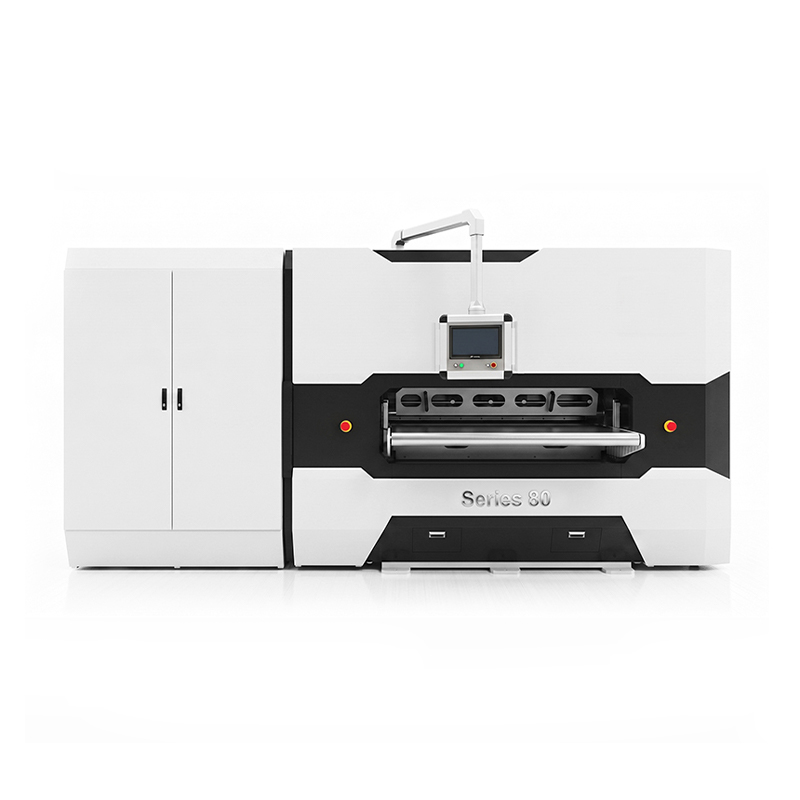
Rail transit car body outer panels are judged almost like automotive outer panels: any wave, roller mark or local dent shows under light. The material makes that hard, because stainless steel and aluminum alloy are sensitive to work hardening, so the leveling parameter window is narrow. We match the process to the material, thickness, initial deformation and target flatness, then use fine roll gap adjustment and a stable roller system to reduce work hardening and surface defects, with appearance parts validated on samples first. For this work we recommend our 30 Series precision leveler.
Why Car Body Outer Panels Leave Little Room for Error
Outer skin panels are the visible face of a rail vehicle, and they are made from stainless steel or aluminum alloy. Those materials respond to leveling in a way that ordinary carbon steel does not, and the appearance requirement leaves no margin for the result. Three conditions explain why the process is hard:
Work hardening changes the material
Stainless steel and aluminum alloy harden as they are deformed, so too much deformation in leveling changes how the sheet behaves in later forming.
The parameter window is narrow
Too little deformation leaves waves and too much hardens or distorts the sheet. The window between them is small and shifts with material, thickness and starting deformation.
Appearance is judged under light
Reflection exposes roller marks, local dents and waves that a flatness measurement would not flag on a large, smooth panel.
An appearance defect in an outer panel cannot be corrected once the panel is formed and welded into the car body. The panel is reworked or rejected, and because the material is expensive, the cost is high.
Judge outer panels by appearance under light as well as by flatness measurements, and agree on the viewing condition and the acceptance sample before production starts.
How We Match the Process to Stainless and Aluminum
Our approach is to find the working window for each material and hold the process inside it. Four steps make that work in practice.
1
Match the Process to Material, Thickness and Target
We start from the alloy or stainless grade, the thickness, the initial deformation of the sheet and the target flatness. These set how much correction is needed and how much deformation the material tolerates before it hardens. Our pre-sales team reviews your drawings or samples before a setting is proposed.
2
Make Fine Roll Gap Adjustments
On the 30 Series, hydraulic servo control gives real-time pressure feedback, and the roll gap is set digitally from the touch screen. Within a narrow window, small gap changes matter, so we adjust in fine steps and level progressively with moderate deformation per bend, which limits work hardening.
3
Support the Sheet with a Stable Roller System
A stable roller system keeps the gap you set from drifting under load. The 30 Series uses 23 small rollers in a dense layout, and optional roller pull-out structures make cleaning and roller changes quicker. For stainless steel and aluminum, roller material and surface treatment can be matched to the sheet to avoid marking.
4
Validate Appearance Parts on Samples First
For appearance parts, we recommend a sample trial before production. We offer sample testing and trial runs to validate flattening accuracy before purchase, and the useful checks are flatness, the surface under angled light, and how the leveled sample behaves in your forming step.
Which JingShi Leveler Fits Car Body Outer Panels
For stainless steel and aluminum outer panels we recommend the 30 Series, with its key figures below.
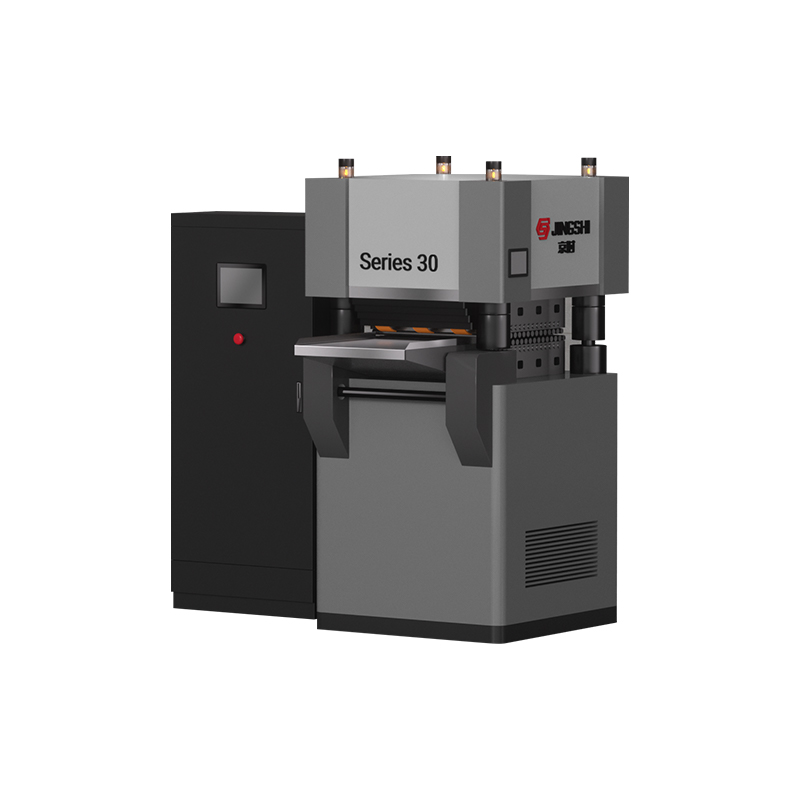 Recommended model 30 Series Thin Plate Hydraulic Servo Precision Leveling Machine Hydraulic servo leveling for thin sheet from 0.5 to 3.0 mm, with fine digital roll gap control, saved recipes and optional roller pull-out for cleaning. View product details →
0.5-3.0 mmNominal thickness (max 5 mm)
600-2100 mmStandard widths
23 rollers30 mm diameter each
1-10 m/minAdjustable line speed
0.01-0.05 mmAccuracy on Q235, within 1 m
The accuracy figure is measured on Q235 reference material (235 MPa yield strength). Stainless steel and aluminum alloy behave differently, which is why we confirm the settings and the surface result on your own samples before you decide.
| Requirement | Recommended configuration | Why it fits |
|---|---|---|
| Narrow parameter window | Hydraulic servo control with real-time pressure feedback and a digital roll gap | Allows small, repeatable adjustments inside a narrow range |
| Limit work hardening | 23 small-diameter rollers, 30 mm each | Levels with many gentle bends instead of a few heavy ones |
| Appearance-grade surface | Optional roller pull-out, with roller material and surface treatment matched to the sheet | Keeps rollers clean and quick to change, so marks are not printed onto the panel |
| Switching between stainless steel and aluminum | Touch-screen parameter input with saved recipes | Recalls a verified setting for each material and thickness |
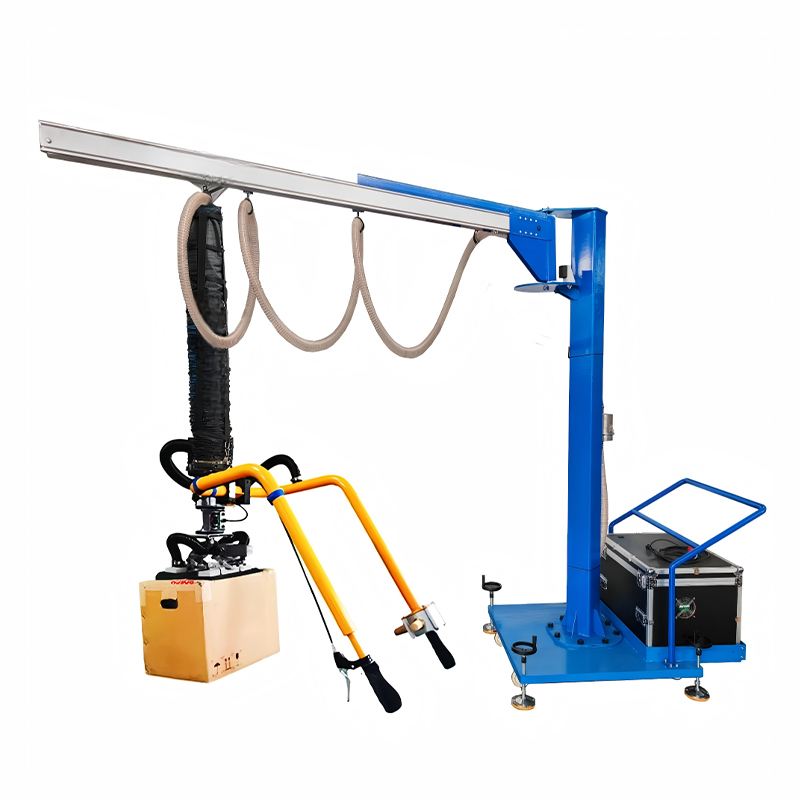
| Large panels handled without marking | Optional loading/unloading manipulator, with powered feed and discharge conveyors | Limits manual contact with the finished surface |
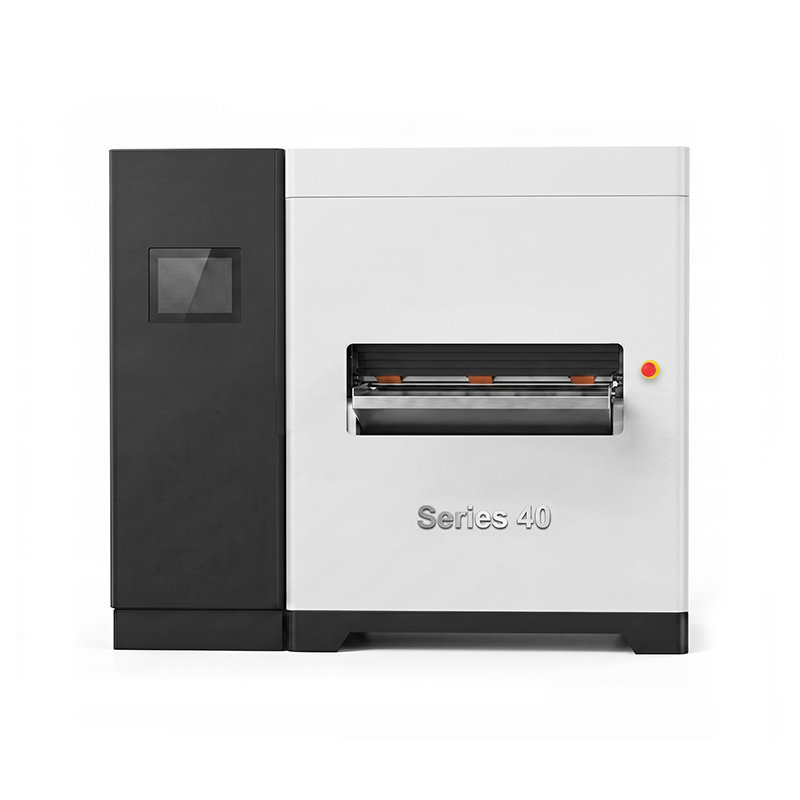
| Panels thicker than 3.0 mm | 40 Series (nominal 0.6 to 4.0 mm, max 8 mm) | More load capacity for thicker outer or structural panels |
For thicker panels, see our 40 Series Heavy-Duty Hydraulic Precision Leveling Machine. Other width and thickness combinations are covered by our wider hydraulic leveling machine range.
What helps us propose the right configuration
- Material: stainless steel grade or aluminum alloy and temper
- Thickness range, width and length, or coil size
- The deformation you see in the incoming sheet
- Target flatness and the appearance standard, including how it is inspected
- Whether surface marks of any kind are acceptable
- The forming and welding process that follows
- Required output