 English
 русский
 Español
 عربى
عربى
JingShi
JingShi
JingShi
JingShi
JingShi
JingShi
JingShi
JingShi
JingShi
Content
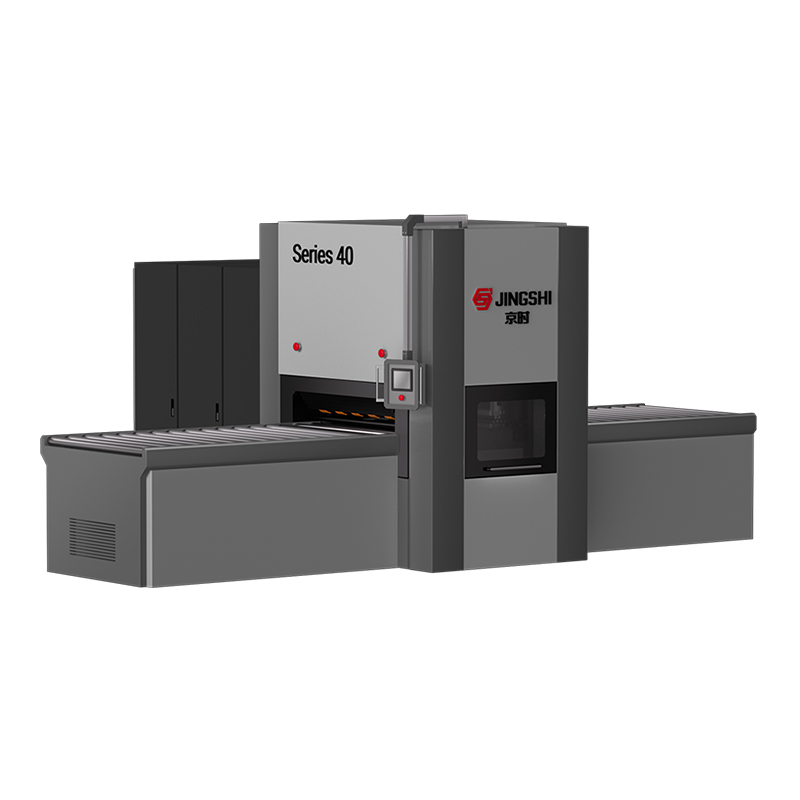
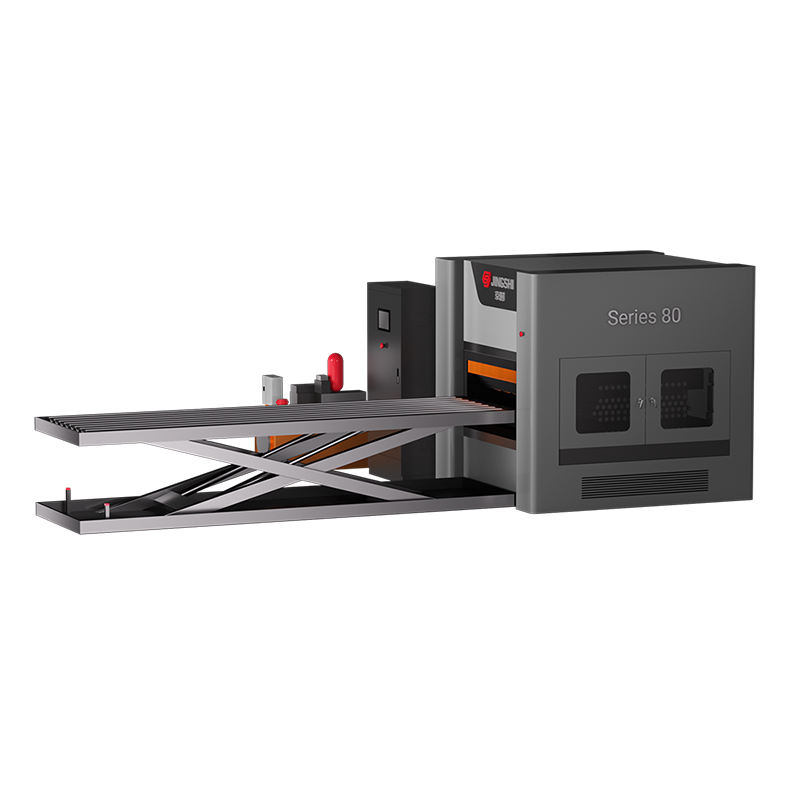
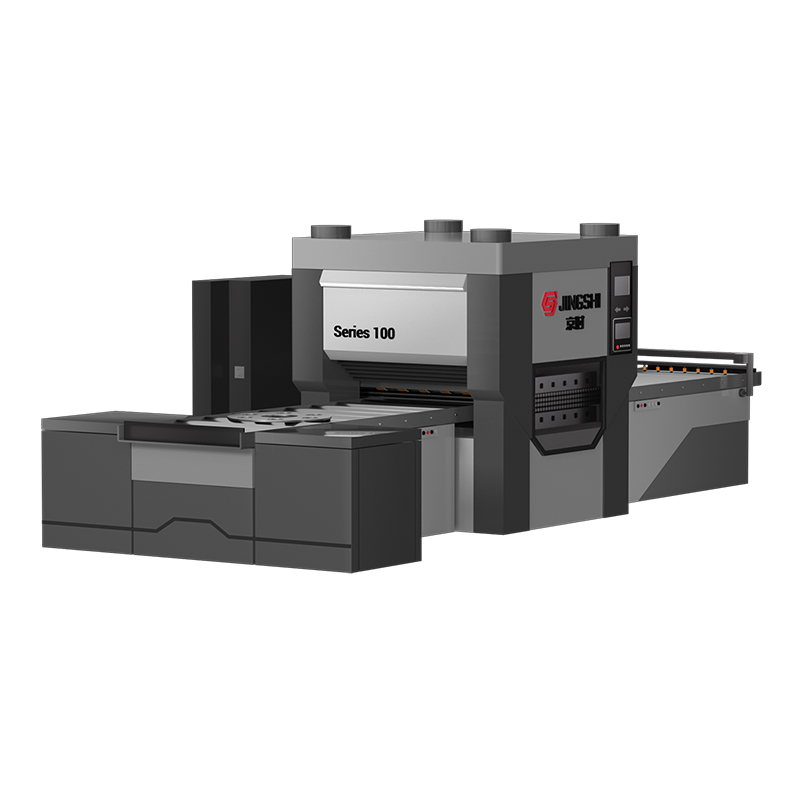
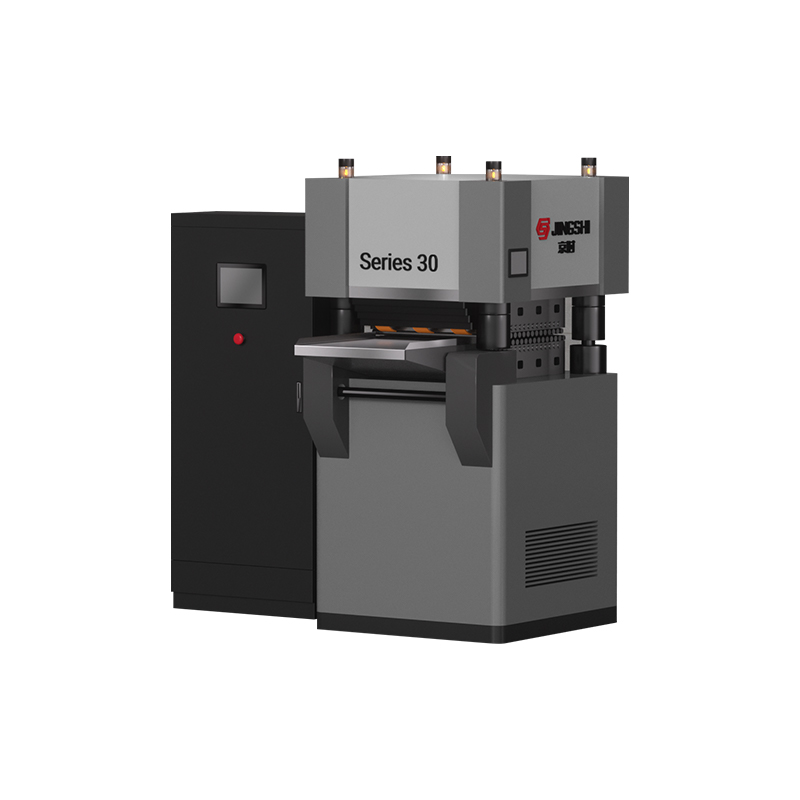
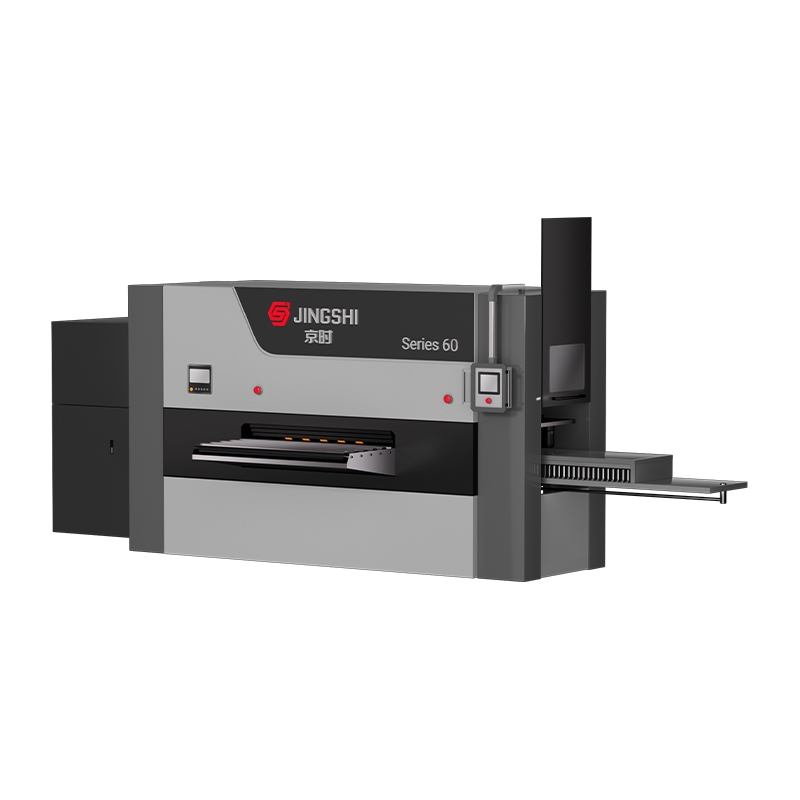
A leveler, also known as a leveling machine or roller leveler, is an industrial machine designed to flatten metal coils, sheets, and plates by eliminating internal stresses, warping, and surface irregularities. The machine works by passing metal through a series of offset rollers that apply controlled bending forces, permanently deforming the material to achieve a flat, stress-free surface. Levelers are essential equipment in metal processing facilities, steel service centers, and manufacturing plants where flat metal is critical for subsequent operations like stamping, laser cutting, or welding.
How Leveling Machines Work
The leveling process relies on the principle of plastic deformation. When metal passes through a leveler, it encounters multiple rollers arranged in a staggered pattern—alternating top and bottom rollers create a series of reverse bends. Each bend exceeds the material's yield strength, causing permanent deformation that neutralizes internal stresses.
The Roller Configuration
A typical precision leveler contains between 9 and 21 rollers, though heavy-duty models may have more. The entry rollers apply aggressive bending with larger gaps, while exit rollers use progressively smaller gaps to produce finer corrections. This gradual reduction in bending intensity ensures the material exits with minimal residual stress and maximum flatness.
Adjustment Mechanisms
Modern levelers feature hydraulic or electric adjustment systems that control roller penetration depth. Operators can modify settings based on material thickness, hardness, and initial flatness. Advanced models include automatic gauging systems that measure incoming material and adjust roller positions in real-time, achieving flatness tolerances of ±0.5mm per meter or better.
Types of Leveling Machines
Roller Levelers
Roller levelers are the most common type, suitable for processing coils and sheets from 0.3mm to 25mm thickness. They handle various materials including cold-rolled steel, stainless steel, aluminum, and copper alloys. Production lines often integrate roller levelers with slitting, cut-to-length, or blanking equipment.
Stretcher Levelers
Stretcher levelers grip material at both ends and apply longitudinal tension, typically 1-3% elongation, to eliminate waviness and coil set. This process works particularly well for thin gauge materials under 3mm where roller leveling might cause surface marking. Stretcher levelers excel at removing edge wave and center buckle defects common in cold-rolled coils.
Plate Levelers
Designed for thick plates from 6mm to 200mm, plate levelers use fewer but larger diameter rollers and higher bending forces. These machines process structural steel plates, shipbuilding materials, and heavy fabrication stock where precision flatness is critical for welding and assembly operations.
Key Components and Design Features
| Component | Function | Material/Specification |
|---|---|---|
| Work Rollers | Apply bending forces to material | Hardened steel, 60-65 HRC, chrome-plated |
| Backup Rollers | Support work rollers against deflection | Forged steel, larger diameter than work rollers |
| Hydraulic System | Adjusts roller positions and pressure | Operating pressure 150-250 bar |
| Entry/Exit Tables | Guide and support material | Roller or brush tables to prevent marking |
| Control System | Manages parameters and automation | PLC-based with HMI touchscreen |
The frame construction must withstand leveling forces that can exceed 1000 tons in heavy-duty applications. Manufacturers typically use welded steel frames with precision-machined bearing housings to maintain roller alignment under load. Frame stiffness directly impacts leveling accuracy, as deflection causes variations in roller penetration across the material width.
Industrial Applications
Automotive Manufacturing
Automotive stamping plants require exceptionally flat steel blanks to prevent wrinkling, tearing, and dimensional errors during forming operations. Leveling machines process high-strength steel grades up to 1500 MPa tensile strength for body panels, structural components, and chassis parts. The leveling step typically occurs after slitting and before blanking or stamping.
Appliance Industry
Manufacturers of refrigerators, washing machines, and HVAC equipment use leveled steel and stainless steel sheets for exterior panels and internal components. Flatness requirements range from ±1mm to ±3mm per meter depending on the application, with cosmetic surfaces demanding tighter tolerances.
Metal Service Centers
Service centers process coils from steel mills into flat sheets for distribution to fabricators. A typical service center may operate multiple levelers handling different thickness ranges and material types, processing 50-200 tons per day depending on equipment capacity and customer demand.
Laser Cutting and Fabrication
Laser cutting systems require extremely flat material to maintain consistent focal distance and cutting quality. Unlevel sheets cause focus variations that produce tapered edges and dimensional errors. Fabricators processing material for laser cutting specify flatness tolerances of ±0.5mm or better to ensure optimal cutting performance.
Leveling Process Parameters
Achieving optimal leveling results requires careful control of several parameters that interact to determine final flatness quality:
- Entry Penetration: Determines initial bending severity, typically set to 150-200% of material thickness for the first roller pair
- Exit Penetration: Controls final straightening, usually 20-50% of material thickness for the last roller pair
- Line Speed: Production rates range from 10-120 meters per minute depending on material specifications and required flatness
- Backup Roll Pressure: Prevents work roll deflection and ensures consistent penetration across material width
- Temperature Considerations: Material temperature affects yield strength; cold material requires higher forces than material at 50-100°C
Operators develop leveling recipes for different material combinations, storing parameters in the control system for quick setup changes. A well-maintained leveler with optimized settings can achieve repeatability within ±0.2mm for identical material batches.
Common Defects Corrected by Leveling
Coil Set
Coil set refers to the curvature retained from being wound into a coil. The outer wrap of a coil has tensile stress while the inner wrap has compressive stress, creating persistent curvature when uncoiled. Levelers apply alternating bends that exceed the yield strength, permanently straightening the material and eliminating this memory.
Edge Wave and Center Buckle
These defects occur when the edges elongate more than the center (edge wave) or the center elongates more than the edges (center buckle) during rolling operations. The differential elongation creates compressive stresses that manifest as waviness. Leveling redistributes these stresses through controlled plastic deformation, flattening the sheet.
Camber and Bow
Camber (sideways curvature) and bow (lengthwise curvature) result from uneven rolling conditions or cooling rates. While severe camber may require additional straightening equipment, moderate bow typically responds well to leveling. Machines with individual hydraulic adjustment on each side can compensate for camber by applying differential pressure.
Crossbow and Twist
Crossbow (transverse curvature) and twist defects are more challenging to correct. Heavy-duty levelers with closely spaced rollers can address crossbow effectively, while twist often requires specialized equipment or may indicate problems in upstream processing that should be corrected at the source.
Maintenance and Performance Considerations
Proper maintenance ensures consistent leveling quality and extends equipment life. Critical maintenance activities include:
- Roller Inspection: Work rollers should be inspected every 3-6 months for wear, pitting, and surface damage. Minor surface defects transfer to the processed material as marking or scratching.
- Roller Grinding: When surface wear or damage becomes significant, rollers require grinding to restore proper geometry. Most rollers can be reground 3-5 times before replacement becomes necessary.
- Bearing Maintenance: Roller bearings require regular lubrication and monitoring for temperature and vibration. Bearing failure causes roller misalignment and poor leveling results.
- Hydraulic System Service: Regular oil changes, filter replacements, and seal inspections prevent contamination and pressure losses that affect leveling consistency.
- Calibration: Periodic verification of roller positions, pressure sensors, and measurement systems ensures the control system maintains accurate settings.
A comprehensive preventive maintenance program can extend leveler service life beyond 20-30 years while maintaining original performance specifications. Facilities that neglect maintenance typically experience declining flatness quality, increased roller wear, and higher operating costs from unplanned downtime.
Selection Criteria for Leveling Equipment
Choosing the appropriate leveler requires evaluating several factors that affect both initial investment and long-term operating costs:
Material Specifications
The thickness range, width capacity, and material strength determine basic machine requirements. A facility processing 0.5-6mm carbon steel needs different equipment than one handling 10-50mm stainless steel plates. Material yield strength directly affects required roller forces and backup support systems.
Flatness Requirements
Applications demanding ±0.5mm flatness require precision levelers with numerous closely-spaced rollers and advanced control systems. Less critical applications accepting ±2-3mm flatness can use simpler, more economical designs. The flatness requirement drives both equipment cost and operating complexity.
Production Volume
High-volume operations justify investment in automated coil handling, quick-change tooling, and high-speed processing capabilities. Facilities processing less than 500 tons monthly may achieve better economics with simpler equipment and manual setup procedures.
Integration Requirements
Levelers often operate within processing lines alongside decoilers, straighteners, slitters, and cut-to-length shears. The leveler must match line speed capabilities and integrate with upstream and downstream equipment controls. Stand-alone levelers for job shop applications need different features than inline production systems.