
 English
 русский
 Español
 عربى
JingShi
JingShi
JingShi
JingShi
JingShi
JingShi
JingShi
JingShi
JingShi
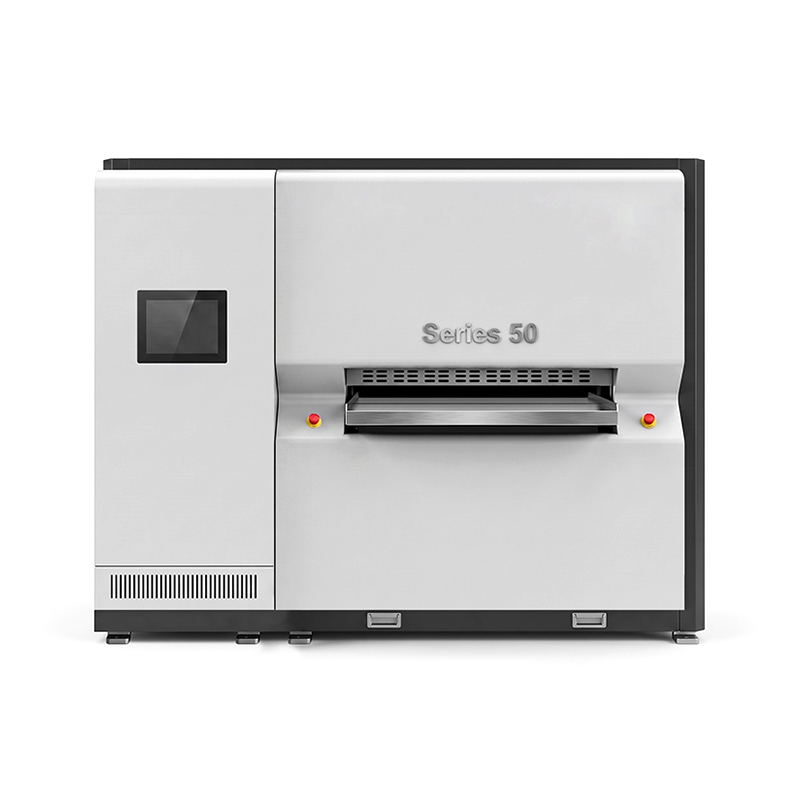
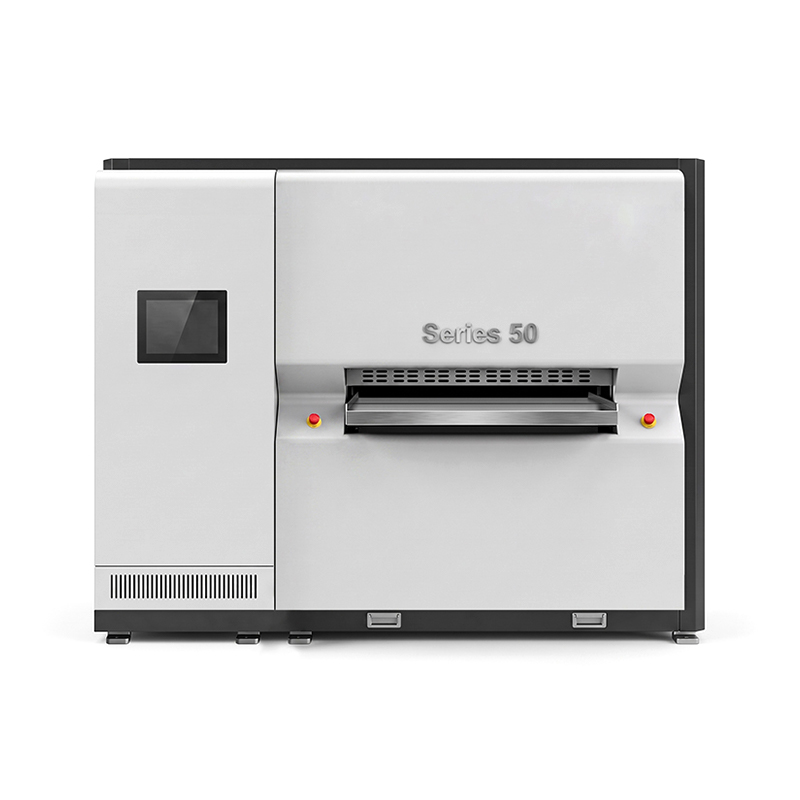
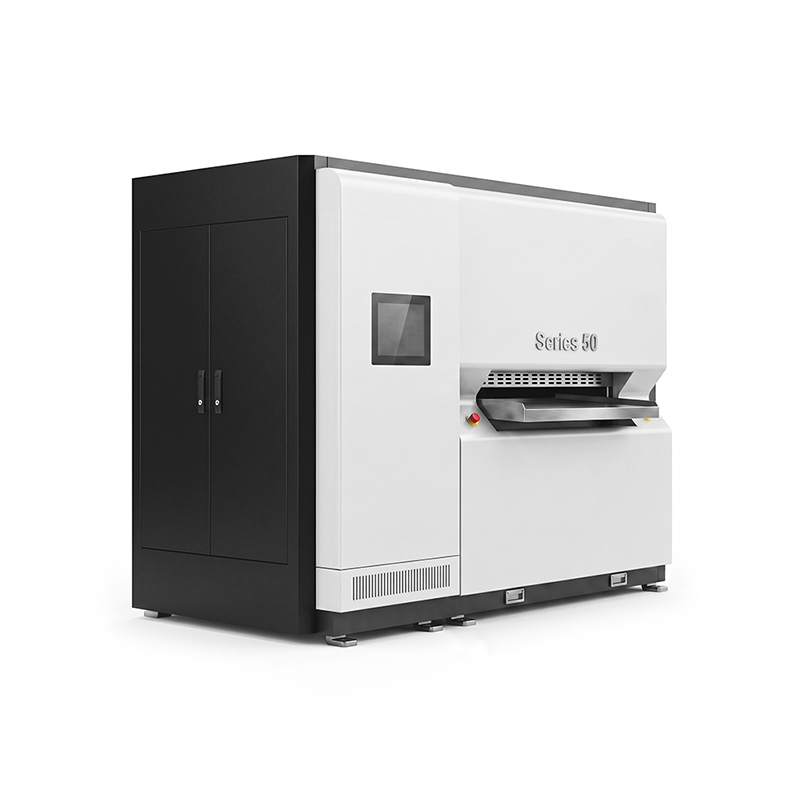
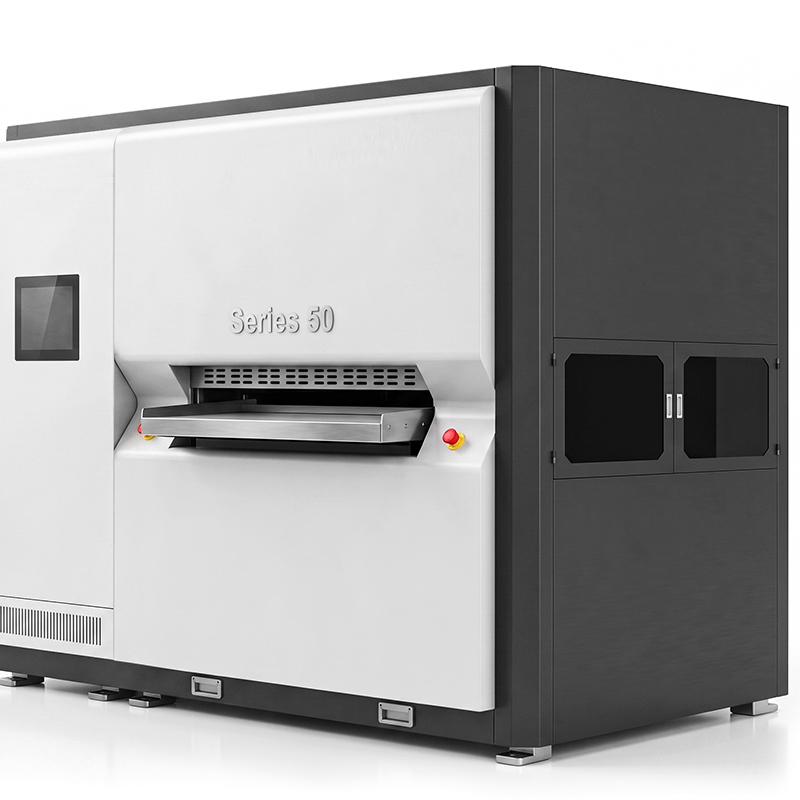
50 Series Heavy-Duty Thick Plate CNC Leveling Machine
Handle thicker, high-strength plate with a heavy-duty CNC precision leveler built for heavy machinery, shipbuilding components and large-scale structural steel fabrication.
The Model 50 Series from Suzhou Jingshi Intelligent Equipment uses 19 leveling rolls, each 50mm in diameter, and is available in standard working widths of 400, 600, 1000, 1300, 1600, 1900 and 2100mm. It handles materials with a rated thickness of 0.8-4.0mm (maximum 8.0mm), reaches a leveling accuracy of ≤0.2mm, and runs at an adjustable line speed of 1-10 m/min.
The CNC system sets the roll gap automatically from the parameters you enter on the touchscreen, and saved parameter sets can be recalled for repeat orders. Optional configurations include four/six times leveling rollers, loading/unloading manipulators or palletizing robots, powered or unpowered feeding and discharging roller lines, and uncoiler lines with hydraulic/mechanical cutting or laser cutting blanking.
Send us your material type, thickness, working width and production requirements to receive a recommended configuration and quotation.
- Specification
- About JINGSHI
- Contact Us
| Width of standard series | 400 | 600 | 1000 | 1300 | 1600 | 1900 | 2100 |
| Diameter of leveling roller | 50 | 50 | 50 | 50 | 50 | 50 | 50 |
| Number of leveling rollers | 19 | 19 | 19 | 19 | 19 | 19 | 19 |
| The shortest workpiece length for flattening Lmin (mm) | Lmin=100 | Lmin=100 | Lmin=100 | Lmin=100 | Lmin=100 | Lmin=100 | Lmin=100 |
| Nominal thickness of leveling material T (mm) | 0.8-4.0 | 0.8-4.0 | 0.8-4.0 | 0.8-4.0 | 0.8-4.0 | 0.8-4.0 | 0.8-4.0 |
| Maximum thickness of flattening material Tmax (mm) | Tmax=8 | Tmax=8 | Tmax=8 | Tmax=8 | Tmax=8 | Tmax=8 | Tmax=8 |
| Leveling accuracy | The parameters are calculated according to the material Q235/yield strength 235MPa, and the length and width are detected within 1m | ||||||
| ≤0.2mm | ≤0.2mm | ≤0.2mm | ≤0.2mm | ≤0.2mm | ≤0.2mm | ≤0.2mm | |
| Straightening line speed (m/min) | Speed adjustable at 1-10m/min | ||||||
| Voltage | AC three-phase 380V | ||||||
| Optional Accessories | 1.Four/six times leveling roller | 3.Feeding and discharging roller assembly line: with/without power | 5.Uncoiler - Hydraulic/Mechanical Cutting Line | ||||
| 2.Automatic loading/unloading manipulator/palletizing robot | 4.Number of leveling rollers | 6.Uncoiler - laser cutting blanking line | |||||
| Customized requirements | Customer customization requirements are acceptable | ||||||
| Remarks | Straighten the pressing gap of materials, input relevant parameters through the touch screen, and the equipment will automatically adjust. | ||||||
Before and After Leveling
Advantages
Thick, high-strength plate demands torque, rigidity and efficient setup. The Model 50 Series CNC Precision Leveler is built for these conditions, using 50mm rolls in a 19-roll heavy-duty layout and CNC control to keep output flat and production moving.
- Fast Setup Through Automation:Automatic roll gap setting greatly shortens changeover time between jobs. Adjustments that once relied on repeated manual trials can be completed in moments, which keeps the machine running longer and raises uptime.
- Repeatable Results from Saved Parameters:Once a parameter set is saved in the CNC system, it can be recalled instantly for repeat orders. This gives identical flatness every time, which matters in mass production where consistency is key.
- Less Material Waste:Manual leveling often relies on test-and-adjust methods that can scrap the leading edge of a coil. Precise digital control reduces this loss, so more of the raw material becomes saleable finished product.
- 19-Roll Heavy-Duty Layout:The Model 50 favors torque and structural rigidity over sheer roll count. Even at maximum thickness the material receives enough alternating bending to eliminate internal stress, coil set and crossbow, leaving a very flat sheet ready for laser cutting or welding without secondary operations.
- Heavy-Duty Construction for Lower Maintenance:Components are over-engineered for the 8.0mm maximum thickness, which limits premature wear and lowers maintenance costs over the life of the machine.
Applications
The Model 50 Series is aimed at industries that process thicker, high-strength metals, where flatness affects welding, assembly and structural integrity.
- Heavy Machinery Manufacturing:Handling material up to 8.0mm, it levels chassis components and support structures so they are flat before welding.
- Construction and Infrastructure:Used to level steel plates for bridge building and building frameworks, supporting structural integrity.
- Automotive and Trucking:Levels chassis rails and structural beams that exceed the capacity of standard light-duty levelers.
- Shipbuilding:Thick hull plates need accurate flattening so they can be assembled precisely.
- Steel Service Centers:With widths up to 2100mm, it suits service centers that process wide steel coils for distribution to heavy industries.
FAQ
-
Q: How does the machine handle different yield strengths at the same thickness?
A: The CNC system allows fine adjustment of leveling intensity. Two plates may both be 3.0mm thick, but high-tensile steel needs more aggressive leveling than mild steel. The operator can adjust the interference or bending ratio on the touchscreen to apply the force needed to yield that particular material, so flatness is achieved regardless of steel grade.
-
Q: Can it process aluminum or other non-ferrous metals?
A: Yes. The Model 50 can level non-ferrous metals such as aluminum, copper and brass. Their ductility and yield characteristics differ from steel, so the maximum thickness is lower. For example, while it handles 8.0mm steel, the maximum for aluminum is significantly less, which protects the rolls and keeps quality high.
-
Q: What maintenance does the 19-roll system need?
A: The system is built for durability but needs regular lubrication. Gearboxes and bearings have grease fittings for easy servicing. A wear-compensation design also lets the CNC system adjust for small changes in roll diameter as the rolls wear over years of use, maintaining leveling precision without immediate roll replacement.
Founded in 2016, Suzhou JingShi Intelligent Equipment Co., Ltd. is an integrated high-tech enterprise combining research, manufacturing, and trade. 50 Series Heavy-Duty Thick Plate CNC Leveling Machine Manufacturers and 50 Series Heavy-Duty Thick Plate CNC Leveling Machine Suppliers. We focus on deliver high precision, efficiency, and stability to global manufacturers.
Our core team brings over a decade of expertise in metal forming and finishing, mastering system-level R&D from structural design to hydraulic control and automation integration. 50 Series Heavy-Duty Thick Plate CNC Leveling Machine OEM/ODM Custom. We drive growth through technological innovation and continuous improvement.
Recommended Products
-
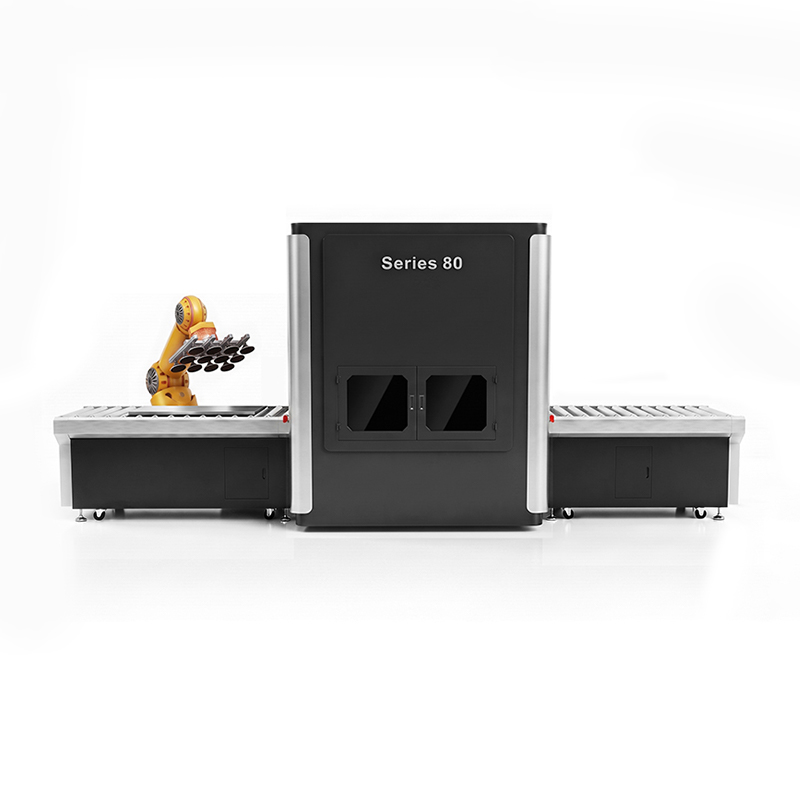

80 Series Heavy-Duty Medium-to-Heavy Plate CNC Leveling Machine
-
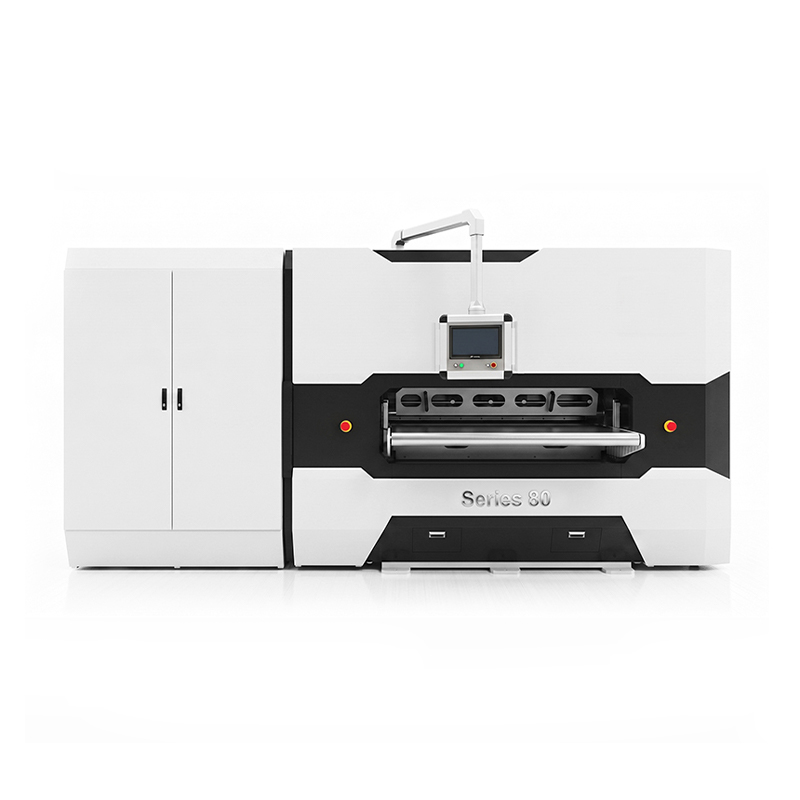
80 Series Heavy-Duty Plate Hydraulic Ultra-Precision Leveling Machine
-
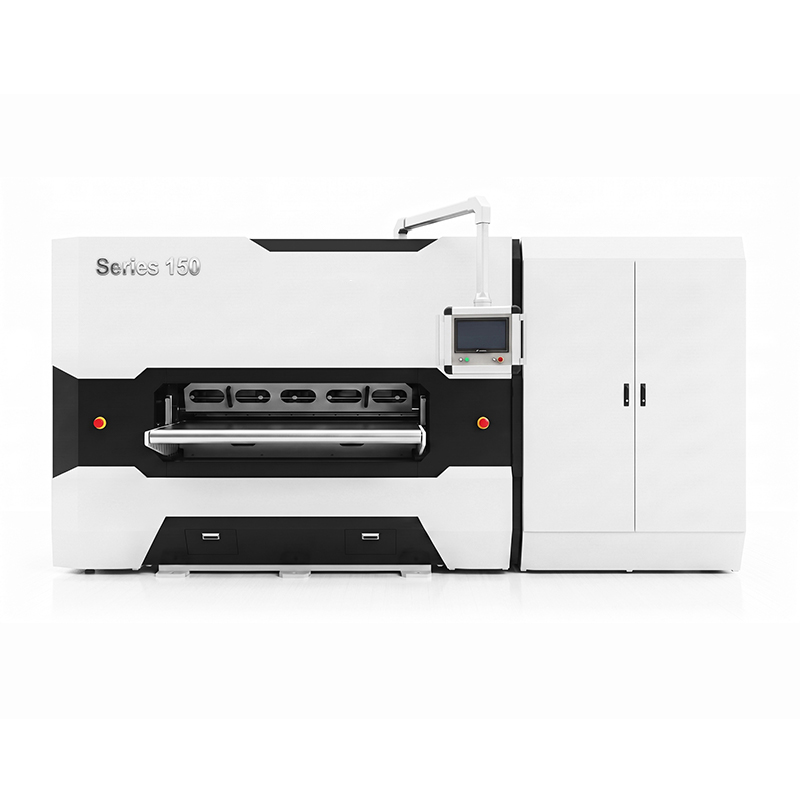
150 Series Extra-Thick Plate Hydraulic Leveling Machine
-
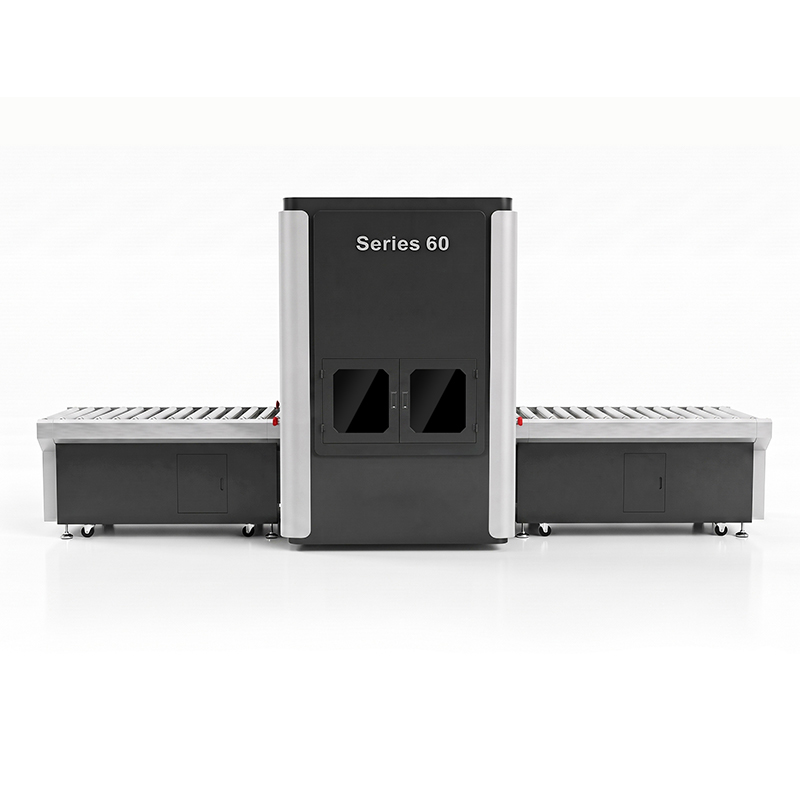
60 Series Hydraulic Servo Heavy Plate CNC Leveling Machine
-
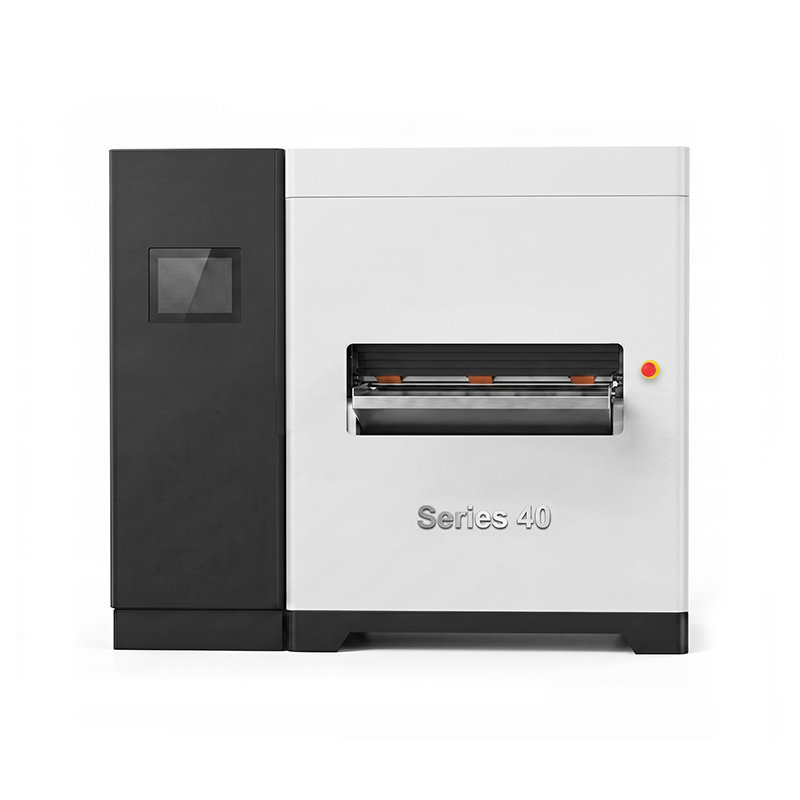
40 Series Heavy-Duty Hydraulic Precision Leveling Machine
-
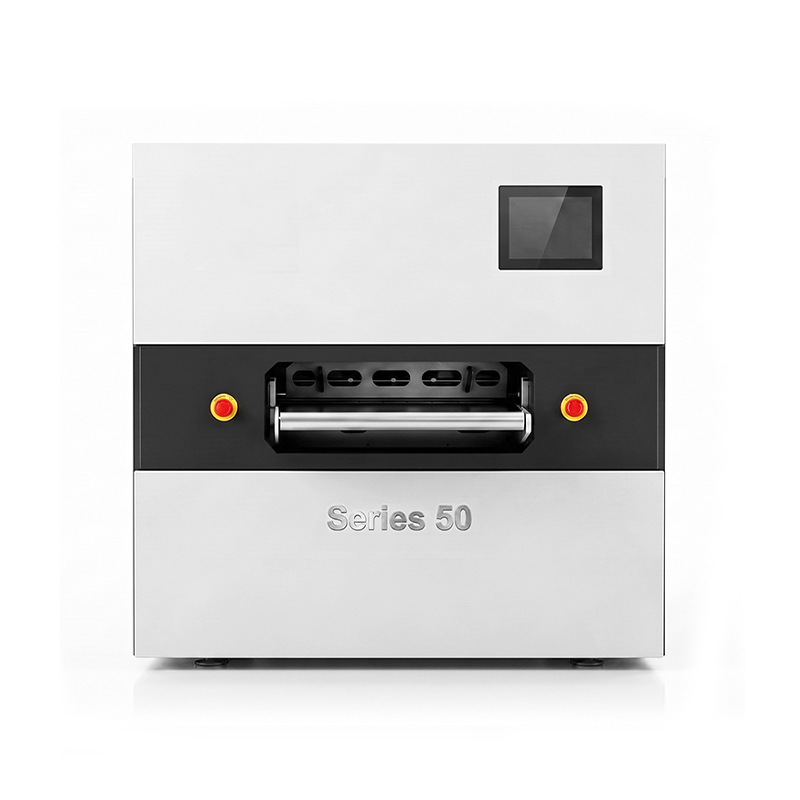
50 Series Four-Column Hydraulic Intelligent Precision Leveling Machine
JingShi Intelligent
Technology Leads, Precision Craftsmanship
JingShi Intelligent boasts a strong R&D team comprising mechanical designers, hydraulic engineers, and automation experts, capable of end-to-end system development from structural design to full line control. We are China 50 Series Heavy-Duty Thick Plate CNC Leveling Machine Factory. With a manufacturing area of 2,557.97 m² and advanced assembly and inspection facilities, we operate under strict quality management standards.
Each machine undergoes comprehensive testing — including flatness precision, load performance, and noise assessment — to ensure long-term stability and reliability that meets international requirements.
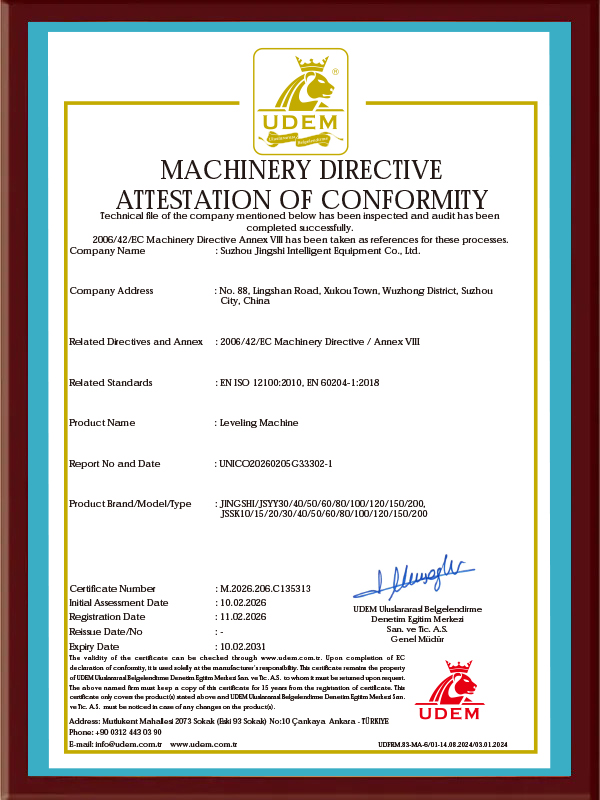
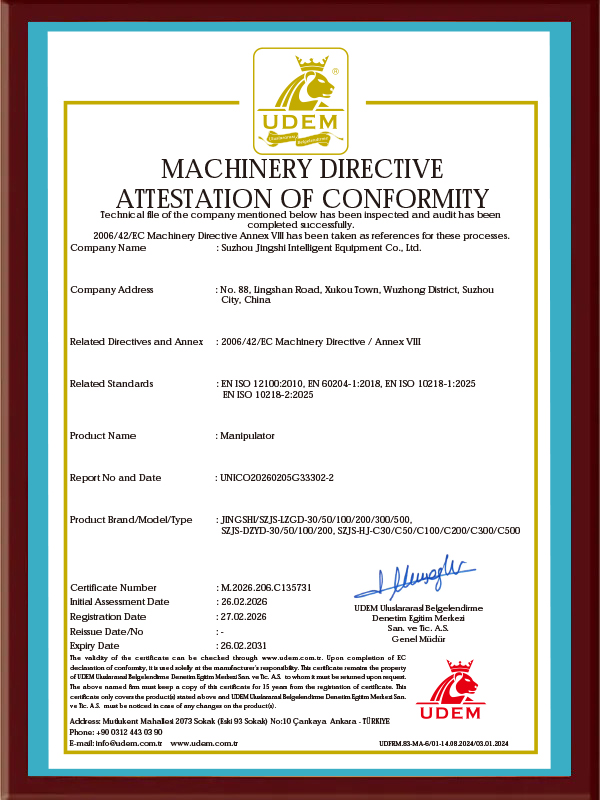
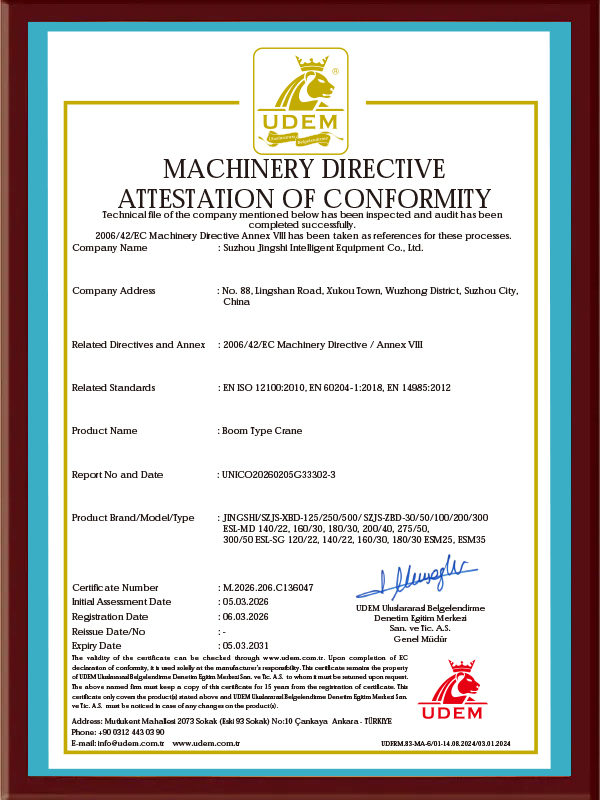
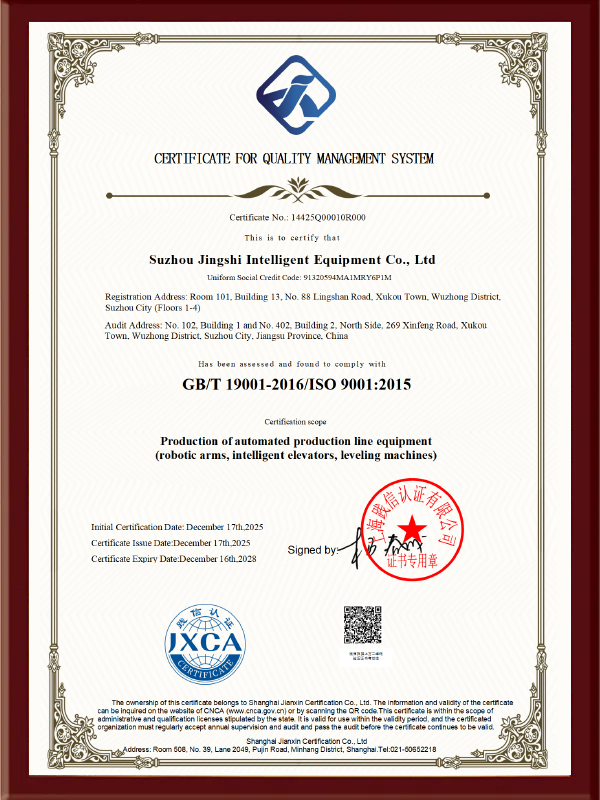
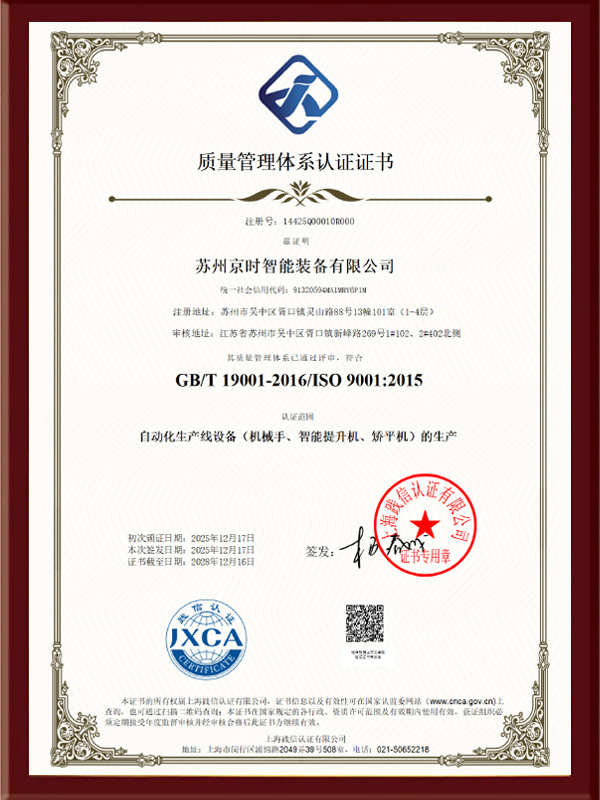
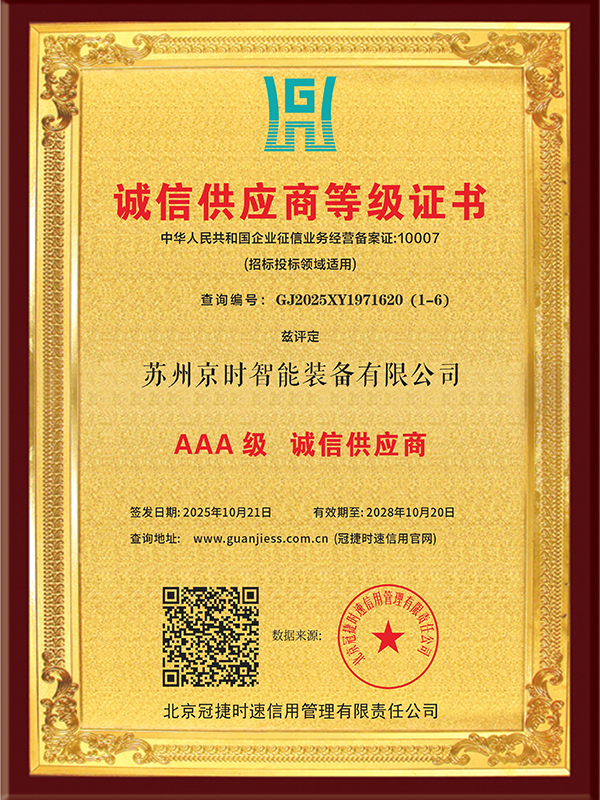
Certificate Of Honor
Stay Connected, Insights & Innovation from JingShi
-

 Industry News
 2026.11.23
When a coil leaves the leveler looking flat on top but curves away from the straightedge, the problem is rarely a mystery for long. In strip processi...
-
Industry News
2026.11.20
Anyone who has spent a shift standing beside a coil car knows the feeling: four machines are bolted to the same foundation, wired to the same cabinet...
-
Industry News
2026.11.14
Anyone who has leveled light-gauge material knows how quickly the job turns stubborn. Push the intermesh a little deeper to chase an edge wave, and t...
-
Industry News
2026.10.26
Walk onto any coil processing floor and you can tell a lot about the operation by what happens after the coil is unloaded. A multi-cut blanking line ...
Contact us
-

-

+ 86 - 4008006155 / + 86 - 512-66064950
-

+ 86 - 13732649503
-

+ 86 - 512-66510623
-

88 Lingshan Road, Xukou Town, Wuzhong District, Suzhou City, Jiangsu Province, China

Copyright © 2025 by Suzhou JingShi Intelligent Equipment Co., Ltd. Rights Reserved. Custom 50 Series Heavy-Duty Thick Plate CNC Leveling Machine Suppliers
