
 English
 русский
 Español
 عربى
JingShi
JingShi
JingShi
JingShi
JingShi
JingShi
JingShi
JingShi
JingShi
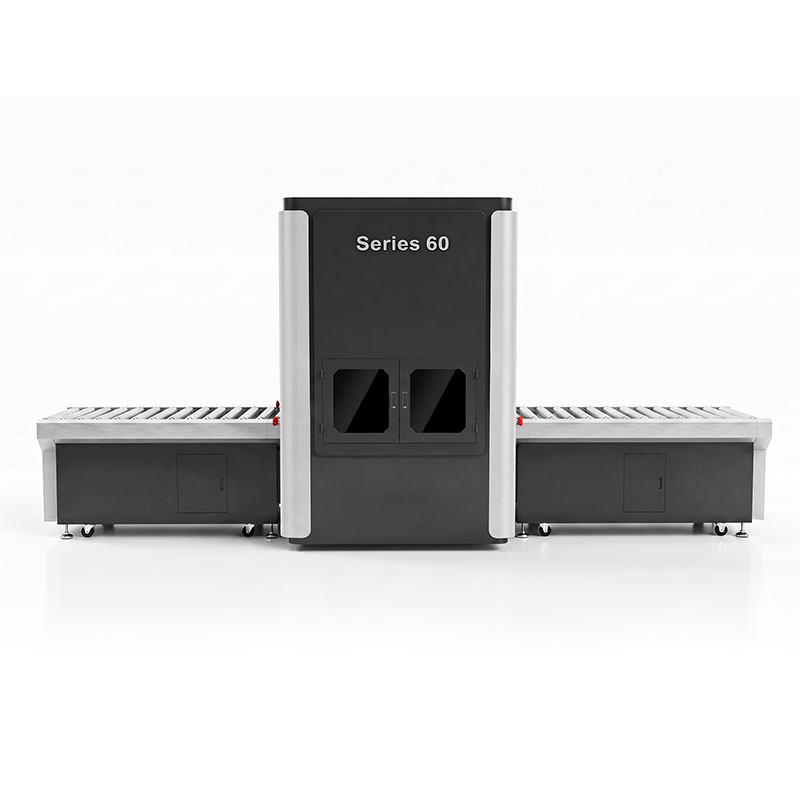
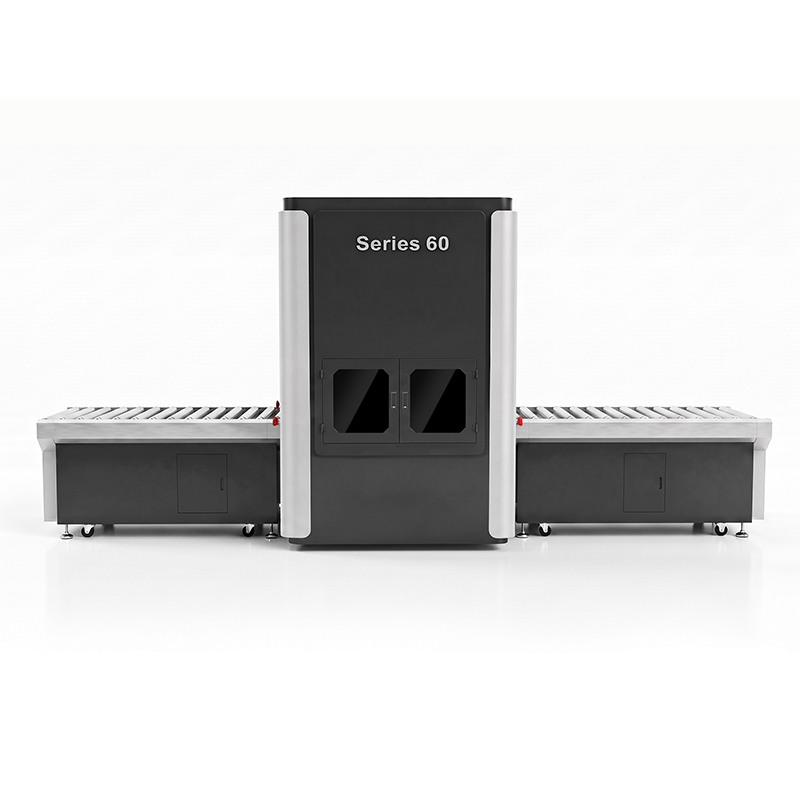
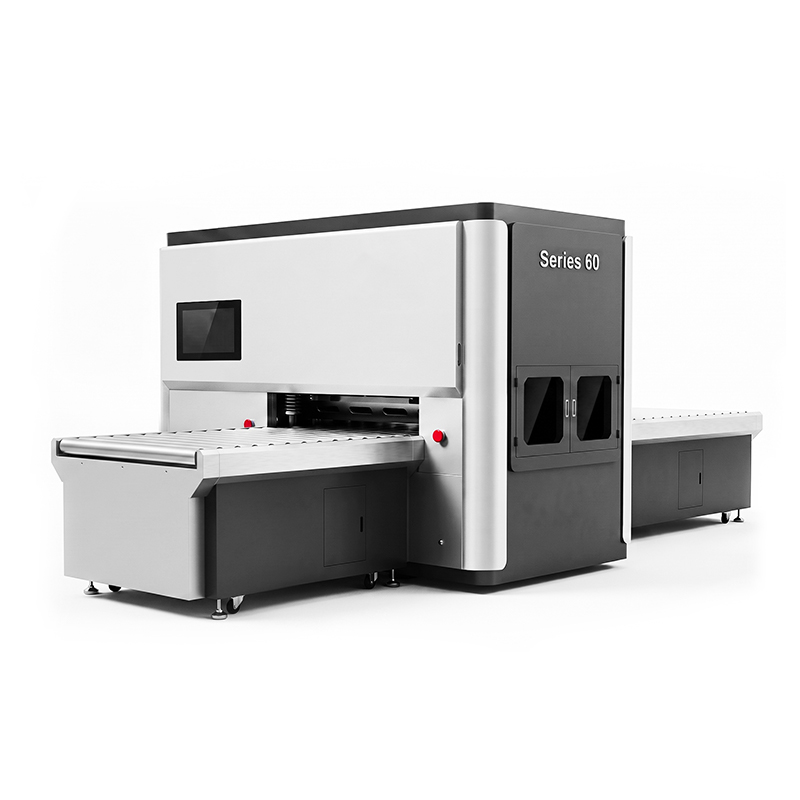
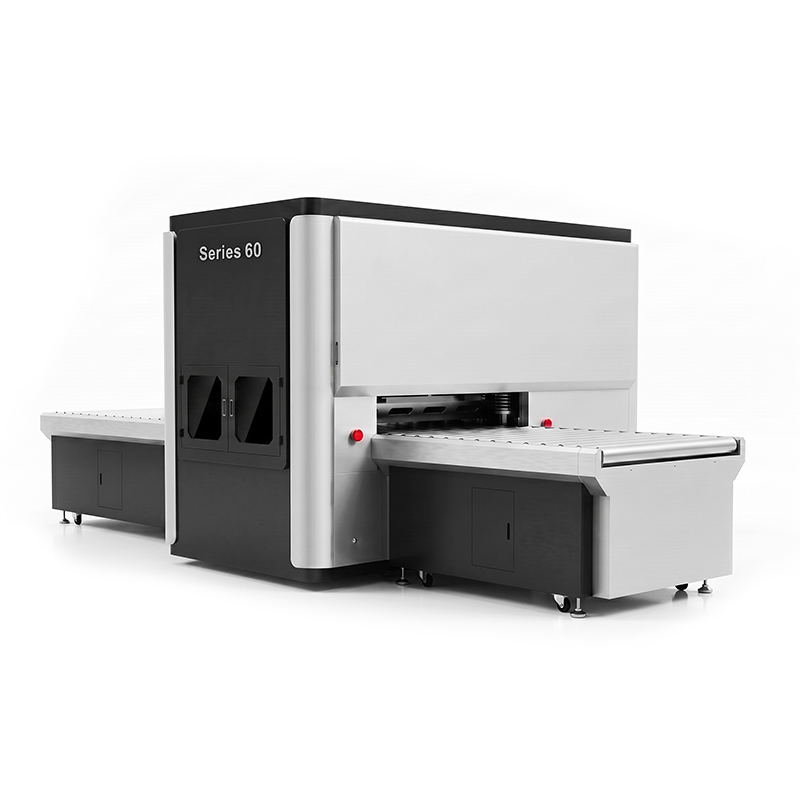
60 Series Hydraulic Servo Heavy Plate CNC Leveling Machine
Level thick, high-strength plate with a heavy-duty CNC precision leveler that combines hydraulic servo control and a rigid frame, made for heavy machinery, shipbuilding and large structural steel fabrication.
The Model 60 Series from Suzhou Jingshi Intelligent Equipment uses 19 leveling rolls, each 60mm in diameter, and is available in standard working widths of 400, 600, 1000, 1300, 1600, 1900 and 2100mm. It handles materials with a rated thickness of 1.0-6.0mm (maximum 12.0mm), reaches a leveling accuracy of ≤0.2mm, and runs at an adjustable line speed of 1-10 m/min.
A fully closed-loop hydraulic servo system drives the upper roll assembly, backed by a high-torque gearbox and a pre-stressed frame for stable results under heavy load. Optional configurations include four/six times leveling rollers, loading/unloading manipulators or palletizing robots, powered or unpowered feeding and discharging roller lines, and uncoiler lines with hydraulic/mechanical cutting or laser cutting blanking.
Send us your material type, thickness, working width and production requirements to receive a recommended configuration and quotation.
- Specification
- About JINGSHI
- Contact Us
| Width of standard series | 400 | 600 | 1000 | 1300 | 1600 | 1900 | 2100 |
| Diameter of leveling roller | 60 | 60 | 60 | 60 | 60 | 60 | 60 |
| Number of leveling rollers | 19 | 19 | 19 | 19 | 19 | 19 | 19 |
| The shortest workpiece length for flattening Lmin (mm) | Lmin=130 | Lmin=130 | Lmin=130 | Lmin=130 | Lmin=130 | Lmin=130 | Lmin=130 |
| Nominal thickness of leveling material T (mm) | 1.0-6.0 | 1.0-6.0 | 1.0-6.0 | 1.0-6.0 | 1.0-6.0 | 1.0-6.0 | 1.0-6.0 |
| Maximum thickness of flattening material Tmax (mm) | Tmax=12 | Tmax=12 | Tmax=12 | Tmax=12 | Tmax=12 | Tmax=12 | Tmax=12 |
| Leveling accuracy | The parameters are calculated according to the material Q235/yield strength 235MPa, and the length and width are detected within 1m | ||||||
| ≤0.2mm | ≤0.2mm | ≤0.2mm | ≤0.2mm | ≤0.2mm | ≤0.2mm | ≤0.2mm | |
| Straightening line speed (m/min) | Speed adjustable at 1-10m/min | ||||||
| Voltage | AC three-phase 380V | ||||||
| Optional Accessories | 1.Four/six times leveling roller | 3.Feeding and discharging roller assembly line: with/without power | 5.Uncoiler - Hydraulic/Mechanical Cutting Line | ||||
| 2.Automatic loading/unloading manipulator/palletizing robot | 4.Number of leveling rollers | 6.Uncoiler - laser cutting blanking line | |||||
| Customized requirements | Customer customization requirements are acceptable | ||||||
| Remarks | Straighten the pressing gap of materials, input relevant parameters through the touch screen, and the equipment will automatically adjust. | ||||||
Before and After Leveling
Advantages
Thick plate can hide stress deep inside the material, so a surface that looks flat may still warp later. The Model 60 Series CNC Precision Leveler is engineered for thick, high-strength plate up to 12.0mm, combining a 19-roll layout, hydraulic servo control and a rigid frame.
- Optimized 19-Roll Heavy-Duty Architecture:Instead of the high-frequency, small-curvature design of thin-plate levelers, the 60 Series uses a 19-roll high-pressure penetration principle. Staggered upper and lower rolls apply strong alternating bending moments, so stress relief reaches the core of the plate rather than only the surface. This addresses the common problem of plate that looks flat but stays warped inside.
- Fully Closed-Loop Hydraulic Servo Control:A high-response hydraulic servo system drives the upper roll assembly directly, replacing mechanical limit adjustment. High-precision displacement sensors report the actual roll gap in real time, forming a closed loop that compensates for frame deformation under heavy leveling force and keeps accuracy stable.
- High-Torque Drive and Gearbox System:Leveling 12mm plate takes great force. An industrial-grade high-torque gearbox and heavy-duty drive deliver stable power even with high-yield steels such as Q345 or Q460, avoiding stalling and slippage marks and keeping surface quality consistent.
- Super-Rigid Pre-Stressed Frame:The frame is optimized by finite element analysis and built as an integral cast steel or high-strength welded steel plate structure, annealed overall to remove welding stress. Pre-stressed tie rods add resistance to deformation, so roll parallelism holds up under extreme loads.
Applications
The Model 60 Series serves industries where structural integrity and flatness cannot be compromised.
- Heavy Machinery and Construction Equipment:Levels chassis components, boom arms and outrigger pads for excavators and cranes, where flatness directly affects welding quality and assembly accuracy.
- Shipbuilding and Marine Engineering:Suited to deck plates, bulkhead sections and structural stiffeners. Leveling steel up to 12mm helps hull sections fit together properly and reduces rework.
- Pressure Vessels and Boilers:Flattens end caps and cylindrical sections before rolling or welding. Removing internal stress limits distortion in the high-heat processes that follow.
- Steel Service Centers:Turns coiled heavy plate into flat sheets ready for laser or plasma cutting, adding value to cut-to-length plate.
FAQ
-
Q: For wear-resistant plates such as Hardox, what is the maximum thickness the 60 Series can handle?
A: Standard capacity is based on Q235 mild carbon steel, but the 60mm roll diameter and strong hydraulic drive can level high-hardness wear-resistant plates. For materials around HB400 hardness, we recommend limiting thickness to 6.0-8.0mm, which protects long-term accuracy and machine life while still giving good flatness.
-
Q: How does the hydraulic servo system differ from standard electric adjustment?
A: The difference is rigidity and response speed. Electric adjustment relies on screw transmission, which can deform elastically under high leveling force and cause roll gap errors. The hydraulic servo system acts directly, with very high rigidity and millisecond-level response. It counters the reaction force of the plate during processing and keeps the reduction amount accurate, which is essential for ultra-thick plate.
-
Q: Why use a 19-roll design rather than 21 rolls for thick plate?
A: It is a balance between bending frequency and bending force. Thin plate needs more rolls to raise bending frequency and remove fine waves. Thick plate resists deformation strongly, and too many rolls spread the contact pressure so much that plastic deformation becomes insufficient. The 19-roll design concentrates greater pressure at each roll while still giving enough bends, working like a deep press to break up internal stress in thick plate, which makes it the best choice for plate over 6mm.
Founded in 2016, Suzhou JingShi Intelligent Equipment Co., Ltd. is an integrated high-tech enterprise combining research, manufacturing, and trade. 60 Series Hydraulic Servo Heavy Plate CNC Leveling Machine Manufacturers and 60 Series Hydraulic Servo Heavy Plate CNC Leveling Machine Suppliers. We focus on deliver high precision, efficiency, and stability to global manufacturers.
Our core team brings over a decade of expertise in metal forming and finishing, mastering system-level R&D from structural design to hydraulic control and automation integration. 60 Series Hydraulic Servo Heavy Plate CNC Leveling Machine OEM/ODM Custom. We drive growth through technological innovation and continuous improvement.
Recommended Products
-
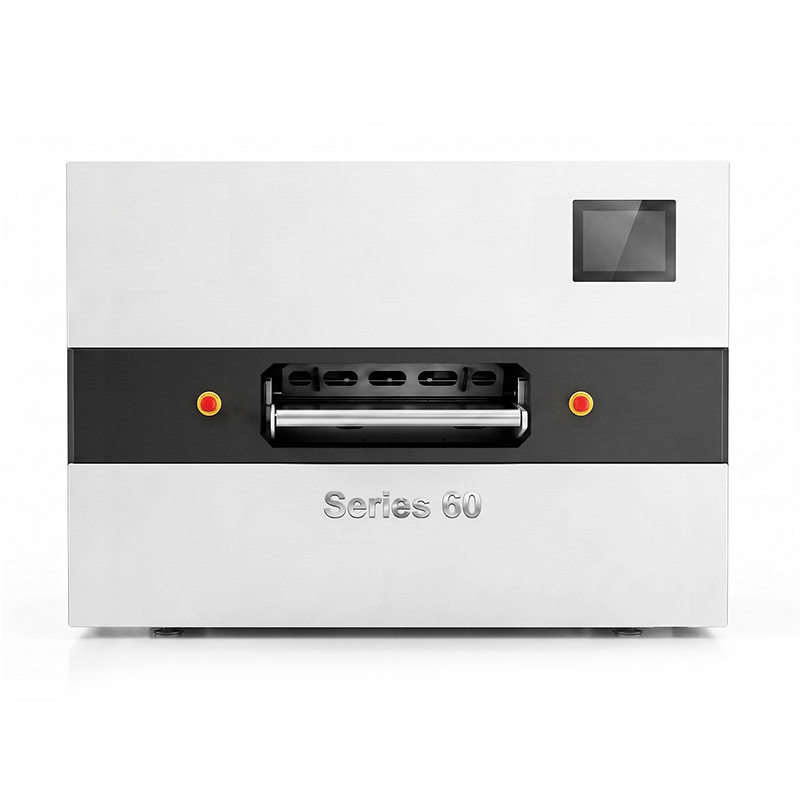

60 Series Thick Plate High-Efficiency Hydraulic Leveling Machine
-
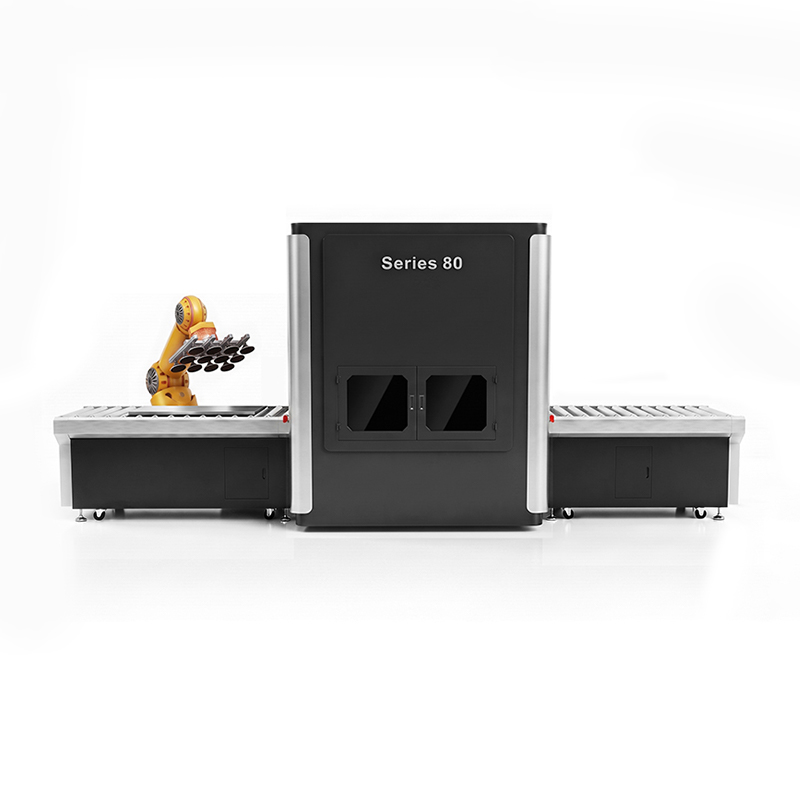
80 Series Heavy-Duty Medium-to-Heavy Plate CNC Leveling Machine
-
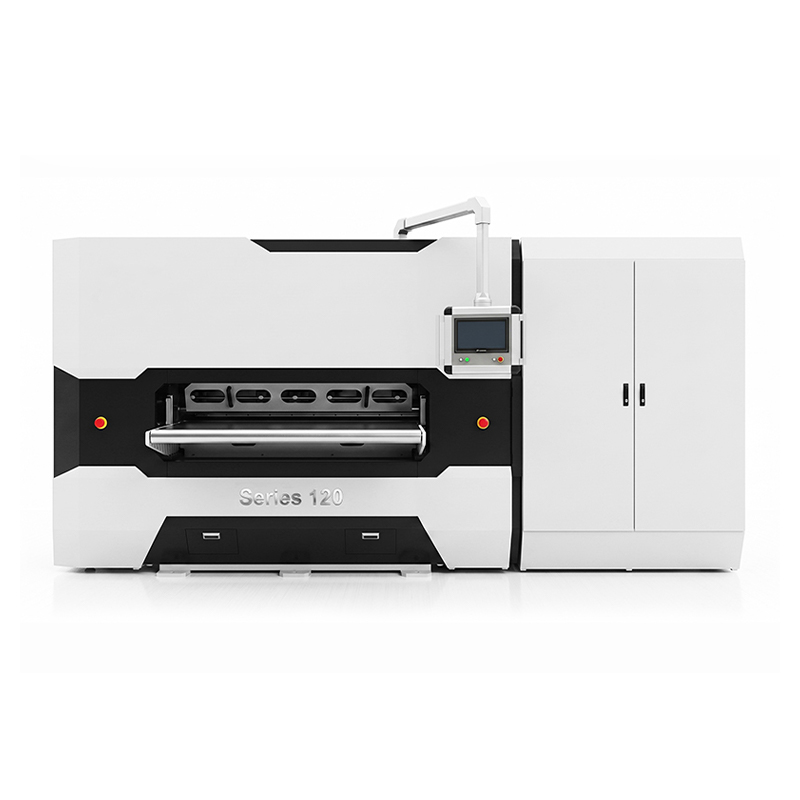
120 Series Heavy Plate Hydraulic Leveling Machine
-
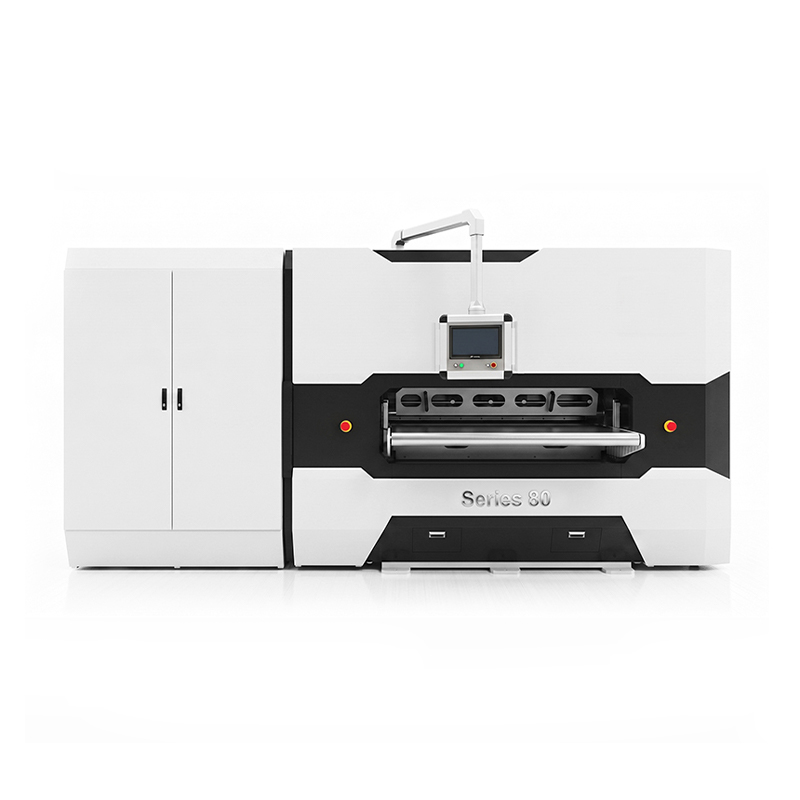
80 Series Heavy-Duty Plate Hydraulic Ultra-Precision Leveling Machine
-
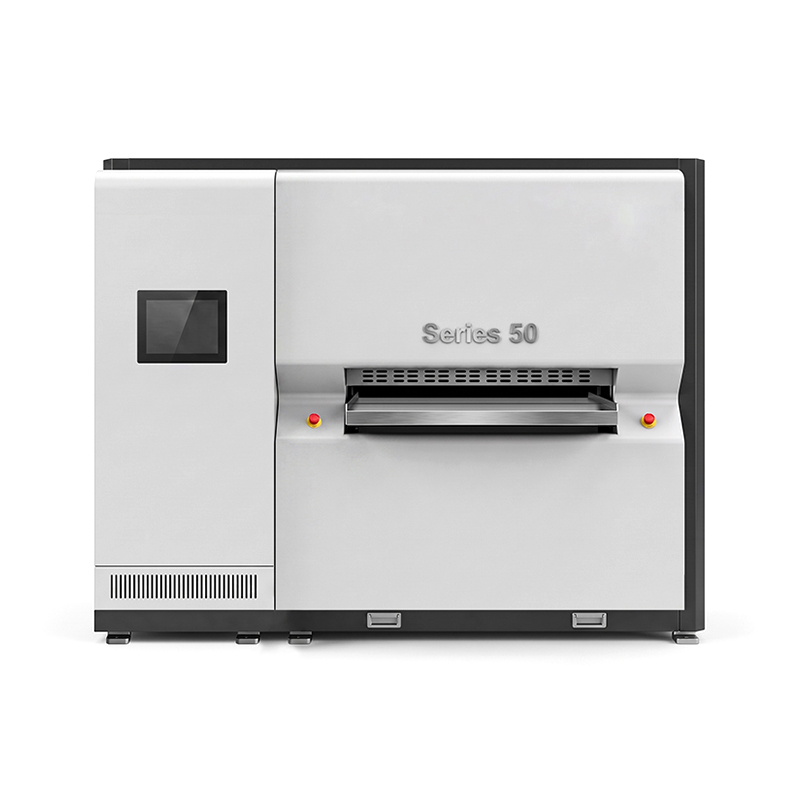
50 Series Heavy-Duty Thick Plate CNC Leveling Machine
-
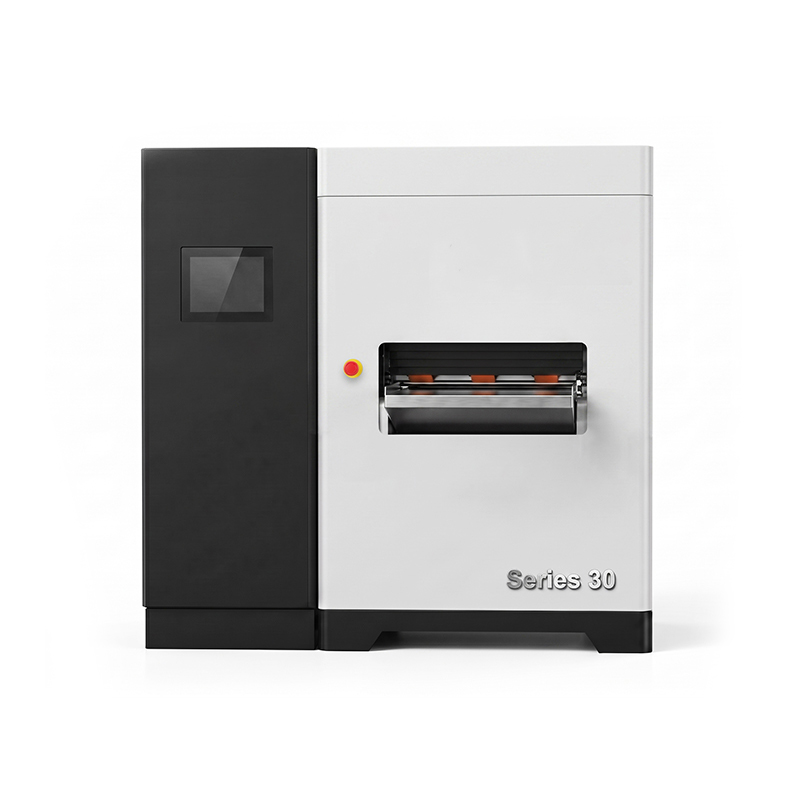
30 Series Thin Plate Hydraulic Servo Precision Leveling Machine
JingShi Intelligent
Technology Leads, Precision Craftsmanship
JingShi Intelligent boasts a strong R&D team comprising mechanical designers, hydraulic engineers, and automation experts, capable of end-to-end system development from structural design to full line control. We are China 60 Series Hydraulic Servo Heavy Plate CNC Leveling Machine Factory. With a manufacturing area of 2,557.97 m² and advanced assembly and inspection facilities, we operate under strict quality management standards.
Each machine undergoes comprehensive testing — including flatness precision, load performance, and noise assessment — to ensure long-term stability and reliability that meets international requirements.
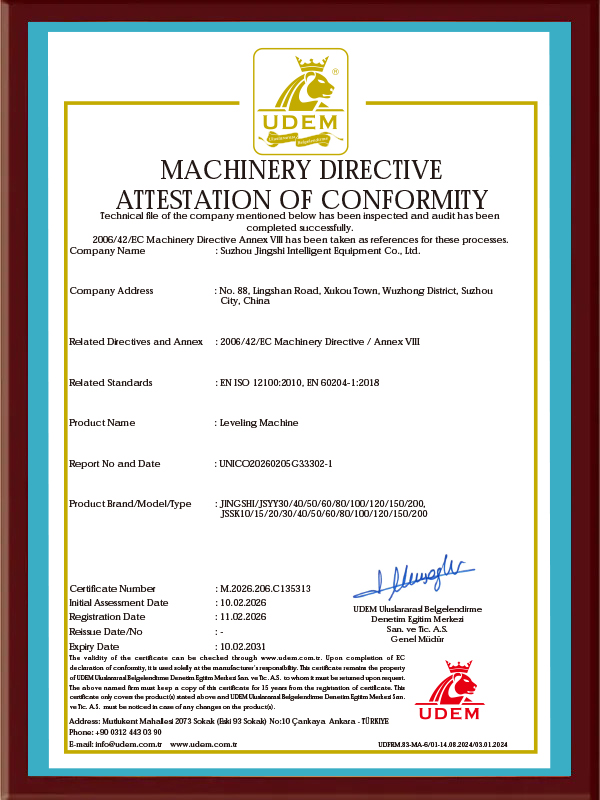
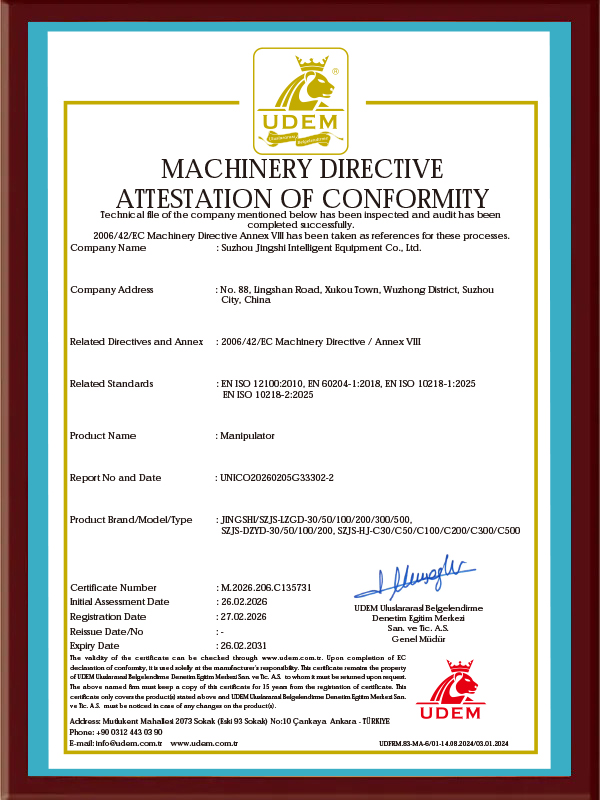
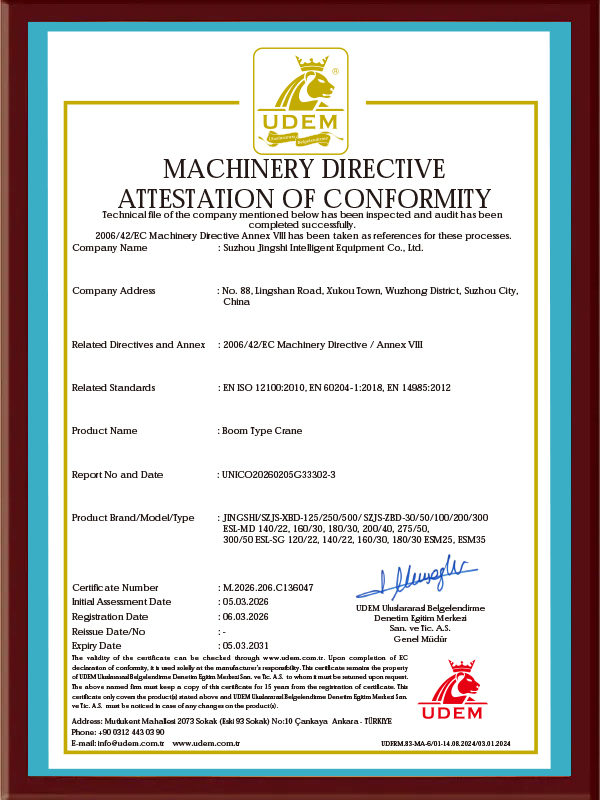
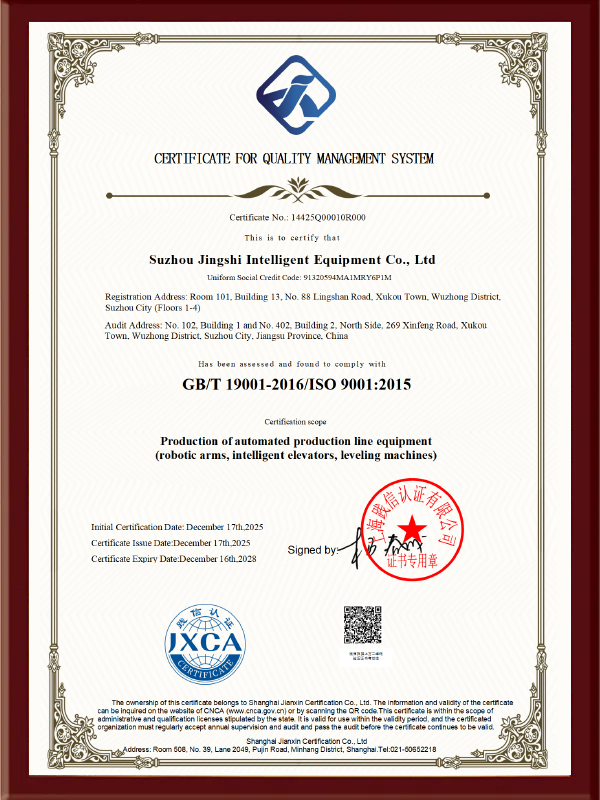
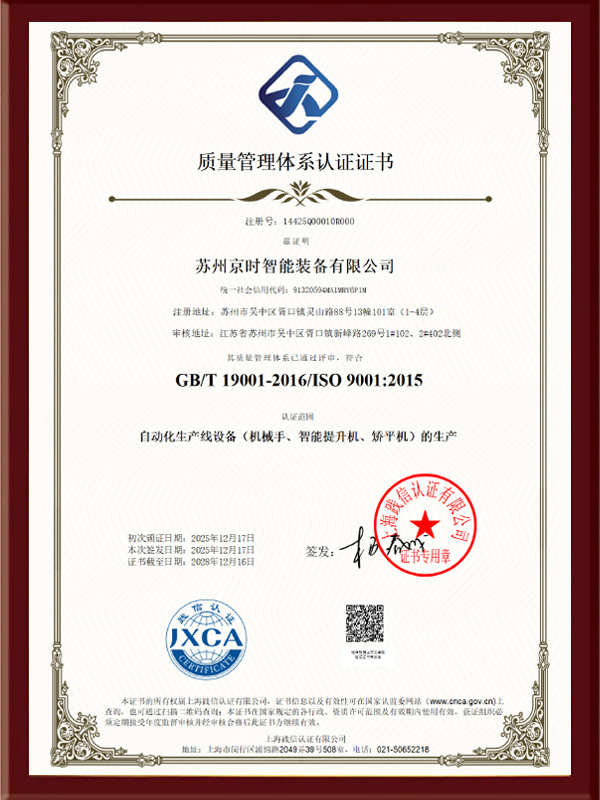
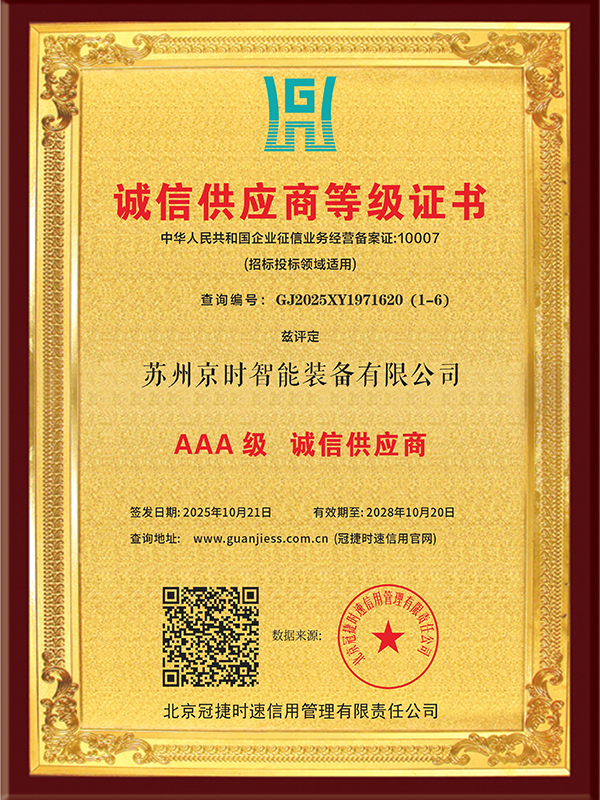
Certificate Of Honor
Stay Connected, Insights & Innovation from JingShi
-

 Industry News
 2026.11.23
When a coil leaves the leveler looking flat on top but curves away from the straightedge, the problem is rarely a mystery for long. In strip processi...
-
Industry News
2026.11.20
Anyone who has spent a shift standing beside a coil car knows the feeling: four machines are bolted to the same foundation, wired to the same cabinet...
-
Industry News
2026.11.14
Anyone who has leveled light-gauge material knows how quickly the job turns stubborn. Push the intermesh a little deeper to chase an edge wave, and t...
-
Industry News
2026.10.26
Walk onto any coil processing floor and you can tell a lot about the operation by what happens after the coil is unloaded. A multi-cut blanking line ...
Contact us
-

-

+ 86 - 4008006155 / + 86 - 512-66064950
-

+ 86 - 13732649503
-

+ 86 - 512-66510623
-

88 Lingshan Road, Xukou Town, Wuzhong District, Suzhou City, Jiangsu Province, China

Copyright © 2025 by Suzhou JingShi Intelligent Equipment Co., Ltd. Rights Reserved. Custom 60 Series Hydraulic Servo Heavy Plate CNC Leveling Machine Suppliers
