
 English
 русский
 Español
 عربى
JingShi
JingShi
JingShi
JingShi
JingShi
JingShi
JingShi
JingShi
JingShi
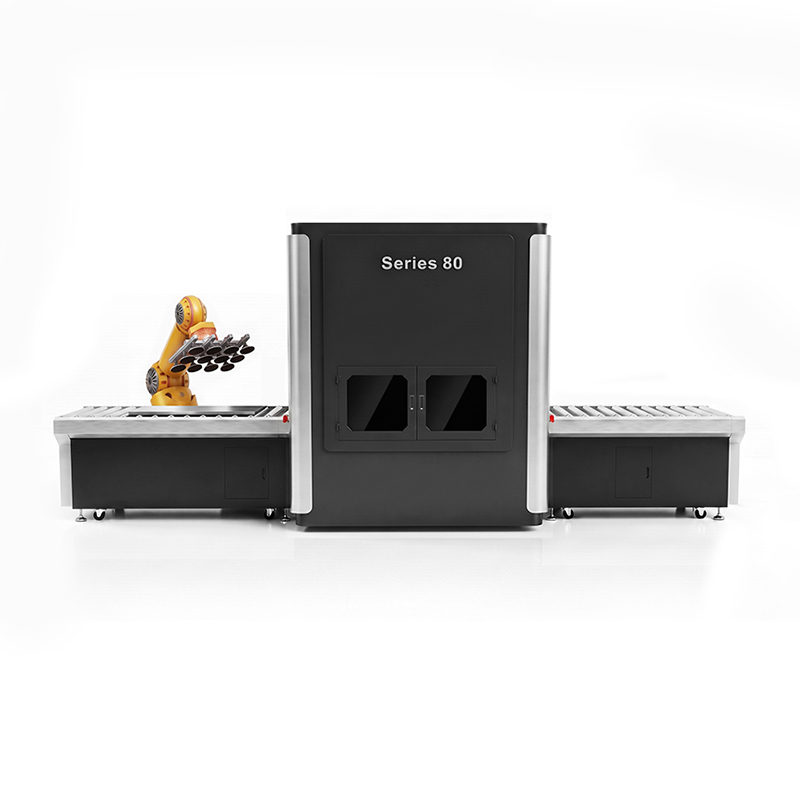
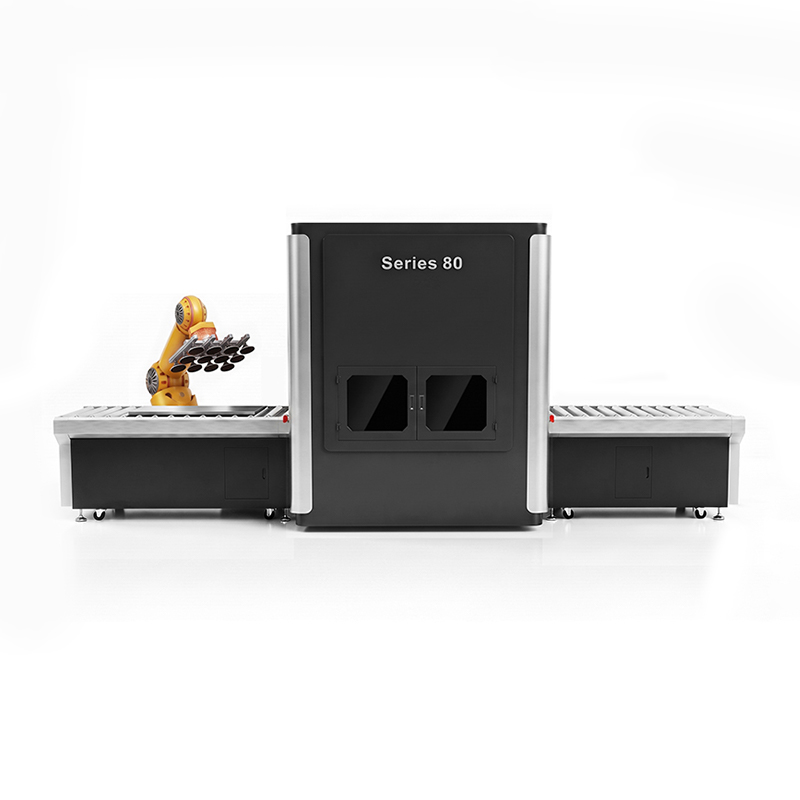
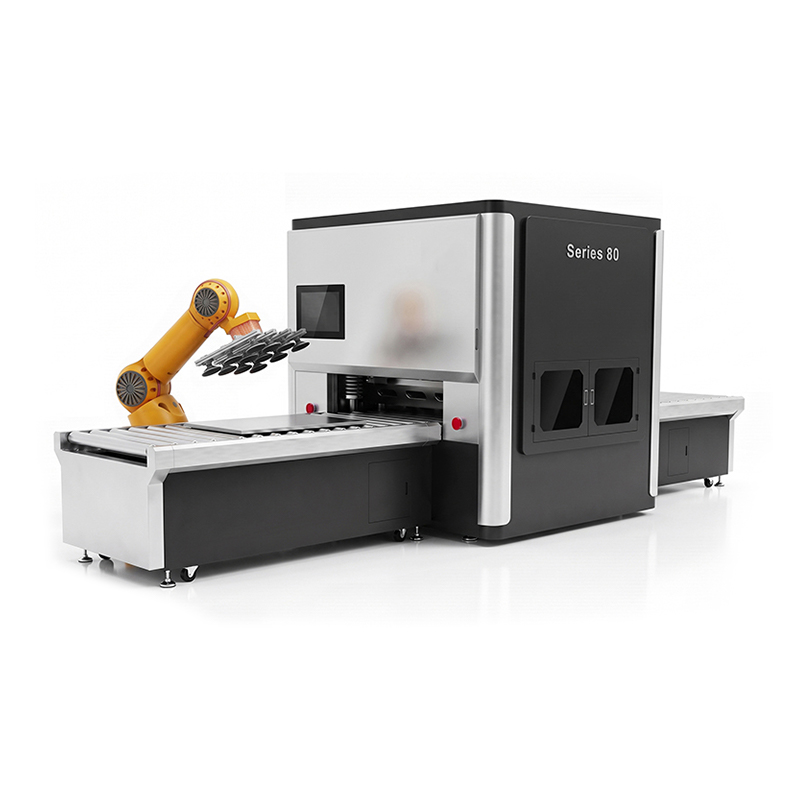
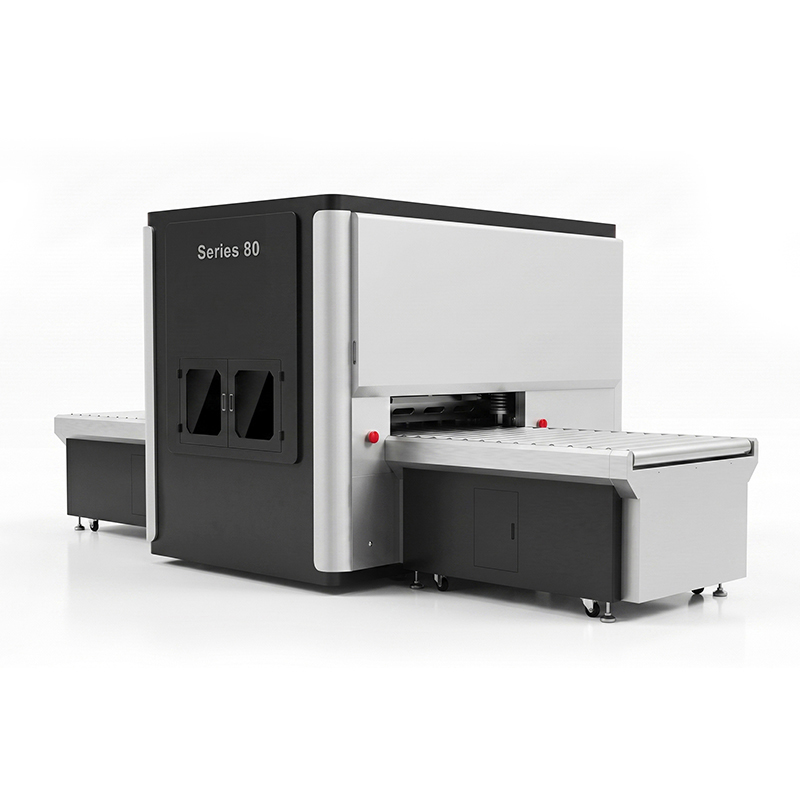
80 Series Heavy-Duty Medium-to-Heavy Plate CNC Leveling Machine
Level medium-to-heavy plate without giving up flatness quality, with a heavy-duty CNC precision leveler for structural steel, heavy machinery components and high-strength alloys.
The Model 80 Series from Suzhou Jingshi Intelligent Equipment uses 19 leveling rolls, each 80mm in diameter, and is available in standard working widths of 400, 600, 1000, 1300, 1600, 1900 and 2100mm. It handles materials with a rated thickness of 2.0-8.0mm (maximum 16.0mm), reaches a leveling accuracy of ≤0.2mm, accepts workpieces as short as 150mm, and runs at an adjustable line speed of 1-10 m/min.
CNC control with a touchscreen lets operators set the roll gap and mesh depth precisely to suit each material. Optional configurations include four/six times leveling rollers, loading/unloading manipulators or palletizing robots, powered or unpowered feeding and discharging roller lines, and uncoiler lines with hydraulic/mechanical cutting or laser cutting blanking.
Send us your material type, thickness, working width and production requirements to receive a recommended configuration and quotation.
- Specification
- About JINGSHI
- Contact Us
| Width of standard series | 400 | 600 | 1000 | 1300 | 1600 | 1900 | 2100 |
| Diameter of leveling roller | 80 | 80 | 80 | 80 | 80 | 80 | 80 |
| Number of leveling rollers | 19 | 19 | 19 | 19 | 19 | 19 | 19 |
| The shortest workpiece length for flattening Lmin (mm) | Lmin=150 | Lmin=150 | Lmin=150 | Lmin=150 | Lmin=150 | Lmin=150 | Lmin=150 |
| Nominal thickness of leveling material T (mm) | 2.0-8.0 | 2.0-8.0 | 2.0-8.0 | 2.0-8.0 | 2.0-8.0 | 2.0-8.0 | 2.0-8.0 |
| Maximum thickness of flattening material Tmax (mm) | Tmax=16 | Tmax=16 | Tmax=16 | Tmax=16 | Tmax=16 | Tmax=16 | Tmax=16 |
| Leveling accuracy | The parameters are calculated according to the material Q235/yield strength 235MPa, and the length and width are detected within 1m | ||||||
| ≤0.2mm | ≤0.2mm | ≤0.2mm | ≤0.2mm | ≤0.2mm | ≤0.2mm | ≤0.2mm | |
| Straightening line speed (m/min) | Speed adjustable at 1-10m/min | ||||||
| Voltage | AC three-phase 380V | ||||||
| Optional Accessories | 1.Four/six times leveling roller | 3.Feeding and discharging roller assembly line: with/without power | 5.Uncoiler - Hydraulic/Mechanical Cutting Line | ||||
| 2.Automatic loading/unloading manipulator/palletizing robot | 4.Number of leveling rollers | 6.Uncoiler - laser cutting blanking line | |||||
| Customized requirements | Customer customization requirements are acceptable | ||||||
| Remarks | Straighten the pressing gap of materials, input relevant parameters through the touch screen, and the equipment will automatically adjust. | ||||||
Before and After Leveling
Advantages
Medium-to-heavy plate must be leveled without losing flatness quality. The Model 80 Series CNC Precision Leveler uses 80mm work rolls in a 19-roll layout to handle plate up to 16.0mm thick, including short blanks and high-strength alloys.
- Superior Penetration for Medium-Heavy Plates:The 80mm rolls generate high specific pressure, enough to exceed the yield point of thick material up to 16mm. This deep plastic deformation removes internal stress caused by earlier cutting or welding and produces a flat surface that lighter machines cannot achieve.
- Optimized 19-Roll Heavy-Duty Configuration:The 19-roll arrangement balances leveling precision with the strength needed for heavy loads. Its smaller roll pitch relative to roll diameter increases the number of bending cycles as the material passes through, correcting complex waviness and coil set in medium-thickness material and giving a uniform finish across the full width.
- Exceptional Short-Workpiece Processing:The Model 80 can process workpieces as short as 150mm. Short blanks are hard to feed and stabilize on many heavy levelers, but precise roll alignment and feeding logic let this machine grip and level them. Manufacturers of discrete parts and blanks benefit from less rejected material.
- Robust Frame and Drive System:Structural rigidity and torque transmission take priority in the Model 80, and heavy-duty mechanical design is combined with CNC control. This lets materials with high yield strength be processed effectively.
Applications
The Model 80 Series suits a wide range of heavy industrial applications.
- Construction Machinery:Levels boom arms, chassis components and bucket plates.
- Shipbuilding:Processes hull plates and structural steel sections.
- Heavy Vehicle Manufacturing:Used for truck frames, liftgate plates and suspension components.
- Steel Service Centers:Precision leveling of cut-to-length plates and high-strength steel coils such as Q460 and Hardox.
FAQ
-
Q: Can the Model 80 handle high-strength steel such as Hardox or Q690?
A: Yes. It is built with the rigidity and roll strength to process high-yield-strength materials. Standard ratings are based on mild steel (Q235), and the robust drive and 80mm rolls give the torque and specific pressure to level high-strength alloys, as long as the thickness is adjusted according to the machine capacity curve.
-
Q: How does it deal with spring-back in thick plate?
A: Thick plate often springs back strongly because of internal stress. The dense 19-roll layout bends the material several times in alternating directions, which breaks the internal stress memory of the metal. The CNC system also lets operators adjust the roll gap and mesh depth precisely, fine-tuning plastic deformation to match the spring-back of the material.
-
Q: What is the benefit of the 150mm minimum length?
A: Many heavy levelers cannot keep a steady grip or bending cycle over a short distance, which causes jams or poor leveling at the ends. Handling lengths from 150mm means individual parts cut from a larger sheet can be leveled directly, without running the material as a long strip. This improves efficiency and cuts scrap for shops making discrete heavy components.
Founded in 2016, Suzhou JingShi Intelligent Equipment Co., Ltd. is an integrated high-tech enterprise combining research, manufacturing, and trade. 80 Series Heavy-Duty Medium-to-Heavy Plate CNC Leveling Machine Manufacturers and 80 Series Heavy-Duty Medium-to-Heavy Plate CNC Leveling Machine Suppliers. We focus on deliver high precision, efficiency, and stability to global manufacturers.
Our core team brings over a decade of expertise in metal forming and finishing, mastering system-level R&D from structural design to hydraulic control and automation integration. 80 Series Heavy-Duty Medium-to-Heavy Plate CNC Leveling Machine OEM/ODM Custom. We drive growth through technological innovation and continuous improvement.
Recommended Products
-
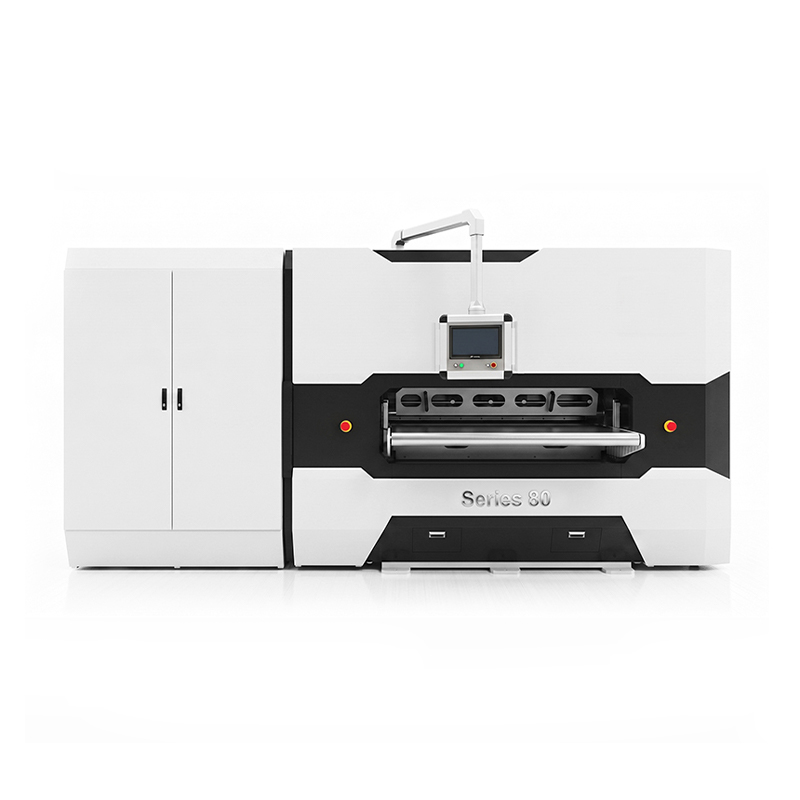

80 Series Heavy-Duty Plate Hydraulic Ultra-Precision Leveling Machine
-
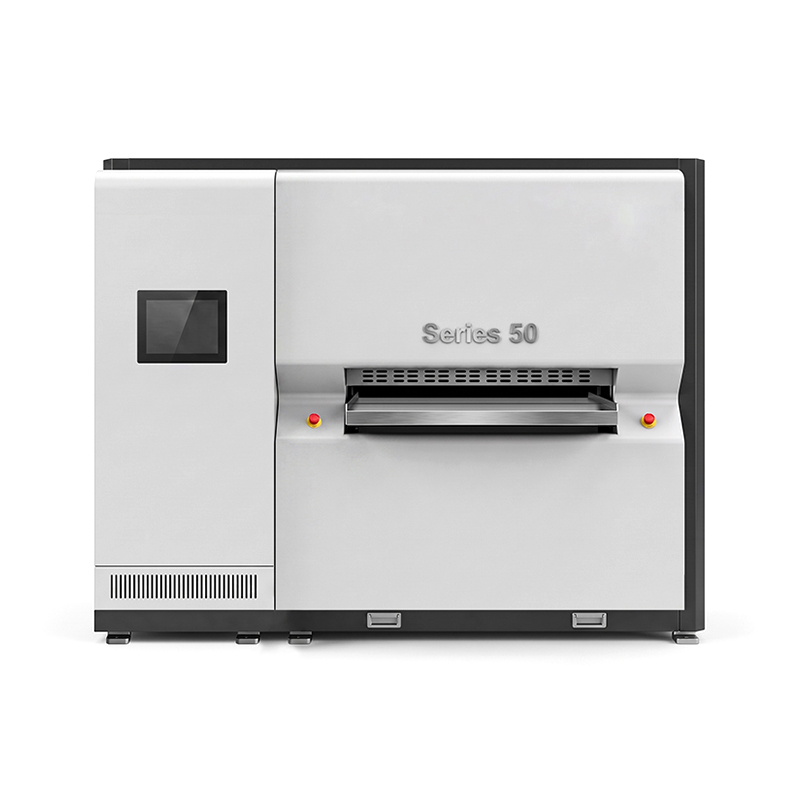
50 Series Heavy-Duty Thick Plate CNC Leveling Machine
-
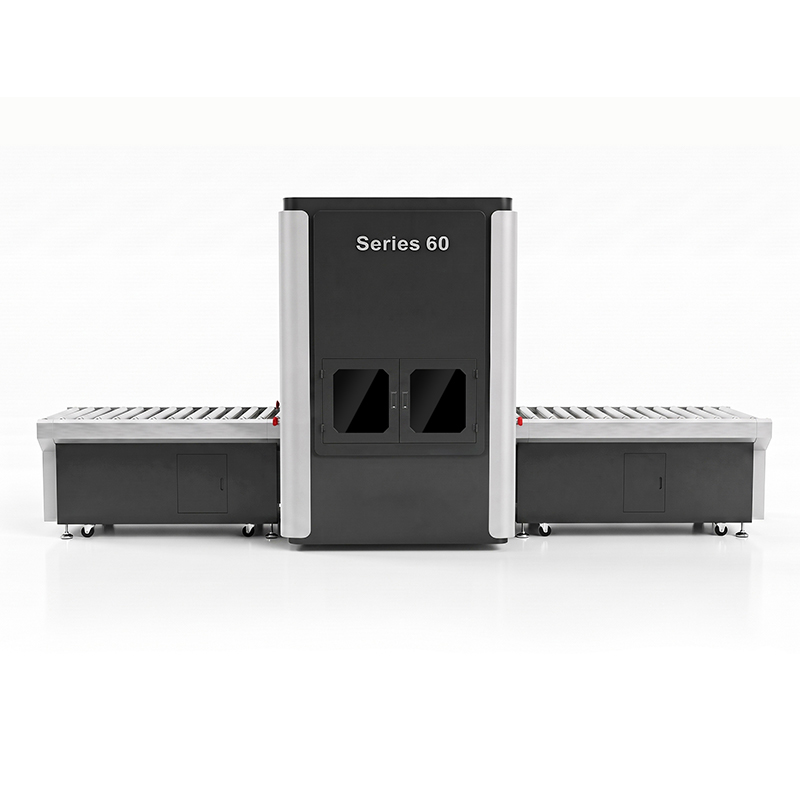
60 Series Hydraulic Servo Heavy Plate CNC Leveling Machine
-
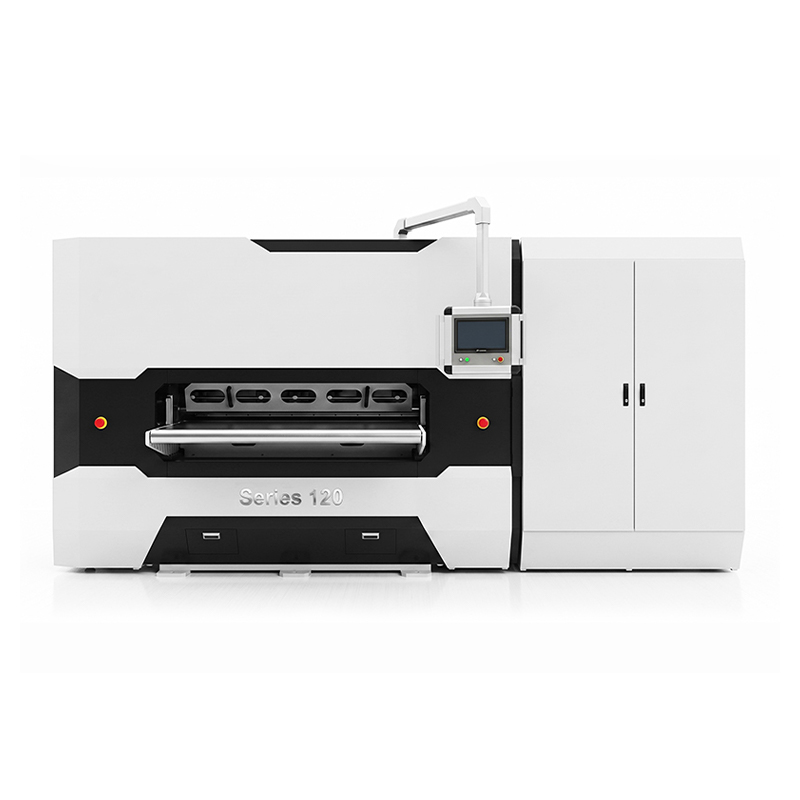
120 Series Heavy Plate Hydraulic Leveling Machine
-
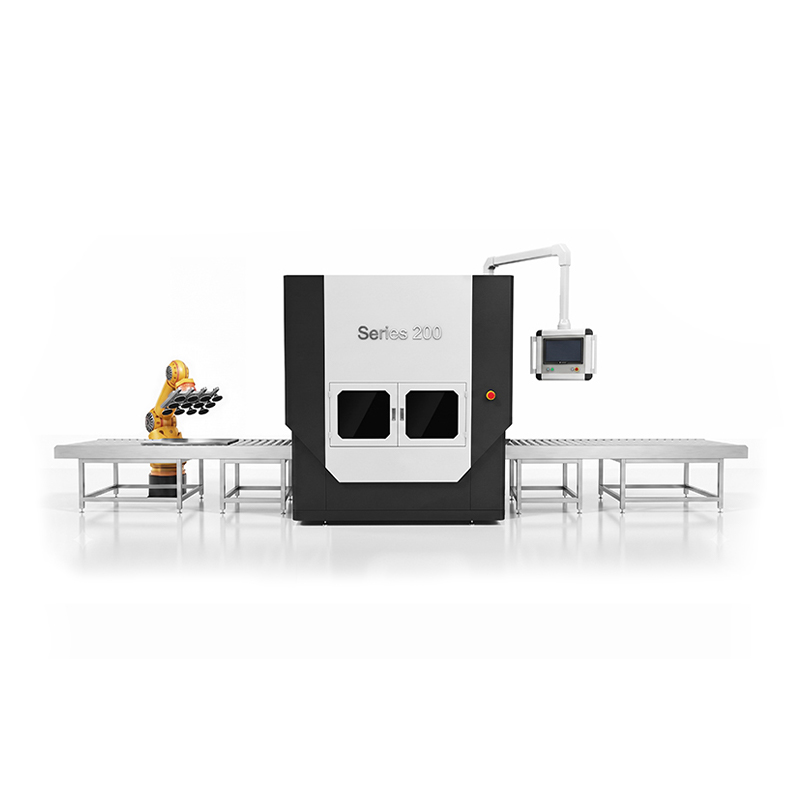
200 Series Super-Heavy-Duty Hydraulic Leveling Machine
-
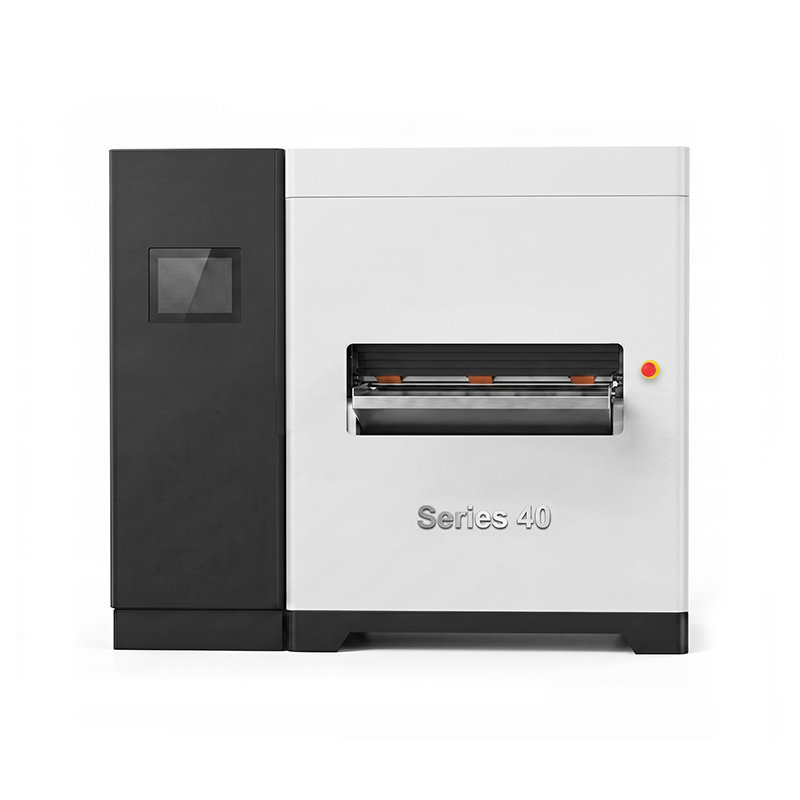
40 Series Heavy-Duty Hydraulic Precision Leveling Machine
JingShi Intelligent
Technology Leads, Precision Craftsmanship
JingShi Intelligent boasts a strong R&D team comprising mechanical designers, hydraulic engineers, and automation experts, capable of end-to-end system development from structural design to full line control. We are China 80 Series Heavy-Duty Medium-to-Heavy Plate CNC Leveling Machine Factory. With a manufacturing area of 2,557.97 m² and advanced assembly and inspection facilities, we operate under strict quality management standards.
Each machine undergoes comprehensive testing — including flatness precision, load performance, and noise assessment — to ensure long-term stability and reliability that meets international requirements.
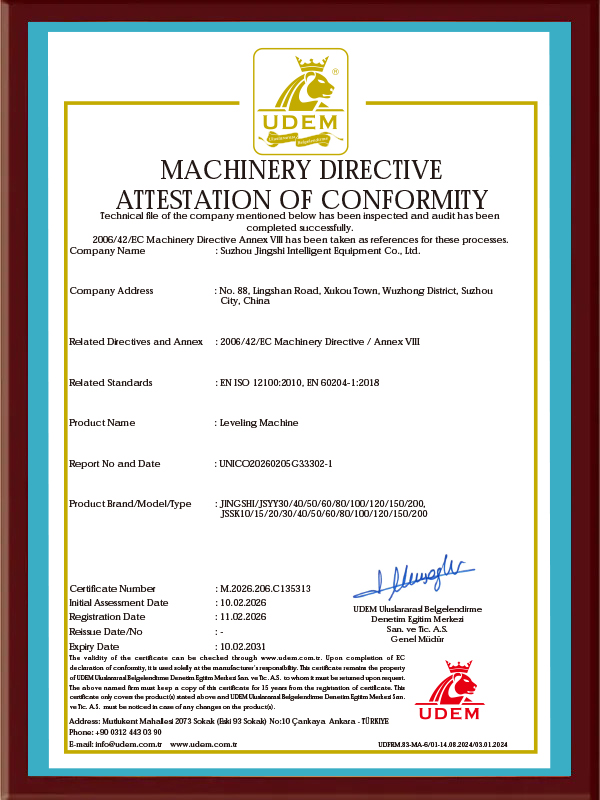
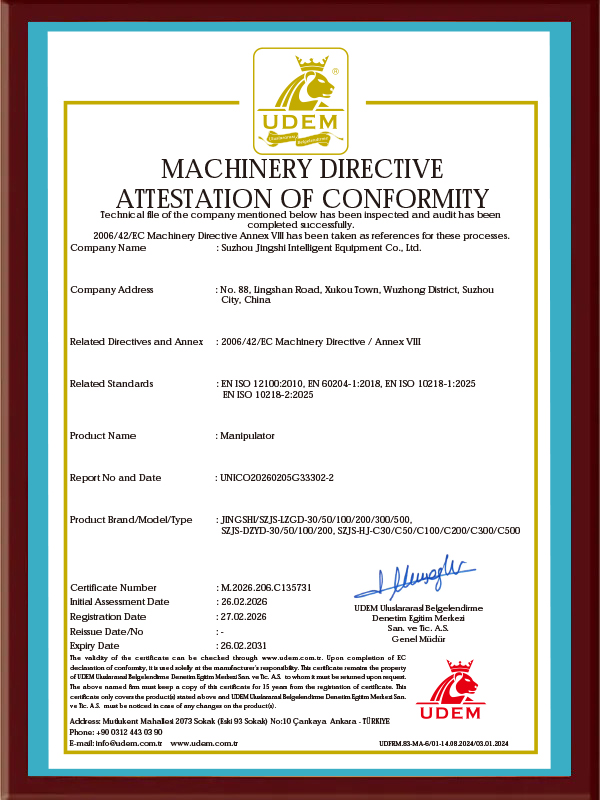
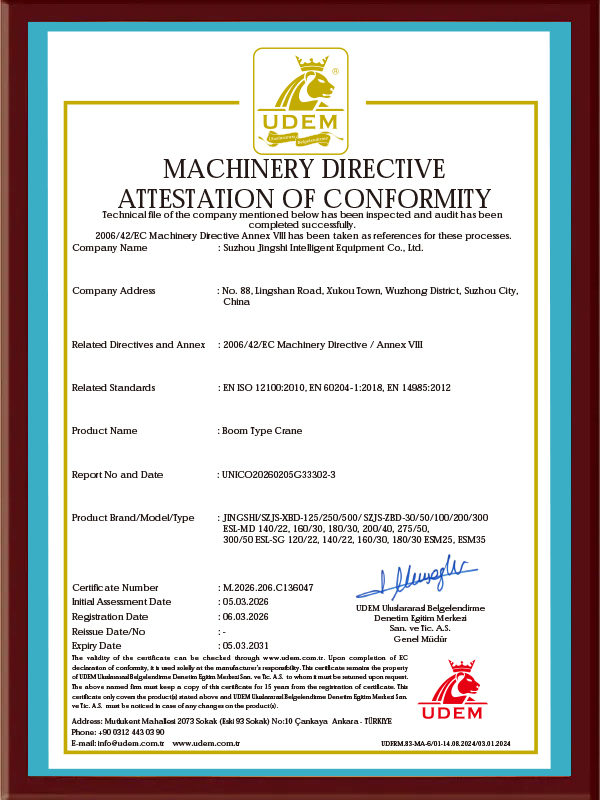
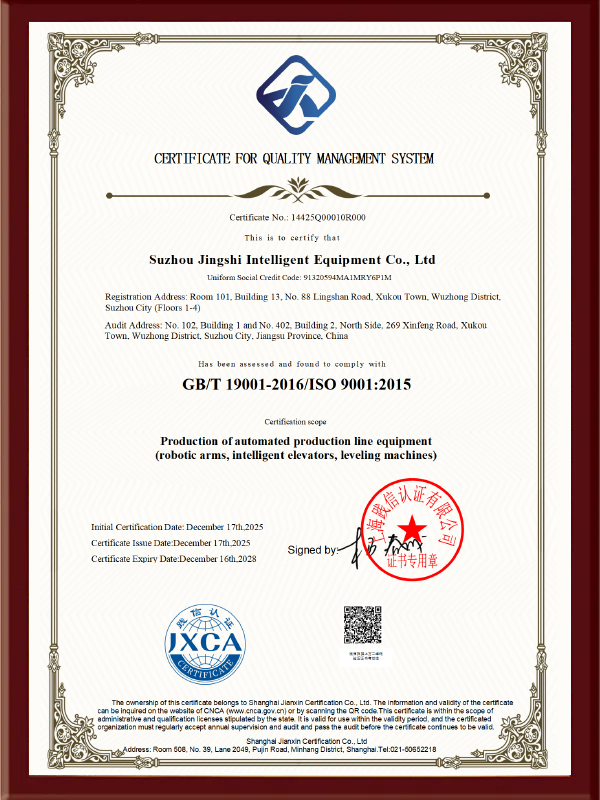
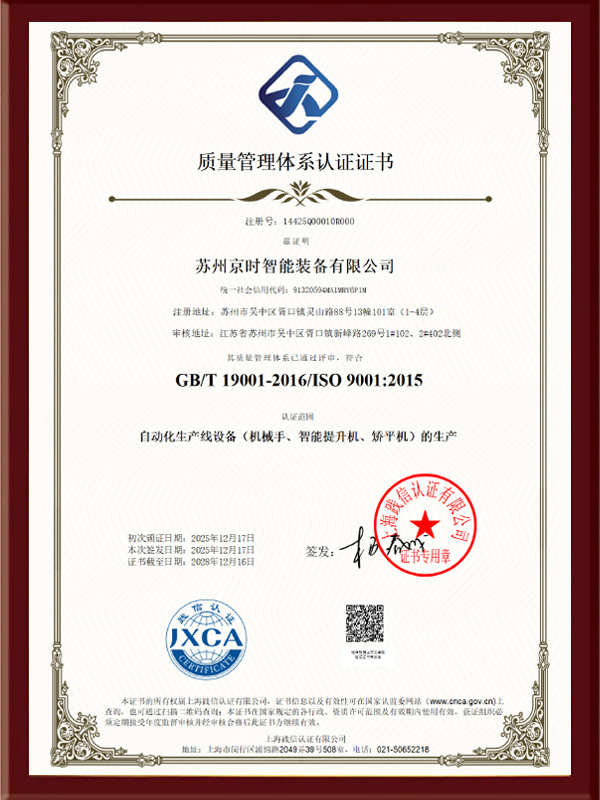
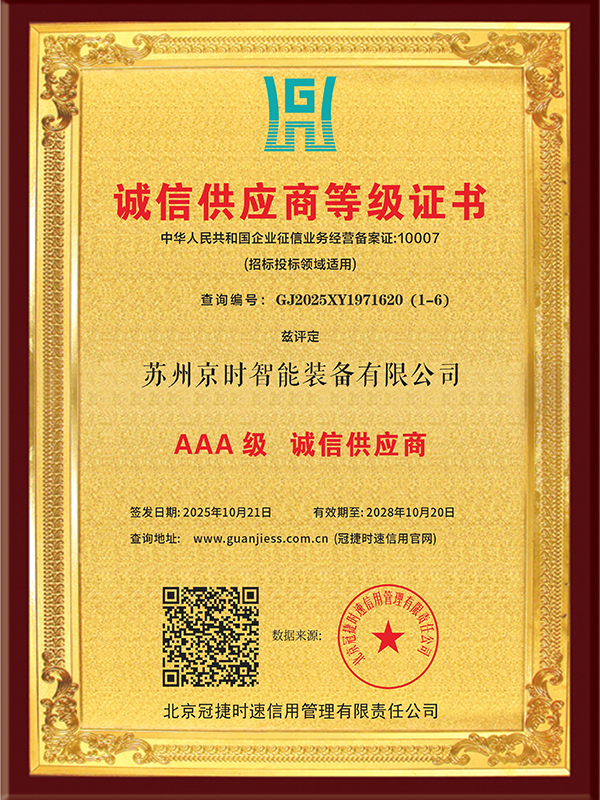
Certificate Of Honor
Stay Connected, Insights & Innovation from JingShi
-

 Industry News
 2026.11.23
When a coil leaves the leveler looking flat on top but curves away from the straightedge, the problem is rarely a mystery for long. In strip processi...
-
Industry News
2026.11.20
Anyone who has spent a shift standing beside a coil car knows the feeling: four machines are bolted to the same foundation, wired to the same cabinet...
-
Industry News
2026.11.14
Anyone who has leveled light-gauge material knows how quickly the job turns stubborn. Push the intermesh a little deeper to chase an edge wave, and t...
-
Industry News
2026.10.26
Walk onto any coil processing floor and you can tell a lot about the operation by what happens after the coil is unloaded. A multi-cut blanking line ...
Contact us
-

-

+ 86 - 4008006155 / + 86 - 512-66064950
-

+ 86 - 13732649503
-

+ 86 - 512-66510623
-

88 Lingshan Road, Xukou Town, Wuzhong District, Suzhou City, Jiangsu Province, China

Copyright © 2025 by Suzhou JingShi Intelligent Equipment Co., Ltd. Rights Reserved. Custom 80 Series Heavy-Duty Medium-to-Heavy Plate CNC Leveling Machine Suppliers
