
 English
 русский
 Español
 عربى
JingShi
JingShi
JingShi
JingShi
JingShi
JingShi
JingShi
JingShi
JingShi
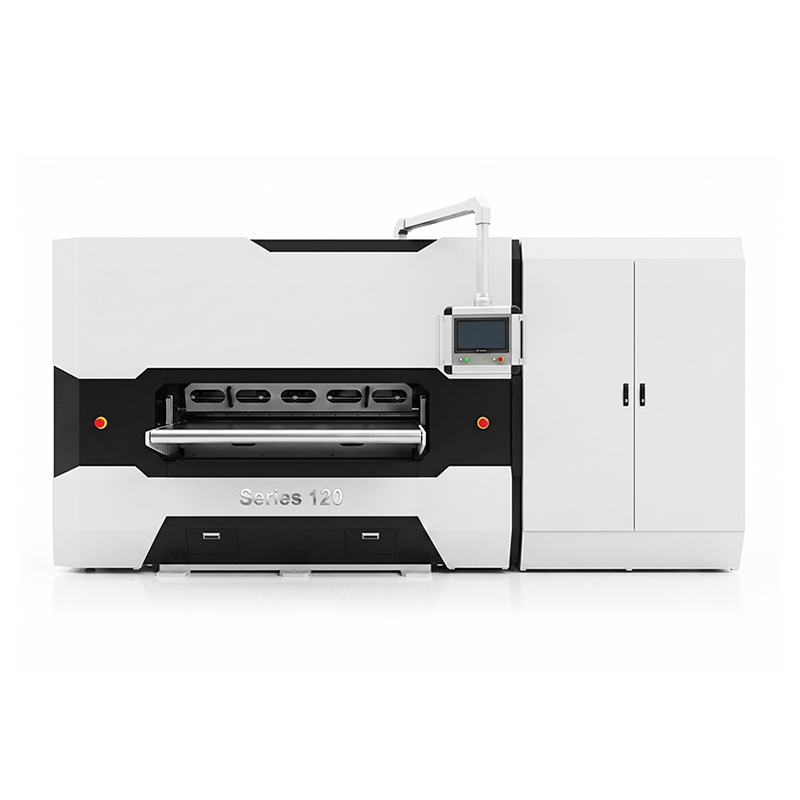
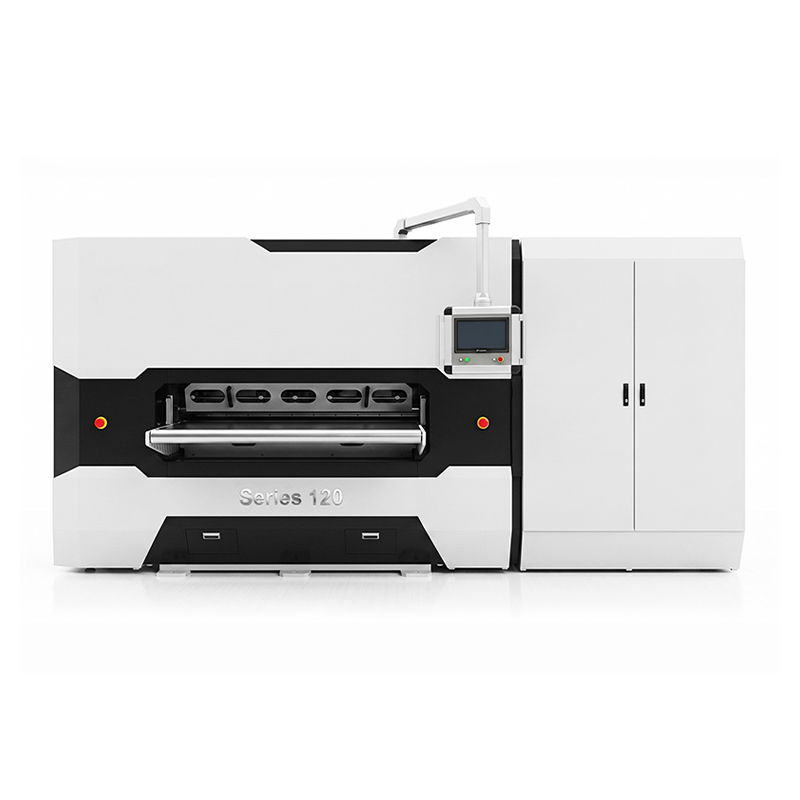
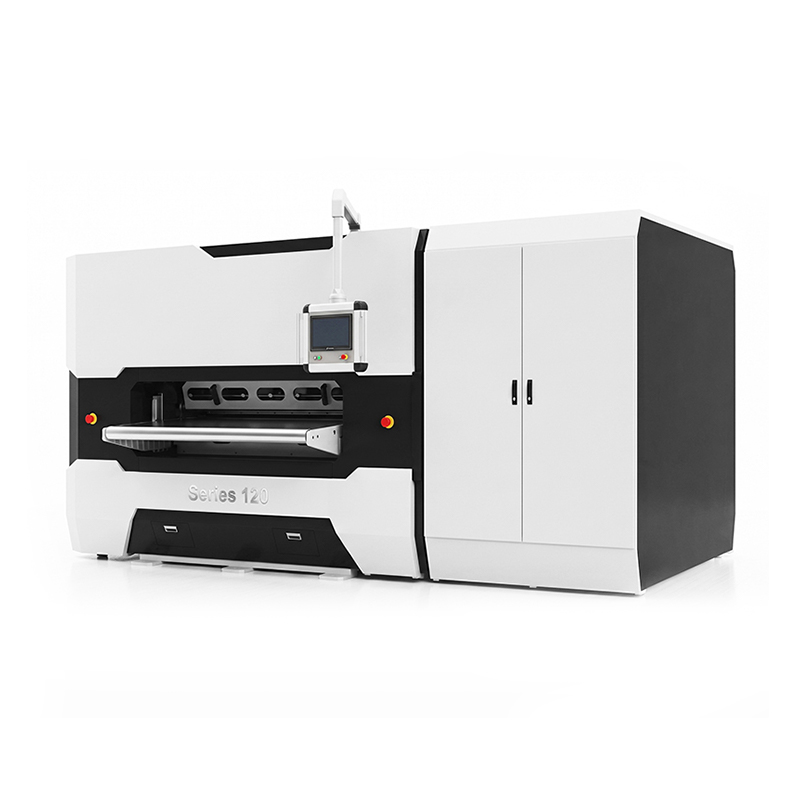
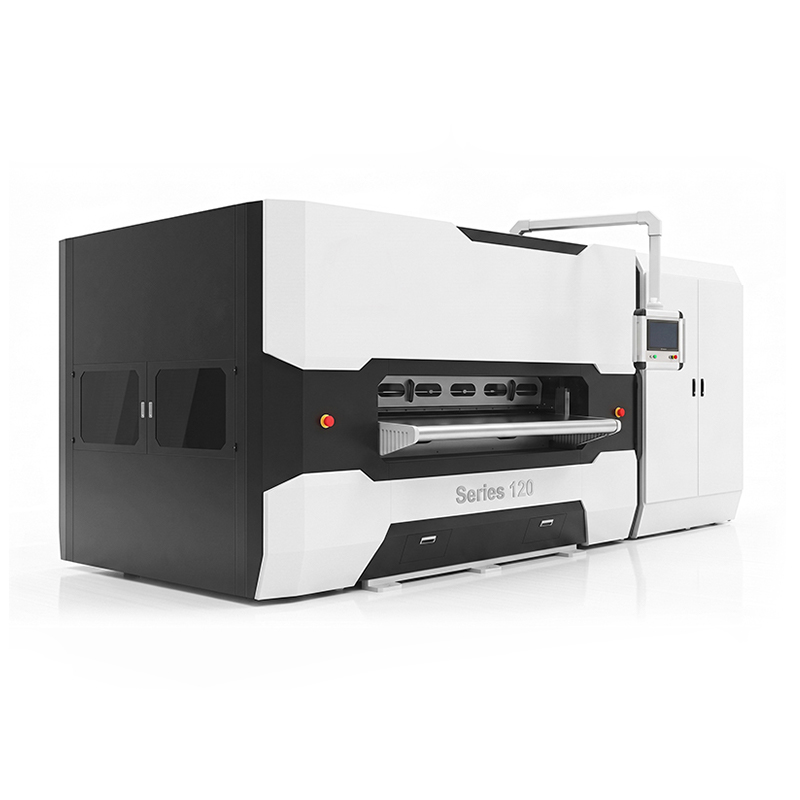
120 Series Heavy Plate Hydraulic Leveling Machine
Remove deep internal stress from thick, high-strength plate with a hydraulic leveling machine built around 120mm rolls, made for heavy equipment manufacturing and precision sheet metal processing.
The 120 Series from Suzhou Jingshi Intelligent Equipment uses 15 or 19 leveling rolls, each 120mm in diameter, and is available in standard working widths of 600, 1000, 1300, 1600, 1900 and 2100mm. It handles materials with a rated thickness of 4.0-20.0mm (maximum 40mm), reaches a leveling accuracy of ≤0.1mm, and runs at an adjustable line speed of 1-10 m/min.
Independent hydraulic cylinders press down the upper rolls under closed-loop control, and a PLC touchscreen stores leveling settings for common materials for one-click recall. Optional configurations include pull-out leveling rollers for quick roller change and cleaning, four/six times leveling rollers, loading/unloading manipulators or palletizing robots, powered or unpowered feeding and discharging roller lines, and uncoiler lines with hydraulic/mechanical cutting or laser cutting blanking.
Send us your material type, thickness, working width and production requirements to receive a recommended configuration and quotation.
- Specification
- About JINGSHI
- Contact Us
| Width of standard series | 600 | 1000 | 1300 | 1600 | 1900 | 2100 |
| Diameter of leveling roller | 120 | 120 | 120 | 120 | 120 | 120 |
| Number of leveling rollers | 15/19 | 15/19 | 15/19 | 15/19 | 15/19 | 15/19 |
| The shortest workpiece length for flattening Lmin (mm) | Lmin=190 | Lmin=190 | Lmin=190 | Lmin=190 | Lmin=190 | Lmin=190 |
| Nominal thickness of leveling material T (mm) | 4.0-20.0 | 4.0-20.0 | 4.0-20.0 | 4.0-20.0 | 4.0-20.0 | 4.0-20.0 |
| Leveling accuracy | The parameters are calculated according to the material Q235/yield strength 235MPa, and the length and width are detected within 1m | |||||
| ≤0.1mm | ≤0.1mm | ≤0.1mm | ≤0.1mm | ≤0.1mm | ≤0.1mm | |
| Straightening line speed (m/min) | Speed adjustable at 1-10m/min | |||||
| voltage | AC three-phase 380V | |||||
| Optional Accessories | 1. Pulling out the flattening roller downwards (convenient for roller quick change and surface cleaning) | 4. Four/six times leveling roller | 7. Number of leveling rollers | |||
| 2. Pulling out the leveling roller (convenient for roller quick change and surface cleaning) | 5. Automatic loading/unloading manipulator/palletizing robot | 8. Uncoiler - Hydraulic/Mechanical Cutting Line | ||||
| 3. Pulling out the roller up and down (convenient for roller quick change and surface cleaning) | 6. Feeding and discharging roller assembly line: with/without power | 9. Uncoiler - laser cutting blanking line | ||||
| Customized requirements | Customer customization requirements are acceptable | |||||
| Remarks | Straighten the pressing gap of materials, input relevant parameters through the touch screen, and the equipment will automatically adjust. | |||||
Before and After Leveling
Advantages
Thick plate and high-strength steel carry heavy residual stress that light levelers cannot reach. The 120 Series Hydraulic Leveling Machine combines large-diameter rolls, hydraulic servo pressing and a rigid frame to relieve that stress through the full thickness of the plate.
- High-Rigidity 120mm Rolls:With a very high section moment of inertia, the 120mm work rolls show virtually no bending when processing thick plate (4-40mm) or high-strength steel. Pressure stays even across the full roll width, which prevents the center-dent and edge-wrinkle problems of smaller rolls and gives consistent transverse flatness.
- Deep Stress Relief:High-torque hydraulic motors drive large-diameter rolls with a larger contact area and greater penetration depth. Staggered upper and lower rolls put the plate through strong alternating tension and compression that reaches the core, upsetting the residual stress balance and flattening the plate from surface to center.
- Progressive Curvature Decay:A multi-roll staggered layout of 15 or 19 rolls forms a deformation channel of gradually decreasing curvature. The plate takes a large reverse bend at the entry and progressively smaller elastic-plastic deformation through the following rolls, leaving it nearly straight at the exit.
- Monolithic Prestressed Frame:The closed frame is cast as one piece or welded from high-strength steel plate, with gusset plates optimized by finite element analysis and internal prestress. It stays stable under very high leveling forces, so frame deformation does not affect leveling accuracy.
- Hydraulic Servo Roll-Down Control:Independent high-precision cylinders drive the upper rolls, with displacement and pressure sensors forming a closed loop. The roll-down at each roll position can be set to suit the material, thickness and deformation, while automatic pressure holding and overload protection keep operation steady and safe.
- Lubrication, Cooling and Digital Control:Centralized automatic lubrication and roll surface cooling sprays limit heat build-up and thermal expansion of the roll gap. The PLC touchscreen holds a database of leveling settings for common materials such as Q235, Q345, stainless steel and aluminum alloy, shows hydraulic pressure, oil temperature and roll gap status, and runs automatic fault diagnosis, so less operator experience is needed.
Applications
The 120 Series suits heavy industries with strict requirements for plate flatness.
- Construction and Mining Machinery:Pre-treats thick plate components such as excavator booms, crane undercarriages and mine car bodies, releasing internal stress before welding so the parts do not distort afterwards.
- Shipbuilding and Offshore Engineering:Levels extra-long and extra-wide plates for ship decks and bulkheads, removing the natural curvature left in hot-rolled coil after uncoiling.
- Pressure Vessel and Boiler Manufacturing:Gives plate for vessel shells a high degree of flatness, which improves alignment accuracy and reduces weld defects.
FAQ
-
Q: What thickness and materials can the 120 Series level?
A: The rated thickness is 4.0-20.0mm with a maximum of 40mm, based on Q235 steel. The machine is designed for plate with high yield strength, great thickness and heavy residual stress, and its stored settings cover common materials including Q235, Q345, stainless steel and aluminum alloy.
-
Q: How does the machine make setup easier for operators?
A: The PLC touchscreen includes a database of leveling settings for common materials and supports one-click recall. It also shows hydraulic pressure, oil temperature and roll gap in real time and diagnoses faults automatically, which reduces the need for experienced operators.
-
Q: Why use hydraulic pressing rather than mechanical adjustment for thick plate?
A: Hydraulic pressing gives flexible, accurate pressure control. Each upper roll is driven by its own cylinder with displacement and pressure sensors in a closed loop, so the roll-down amount can be set per roll position. Automatic pressure holding keeps pressure constant during continuous operation, and overload protection safeguards the machine.
Founded in 2016, Suzhou JingShi Intelligent Equipment Co., Ltd. is an integrated high-tech enterprise combining research, manufacturing, and trade. 120 Series Heavy Plate Hydraulic Leveling Machine Manufacturers and 120 Series Heavy Plate Hydraulic Leveling Machine Suppliers. We focus on deliver high precision, efficiency, and stability to global manufacturers.
Our core team brings over a decade of expertise in metal forming and finishing, mastering system-level R&D from structural design to hydraulic control and automation integration. 120 Series Heavy Plate Hydraulic Leveling Machine OEM/ODM Custom. We drive growth through technological innovation and continuous improvement.
Recommended Products
-
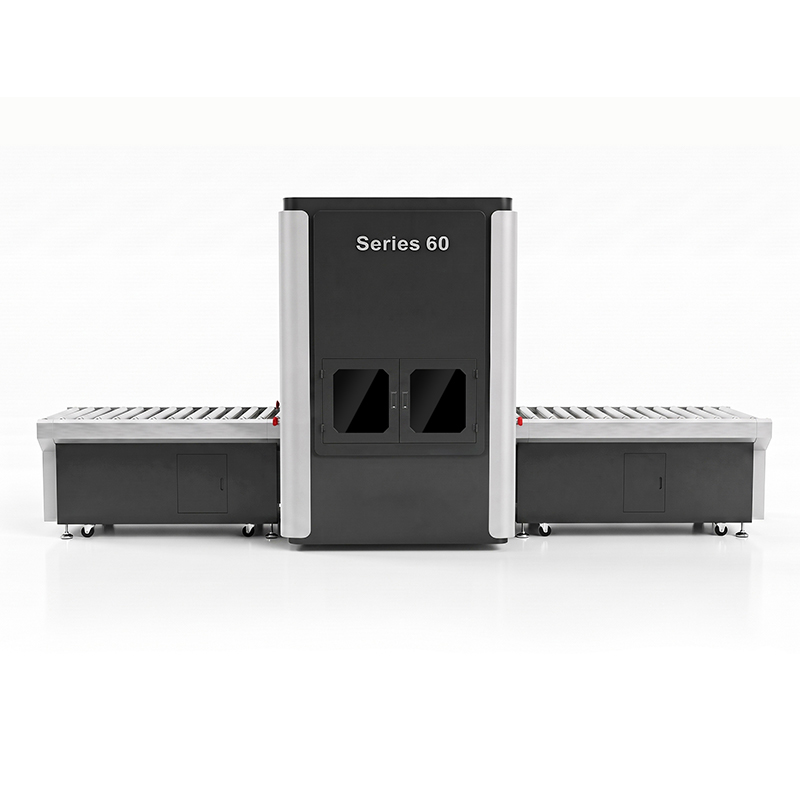

60 Series Hydraulic Servo Heavy Plate CNC Leveling Machine
-
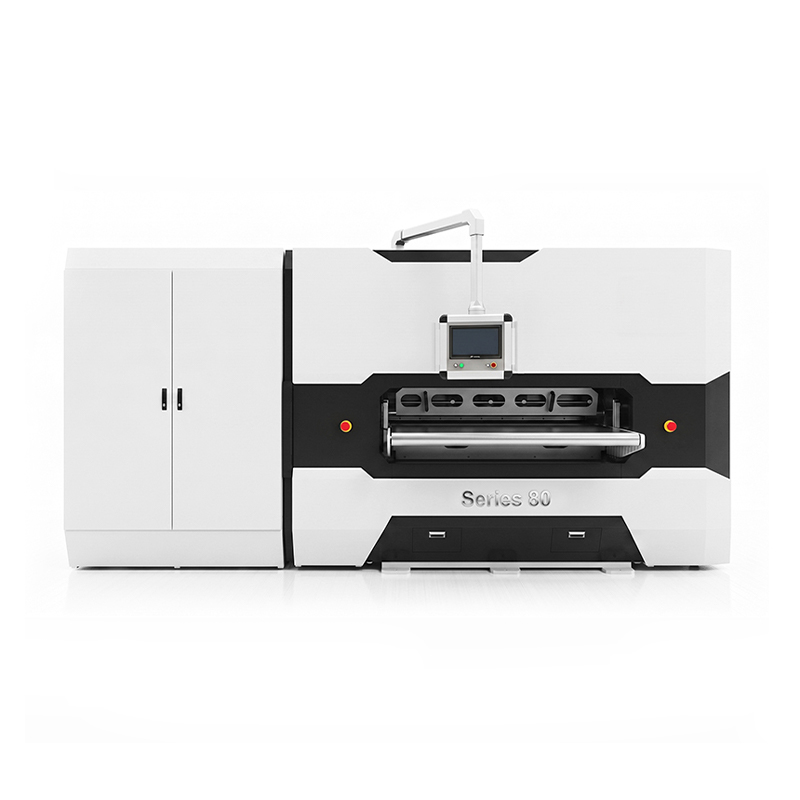
80 Series Heavy-Duty Plate Hydraulic Ultra-Precision Leveling Machine
-
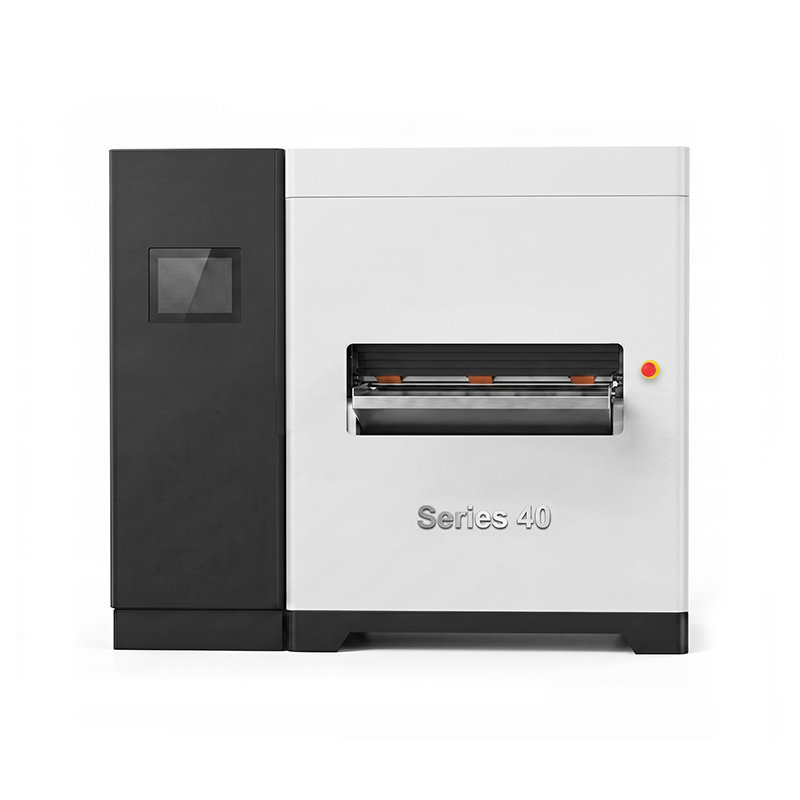
40 Series Heavy-Duty Hydraulic Precision Leveling Machine
-
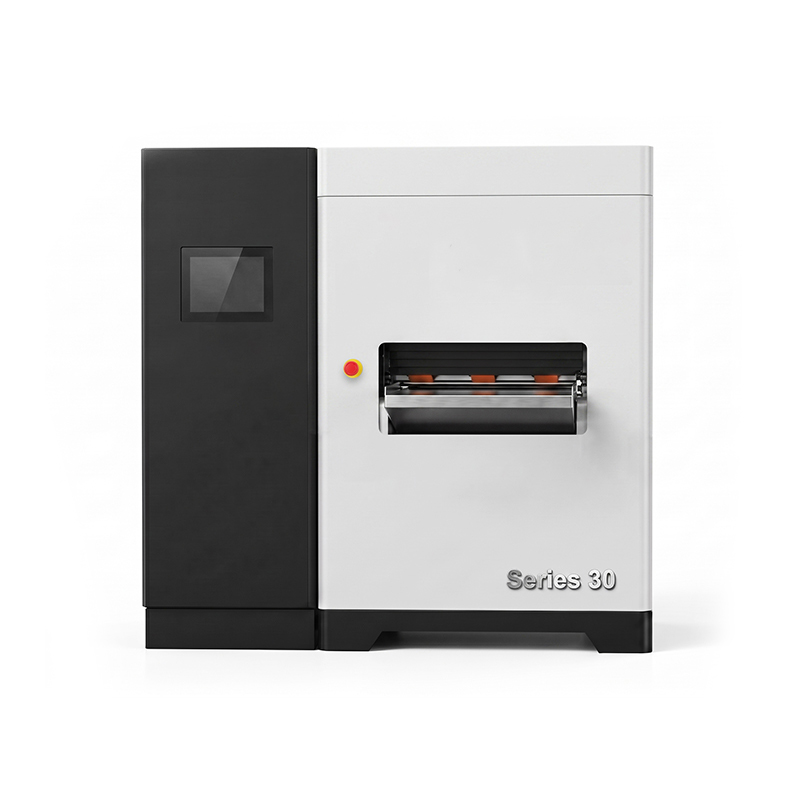
30 Series Thin Plate Hydraulic Servo Precision Leveling Machine
-
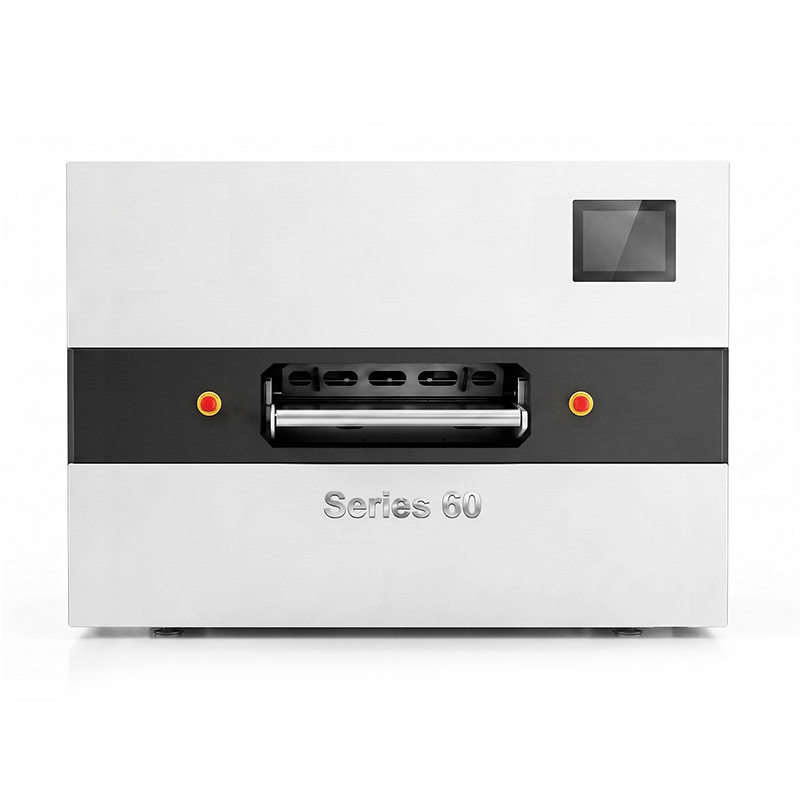
60 Series Thick Plate High-Efficiency Hydraulic Leveling Machine
-
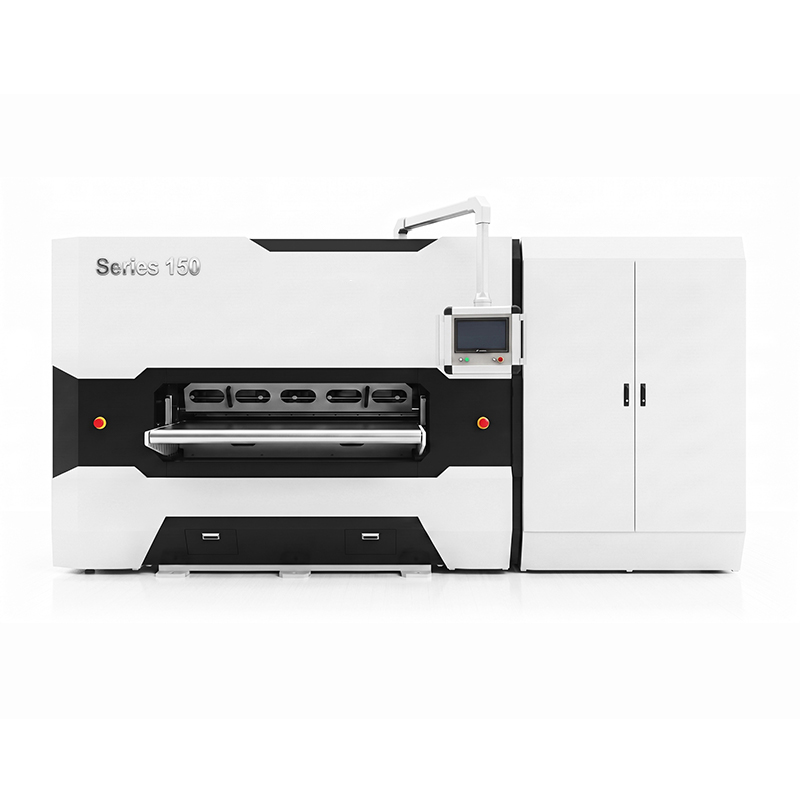
150 Series Extra-Thick Plate Hydraulic Leveling Machine
JingShi Intelligent
Technology Leads, Precision Craftsmanship
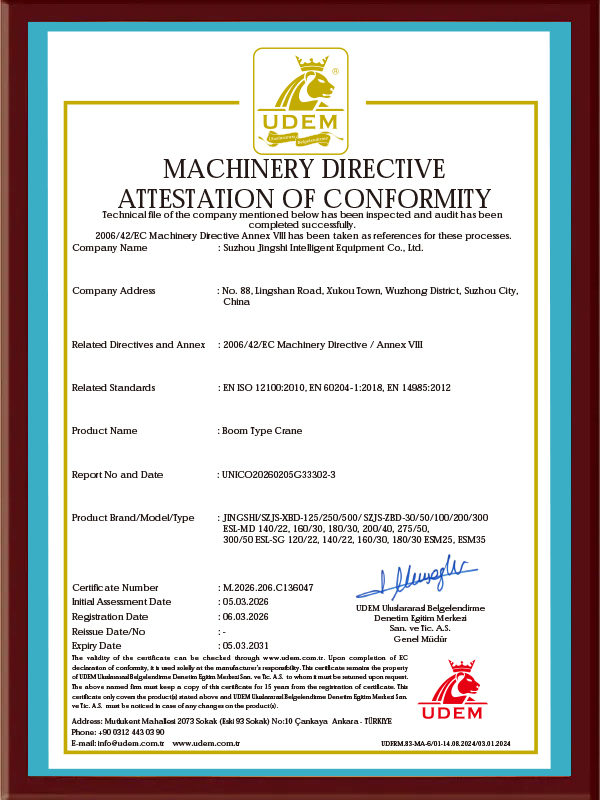
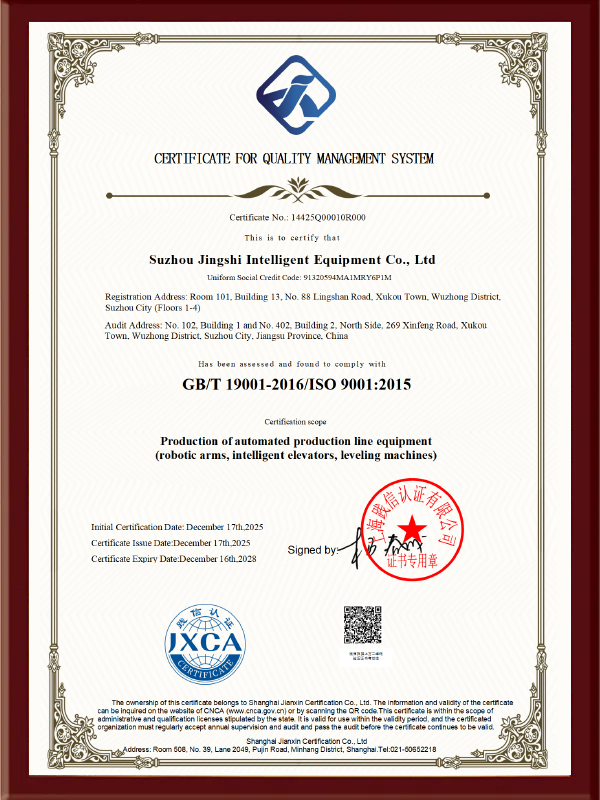
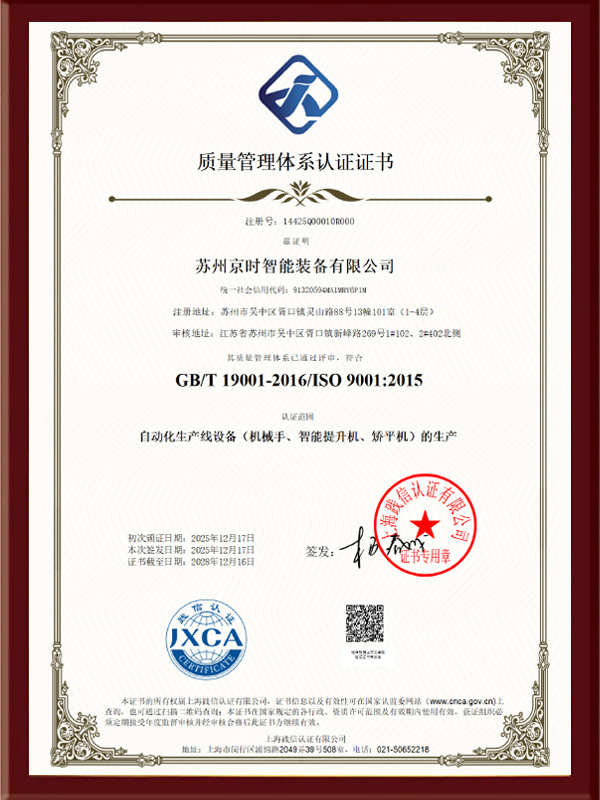
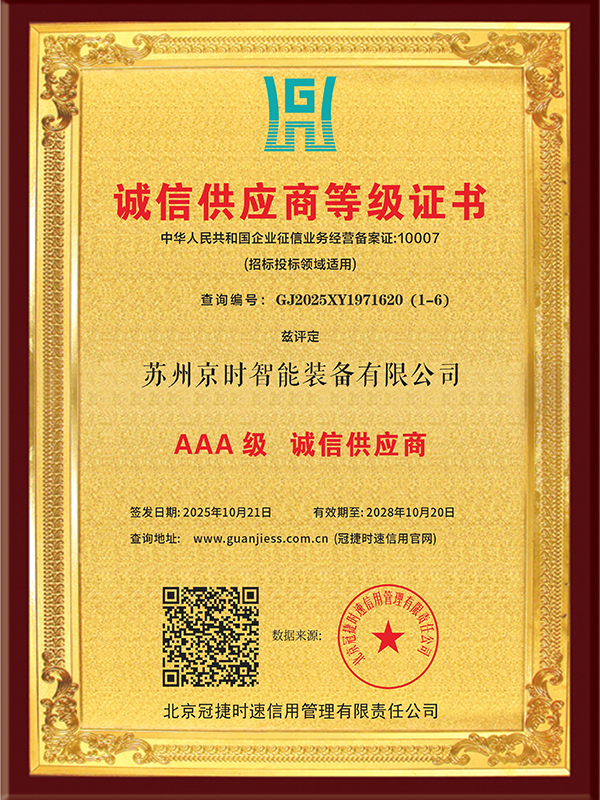
JingShi Intelligent boasts a strong R&D team comprising mechanical designers, hydraulic engineers, and automation experts, capable of end-to-end system development from structural design to full line control. We are China 120 Series Heavy Plate Hydraulic Leveling Machine Factory. With a manufacturing area of 2,557.97 m² and advanced assembly and inspection facilities, we operate under strict quality management standards.
Each machine undergoes comprehensive testing — including flatness precision, load performance, and noise assessment — to ensure long-term stability and reliability that meets international requirements.
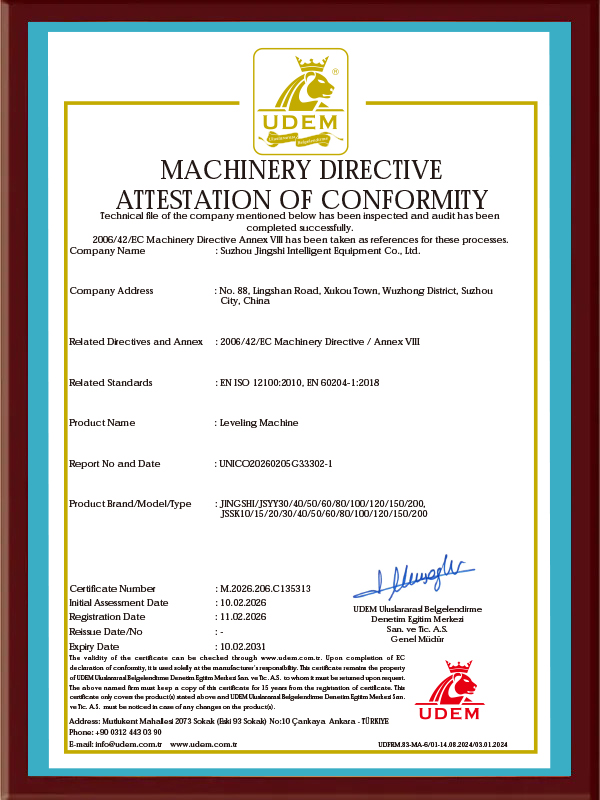
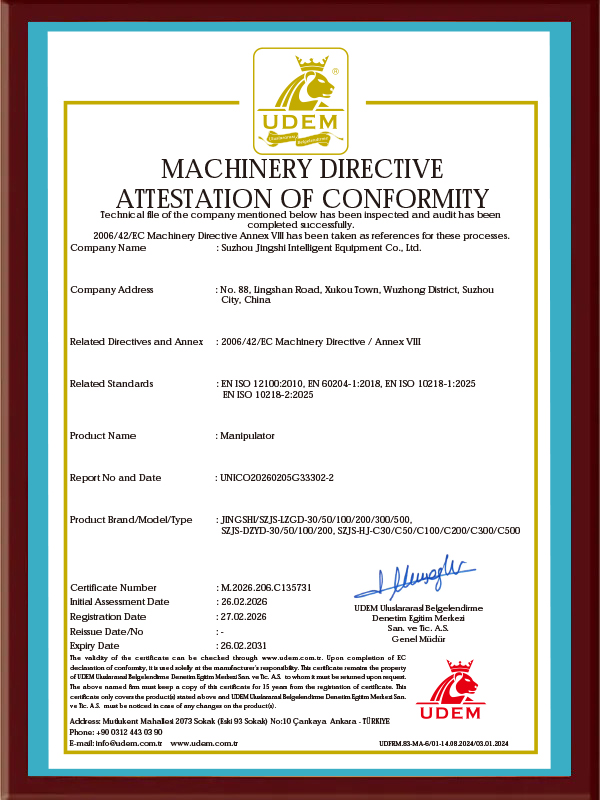
Certificate Of Honor
Stay Connected, Insights & Innovation from JingShi
-

 Industry News
 2026.11.23
When a coil leaves the leveler looking flat on top but curves away from the straightedge, the problem is rarely a mystery for long. In strip processi...
-
Industry News
2026.11.20
Anyone who has spent a shift standing beside a coil car knows the feeling: four machines are bolted to the same foundation, wired to the same cabinet...
-
Industry News
2026.11.14
Anyone who has leveled light-gauge material knows how quickly the job turns stubborn. Push the intermesh a little deeper to chase an edge wave, and t...
-
Industry News
2026.10.26
Walk onto any coil processing floor and you can tell a lot about the operation by what happens after the coil is unloaded. A multi-cut blanking line ...
Contact us
-

-

+ 86 - 4008006155 / + 86 - 512-66064950
-

+ 86 - 13732649503
-

+ 86 - 512-66510623
-

88 Lingshan Road, Xukou Town, Wuzhong District, Suzhou City, Jiangsu Province, China

Copyright © 2025 by Suzhou JingShi Intelligent Equipment Co., Ltd. Rights Reserved. Custom 120 Series Heavy Plate Hydraulic Leveling Machine Suppliers
