
 English
 русский
 Español
 عربى
Pressure Vessel Plate Leveling for Oil & Gas Tanks | JingShi
In pressure-containing plate, a scratch or indentation left by the leveler is not a cosmetic flaw. It can become a stress concentration point that affects pressure resistance and safety. We control roller surface quality, roll gap accuracy and unit pressure to avoid secondary defects, and we limit the deformation to what the material and thickness require, which keeps residual stress down. The process can be validated against your material standard and inspection requirements. For this work we recommend our 80 Series hydraulic ultra-precision leveler.
Why Surface Marks Matter on Pressure-Rated Plate
Plate for oil and gas pipelines and storage tanks must meet pressure vessel standards, and those standards leave little room for damage introduced during processing. A leveler is supposed to improve the plate, yet three conditions can make it leave something worse behind:
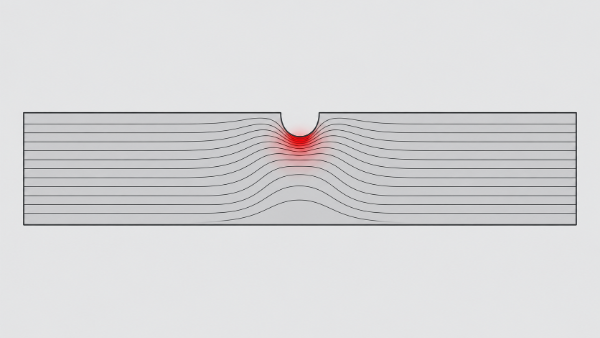
A scratch or indentation acts as a notch, and stress concentrates at its root when the part is under pressure.
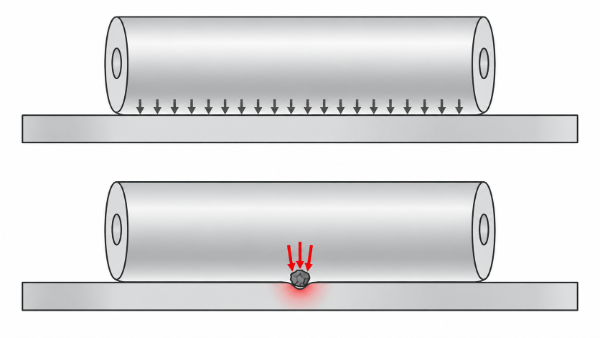
Wear, scratches or embedded debris on a roller are copied onto the plate surface every time it passes.
Too much unit pressure or deformation can mark the surface and also store residual stress inside the plate.
For pressure-containing parts, surface damage is a safety question as well as an appearance question. A marked plate can be rejected at inspection or sent for rework, and a mark that goes unnoticed stays in the structure as a weak point.
Agree on how surface condition and residual stress will be checked, and which inspection method your material standard requires, before the plate is leveled, not after.
How We Level Without Leaving Micro Damage
Our approach is to treat the roller surface, the roll gap and the pressure as the three things that decide whether the plate comes out clean. Four steps make that work in practice.
Start from Material Standard and Plate Data
Material grade, thickness and yield strength set how much deformation the plate needs, and your material standard and inspection requirements set what surface condition is acceptable. Our pre-sales team reviews your drawings or samples before a configuration is proposed.
Protect the Plate with Roller Surface Quality
The roller surface is what touches the plate, so we treat it as part of the process. Roller material and surface treatment can be matched to the plate material, and optional roller pull-out structures make cleaning and roller changes quicker, so debris does not stay on a roller and print into the next plate.
Control Roll Gap Accuracy and Unit Pressure
On the 80 Series, servo closed-loop control reads displacement and pressure in real time and adjusts the roll gap and pressure. A full-support backup roll structure spreads the force evenly, so pressure does not concentrate at one point. We set the deformation for each material and thickness at what the plate needs, no more, which reduces residual stress.
Validate the Process Against Your Inspection Requirements
We offer sample testing and trial runs to validate flattening accuracy before purchase, and the process can be validated against your material standard and inspection requirements. Once a setting is verified for a material and thickness, it can be saved as a recipe and repeated.
Which JingShi Leveler Fits Pressure-Rated Plate
For pressure-rated plate we recommend the 80 Series, with its key figures below.
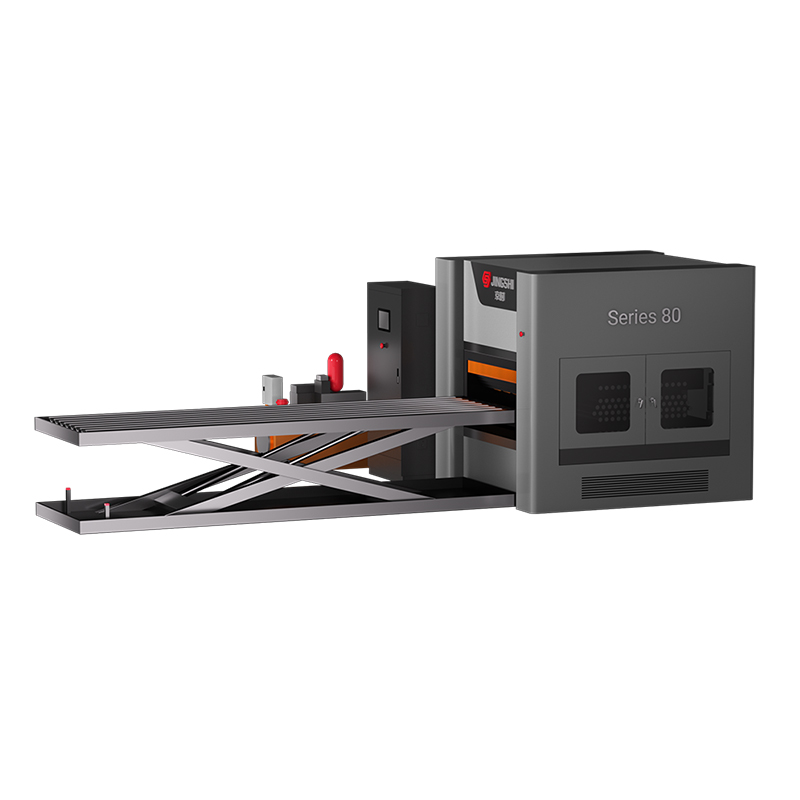 Recommended model 80 Series Heavy-Duty Plate Hydraulic Ultra-Precision Leveling Machine Servo closed-loop hydraulic leveling for heavy plate up to 25 mm, with a full-support backup roll structure and 80 mm rollers. View product details →
The accuracy figure is measured on Q235 reference material (235 MPa yield strength). Pressure vessel steels differ in strength and thickness, so we confirm the configuration and the surface result on your own plate before you decide.
| Requirement | Recommended configuration | Why it fits |
|---|---|---|
| No scratches or indentations | Roller material and surface treatment matched to the plate, with optional roller pull-out | Keeps the roller surface clean and quick to change, so marks are not printed onto the plate |
| Even pressure across the plate | Full-support backup roll structure | Multiple rows of backup rolls support the working rolls and spread the force evenly |
| Precise roll gap and pressure | Servo closed-loop control with displacement sensors and pressure transducers | Adjusts the gap and pressure in real time instead of relying on a fixed setting |
| Different grades and thicknesses | Touch-screen parameter input with saved recipes | Repeats a verified setting for each material and thickness |
| Heavy plate moving through the line | Optional loading/unloading manipulator or palletizing robot, with powered feed and discharge conveyors | Reduces manual handling of heavy plate around the machine |
| Plate thicker than 25 mm | 100 Series (max 30 mm) or a custom configuration | Rollers, frame and hydraulic capacity are sized to your plate |
For plate up to 30 mm, see our 100 Series Large Workpiece Hydraulic Precision Leveling Machine. For thinner plate, our 60 Series Thick Plate High-Efficiency Hydraulic Leveling Machine covers 1.0 to 8.0 mm, up to 15 mm.
- Plate grade, yield strength and the material standard that applies
- Thickness range, width and length
- Surface condition requirements and how they are inspected
- Residual stress requirements, if any
- The problem you see: surface marks, waves, or distortion after cutting or welding
- Target flatness and how it is measured
- Required output
As a professional Pressure Vessel Plate Leveling for Oil & Gas Tanks Manufacturer and a reliable Leveling Machine Supplier in China, we offer customized solutions tailored to your materials and production needs. Our equipment is widely used in automotive parts, precision sheet metal, elevator components, agricultural machinery, saw blades, precision stamping, profile manufacturing, and electrical applications. Through continuous innovation and technical excellence, JingShi has become a trusted partner for manufacturers around the world.



