
 English
 русский
 Español
 عربى
عربى
JingShi
JingShi
JingShi
JingShi
JingShi
JingShi
JingShi
JingShi
JingShi
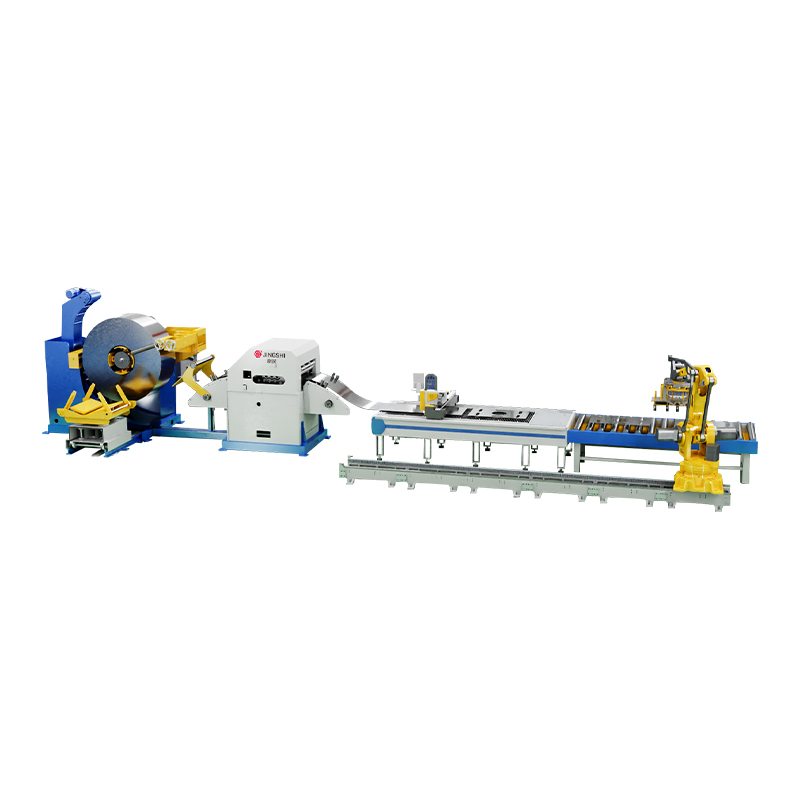
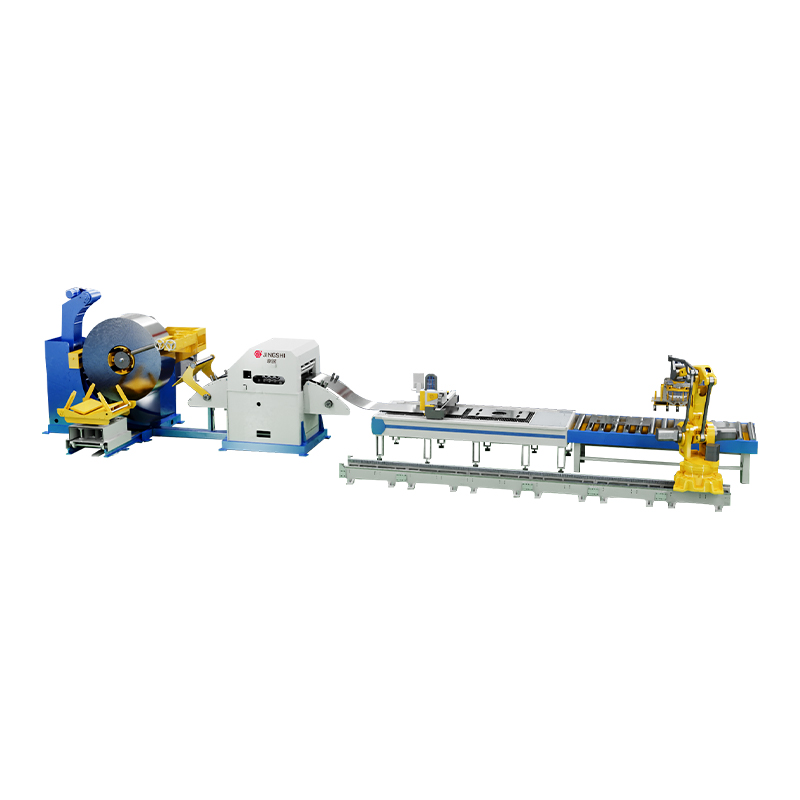
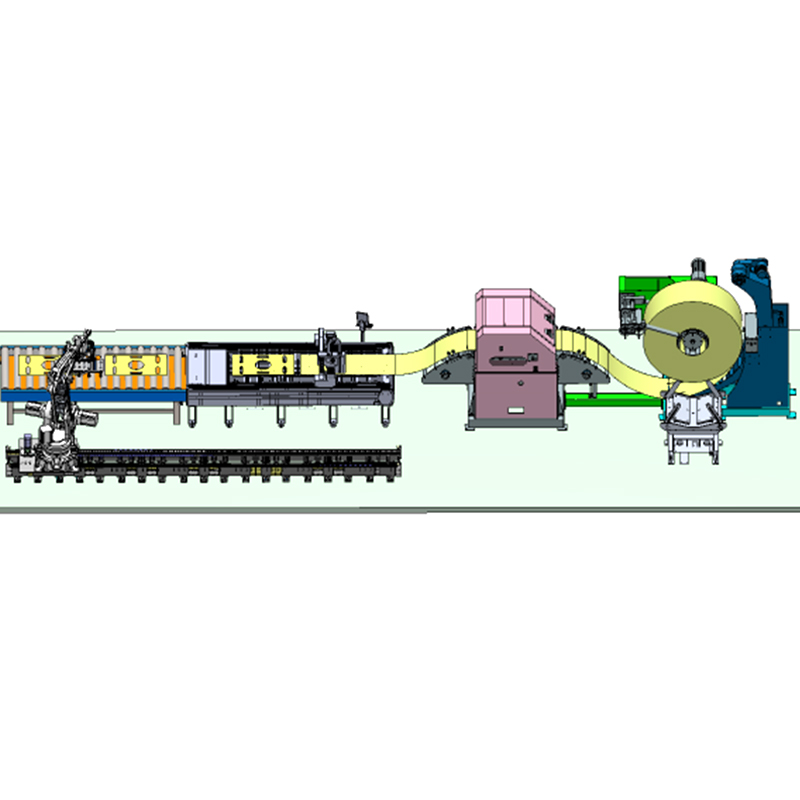
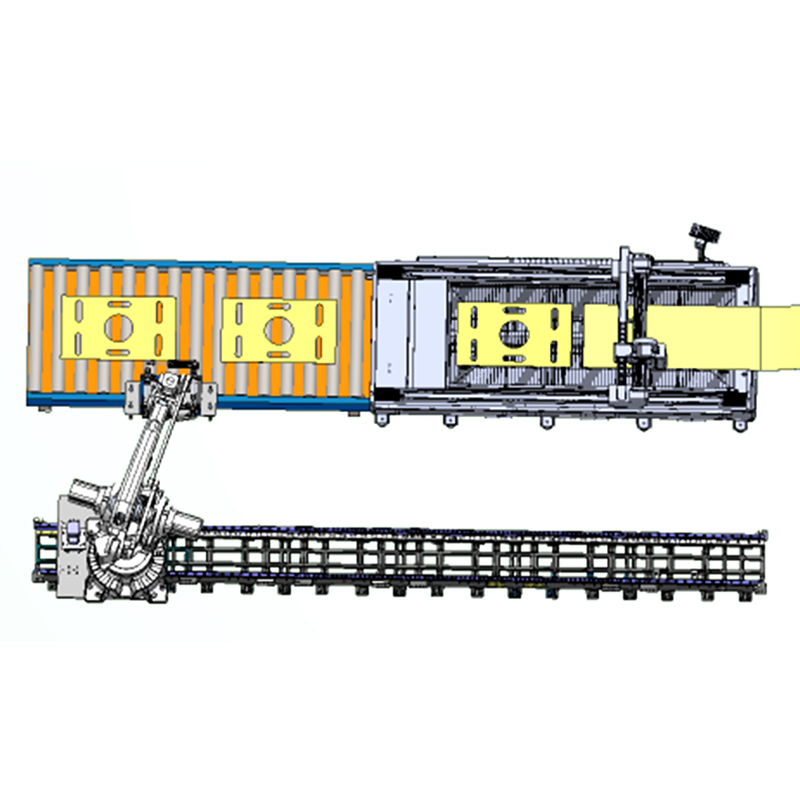
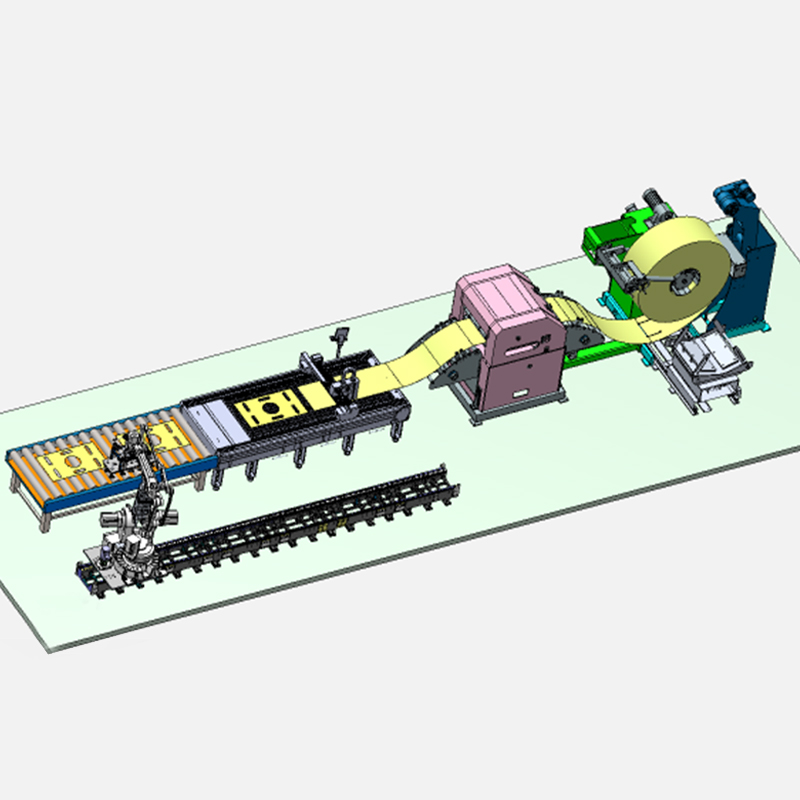
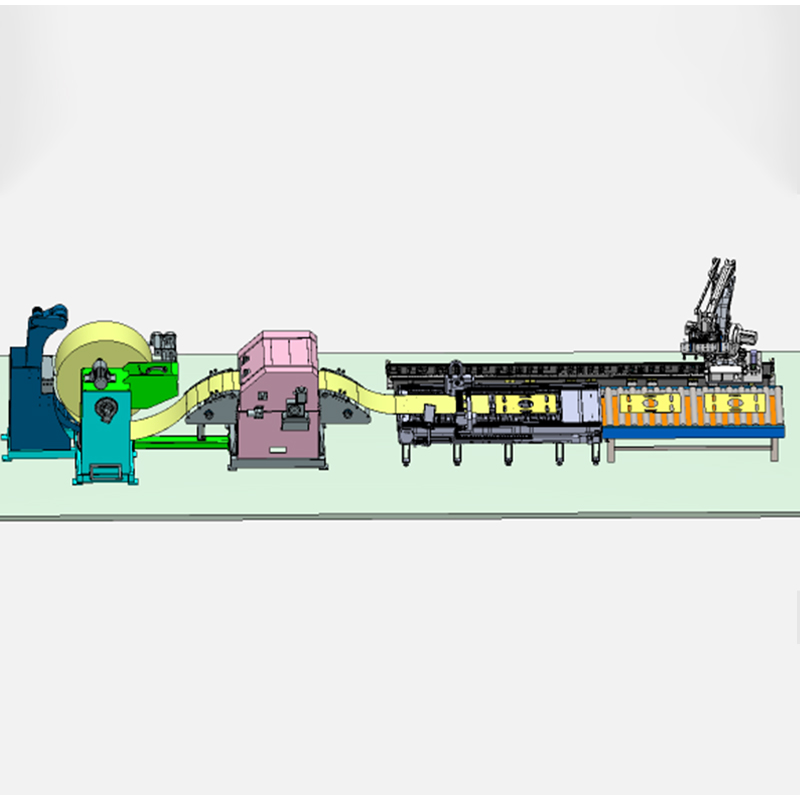
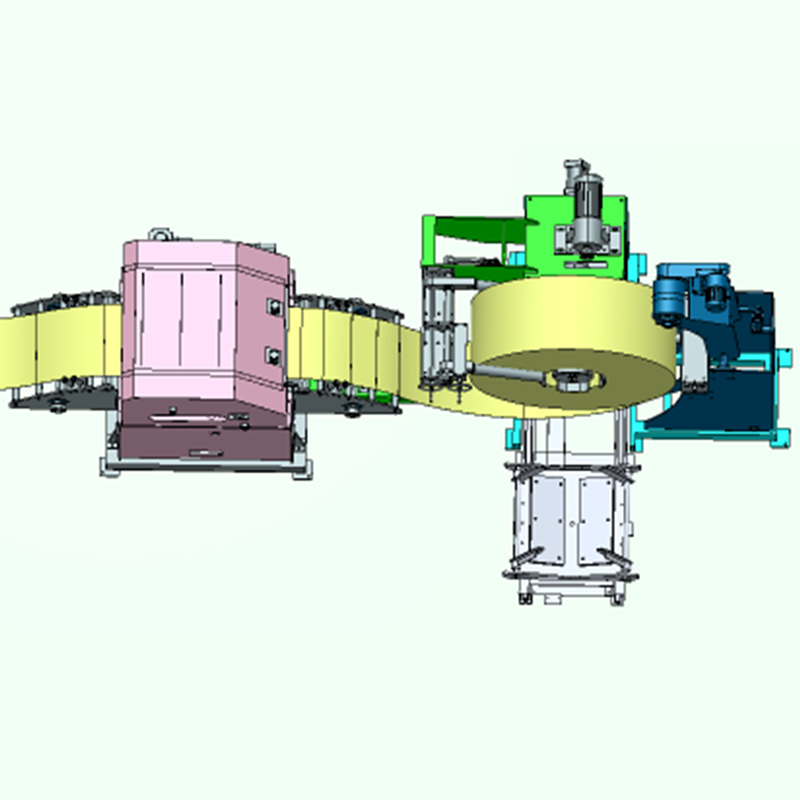
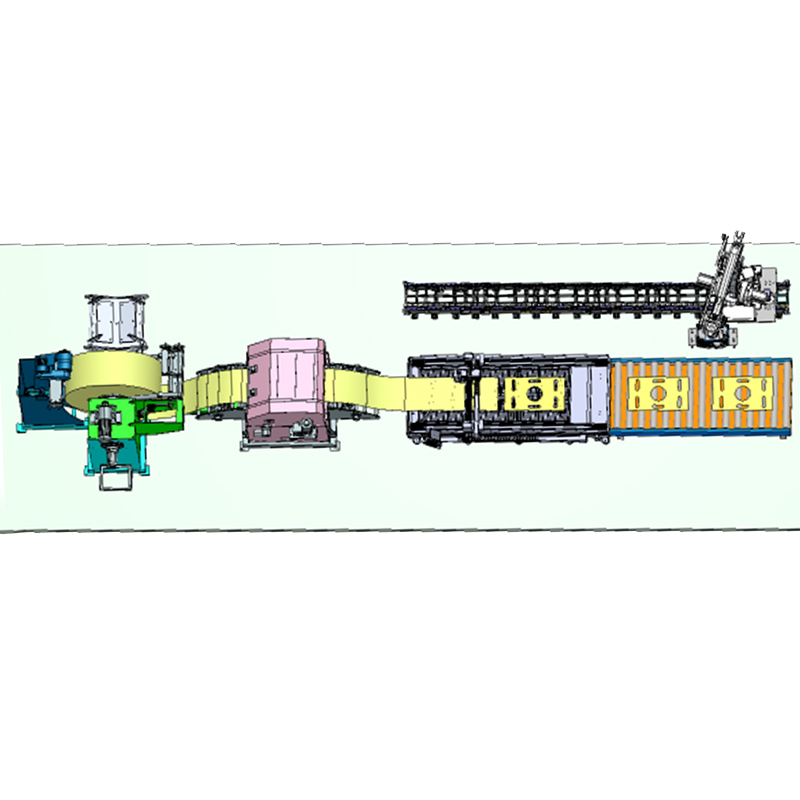
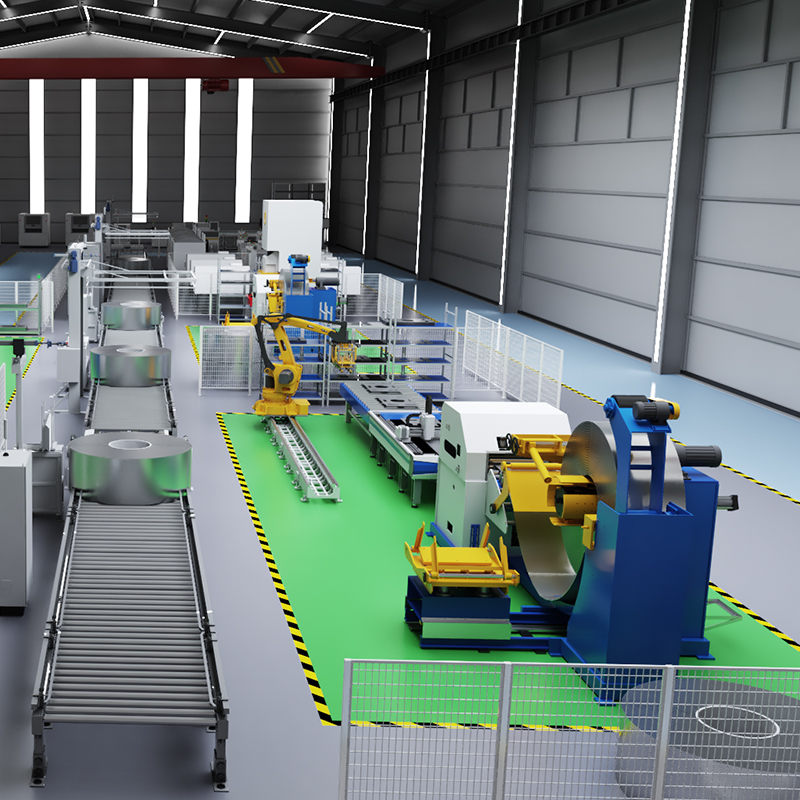
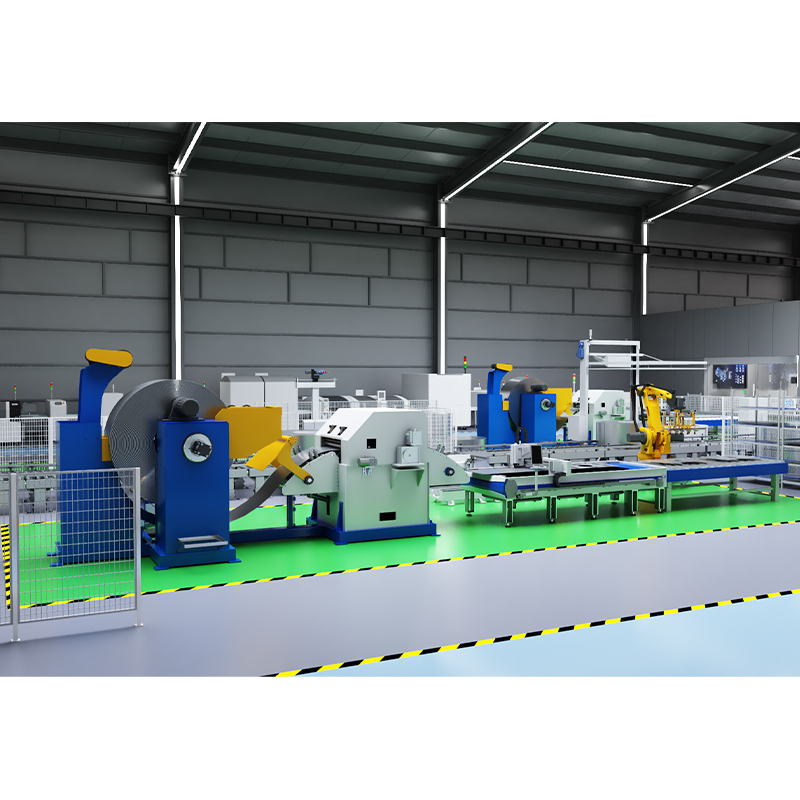
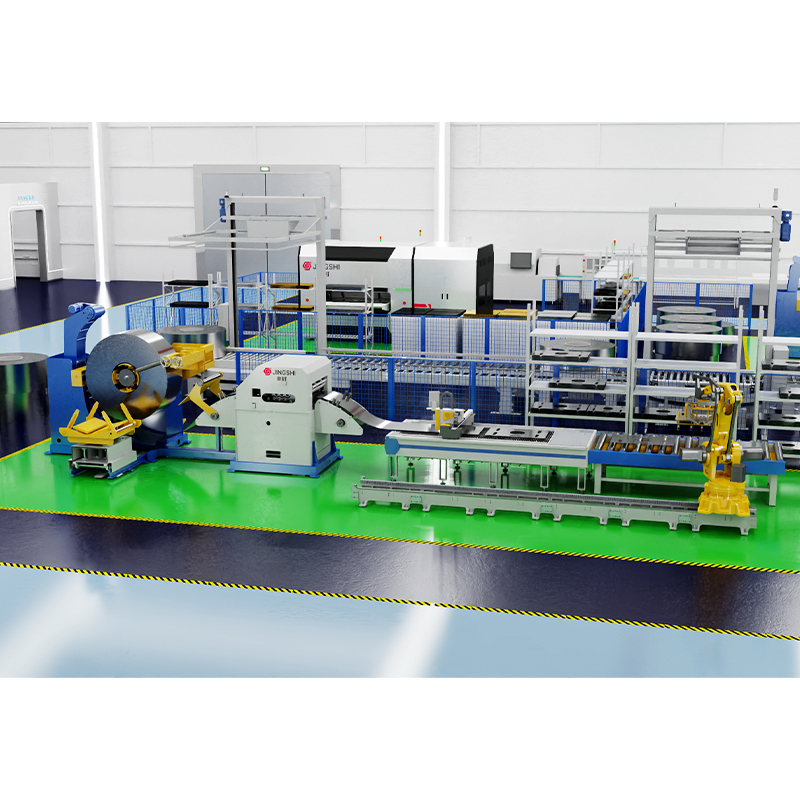
Decoiling Leveling Laser Blanking Line
JingShi's integrated decoiling, leveling, and laser blanking line eliminates dies. Features intelligent nesting to boost material utilization by 8-15%.
- Specification
- About JINGSHI
- Contact Us
Decoiling, Leveling, and Laser Blanking Line: Redefining Flexible Metal Fabrication
Introduction - Core Pain Points & Solution
From Steel Coil to Finished Parts: The Ultimate Flexible Manufacturer
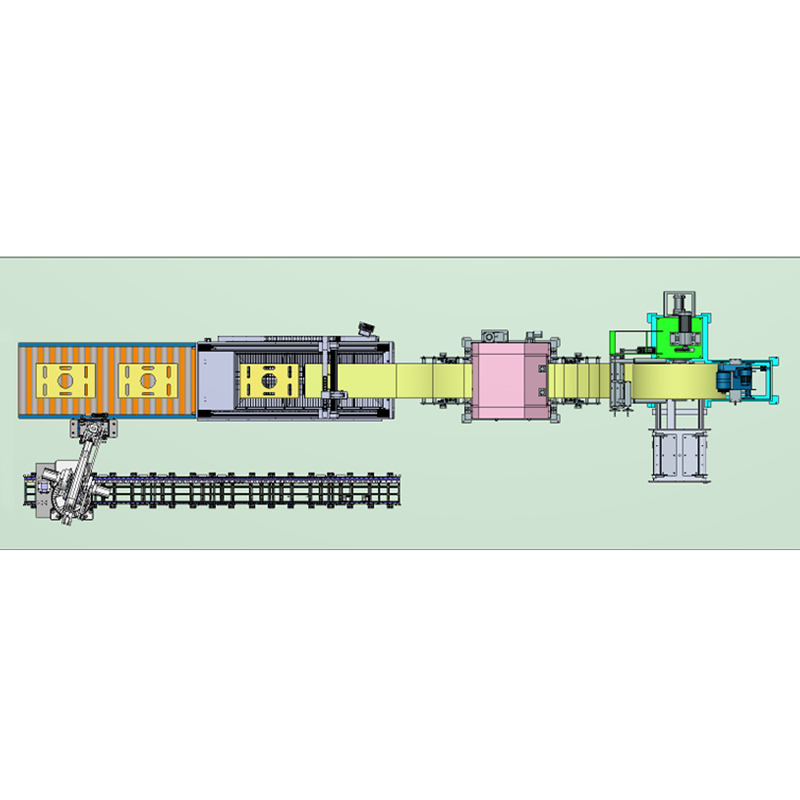
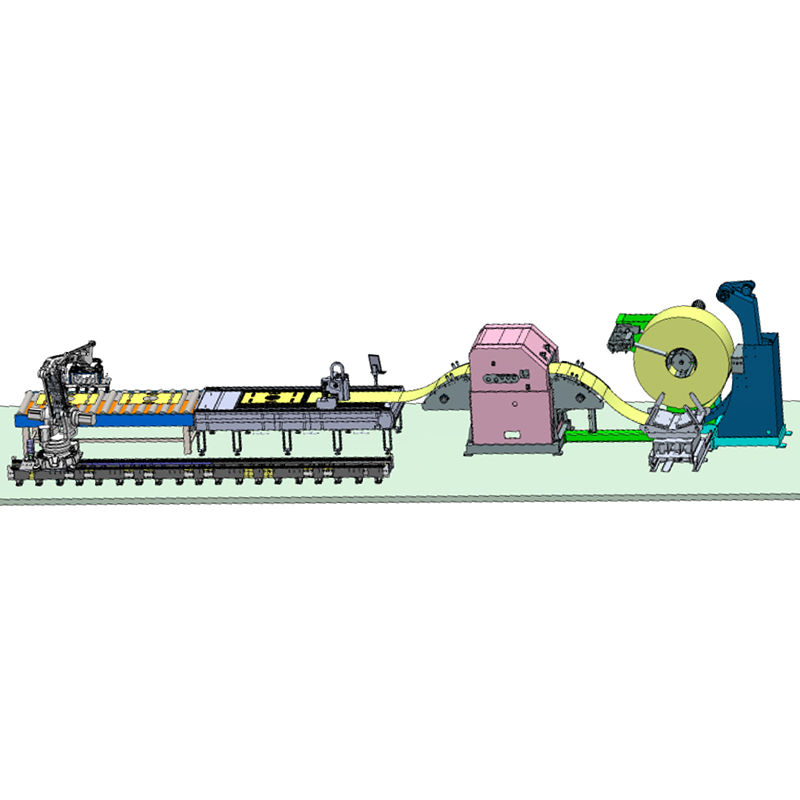
Traditional stamping and blanking processes are often plagued by high die costs, long changeover times, and low material utilization. The JingShi Decoiling, Leveling, and Laser Blanking Line revolutionizes this workflow by integrating five key processes—decoiling, precision leveling, servo feeding, laser cutting, and automatic stacking—into one continuous automated production line. Without the need for any hard dies, this system achieves precise blanking of complex parts directly from coils, making it the ideal solution for high-mix, low-volume production in the automotive, energy storage, and appliance industries.
Core Technology: Intelligent Nesting & Precision Leveling
Intelligent Continuous Nesting for Maximum Yield
Unlike traditional single-sheet cutting, our blanking line utilizes an advanced continuous coil processing mode. Powered by robust CAM intelligent nesting software, the system optimizes part layout across hundreds of meters of coil length. This significantly minimizes lead and tail scrap and allows for tight, common-line nesting. Compared to traditional blanking methods, this technology boosts material utilization by 8% to 15%, delivering direct and substantial cost savings for your business.
High-Rigidity Precision Leveling & Surface Protection
To counter the springback and waviness common in high-strength steel and aluminum, the line is equipped with a high-rigidity multi-roll precision leveler (available in 19-roll or 21-roll configurations). By repeatedly bending the material to eliminate internal stress, we ensure the strip achieves exceptional flatness (tolerance ≤ 0.5mm/m²) before entering the cutting zone. Furthermore, the cutting platform utilizes a floating belt support system combined with a non-marking sorting mechanism, completely preventing surface scratches and meeting the strict aesthetic standards of automotive exterior panels.
Industry Applications: Empowering Automotive & New Energy Manufacturing
Automotive Lightweighting & Custom Parts
For difficult-to-process materials like high-strength steel and aluminum alloys, this laser blanking line eliminates concerns about die wear or aluminum chip buildup. Whether it is engine hoods, door inner panels, or complex chassis structural parts, the system enables rapid changeovers and bevel cutting, preparing parts directly for the welding process.
Efficient Production for Energy Storage & Home Appliances
In the production of energy storage battery trays, cabinets, and housings for refrigerators or washing machines, orders often require "high variety, small batches." Our equipment allows for program-based changeovers in as little as 10 minutes. Combined with an automatic stacking system, it achieves a fully unmanned workflow from coil loading to neatly stacked finished products.
FAQ
Q: What is the biggest advantage of a laser blanking line compared to a traditional stamping line?
A: The primary advantages are being "die-less" and "highly flexible." Traditional stamping requires expensive dies and time-consuming changeovers. In contrast, the laser blanking line cuts any shape via software control. This not only saves hundreds of thousands in die investments but also increases material utilization by 8%-15% through intelligent nesting, making it perfect for R&D and diverse production runs.
Q: Can the equipment handle high-strength steel and aluminum? How is surface scratching prevented?
A: Absolutely. Our line features a specialized precision leveler capable of processing high-strength steel (up to 1200MPa yield strength) and aluminum alloys. To prevent scratches, the cutting platform uses floating belt support instead of traditional serrated chains, and the sorting stage employs magnetic or vacuum suction manipulators, ensuring a flawless surface finish for high-standard automotive exterior parts.
Q: How automated is the production line? How many operators are needed?
A: The line features a high degree of automation, covering the entire process from coil loading to finished product stacking. Typically, only one operator is required to monitor parameters via the touchscreen interface. Compared to traditional single-machine processing, this can save 5-7 laborers, significantly reducing operational costs.
Founded in 2016, Suzhou JingShi Intelligent Equipment Co., Ltd. is an integrated high-tech enterprise combining research, manufacturing, and trade. Decoiling Leveling Laser Blanking Line Manufacturers and Decoiling Leveling Laser Blanking Line Suppliers. We focus on deliver high precision, efficiency, and stability to global manufacturers.
Our core team brings over a decade of expertise in metal forming and finishing, mastering system-level R&D from structural design to hydraulic control and automation integration. Decoiling Leveling Laser Blanking Line OEM/ODM Custom. We drive growth through technological innovation and continuous improvement.
Our core team brings over a decade of expertise in metal forming and finishing, mastering system-level R&D from structural design to hydraulic control and automation integration. Decoiling Leveling Laser Blanking Line OEM/ODM Custom. We drive growth through technological innovation and continuous improvement.
Recommended Products
-
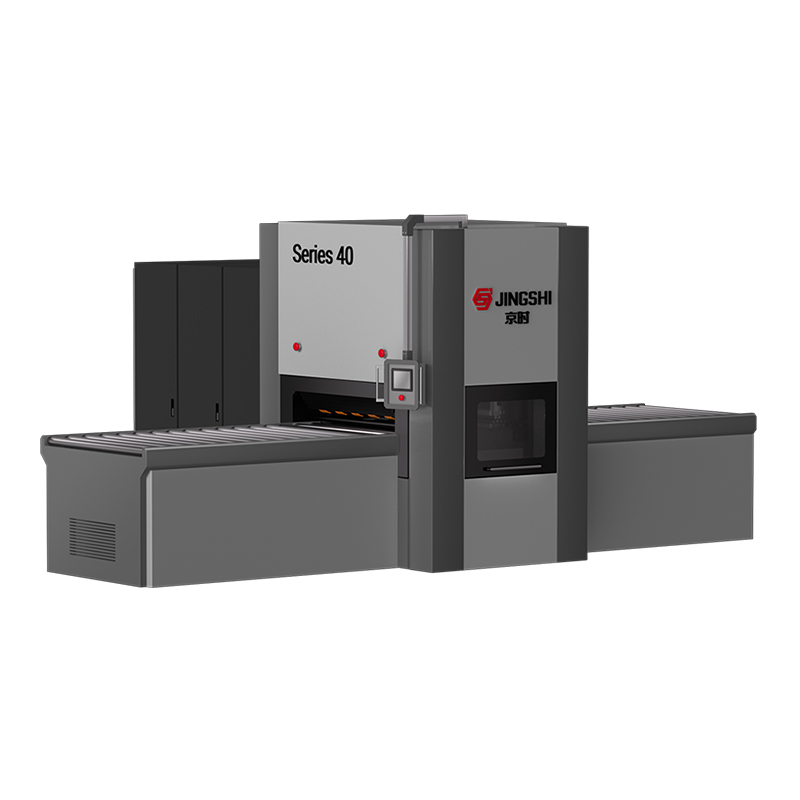

40 Series Heavy-Duty Hydraulic Precision Leveling Machine
-
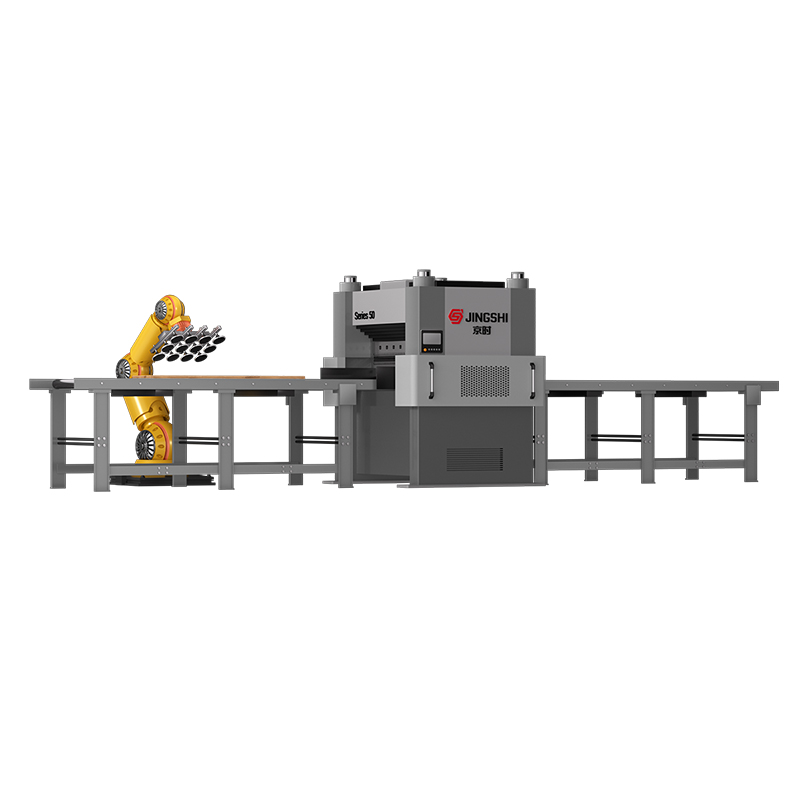
50 Series Four-Column Hydraulic Intelligent Precision Leveling Machine
-
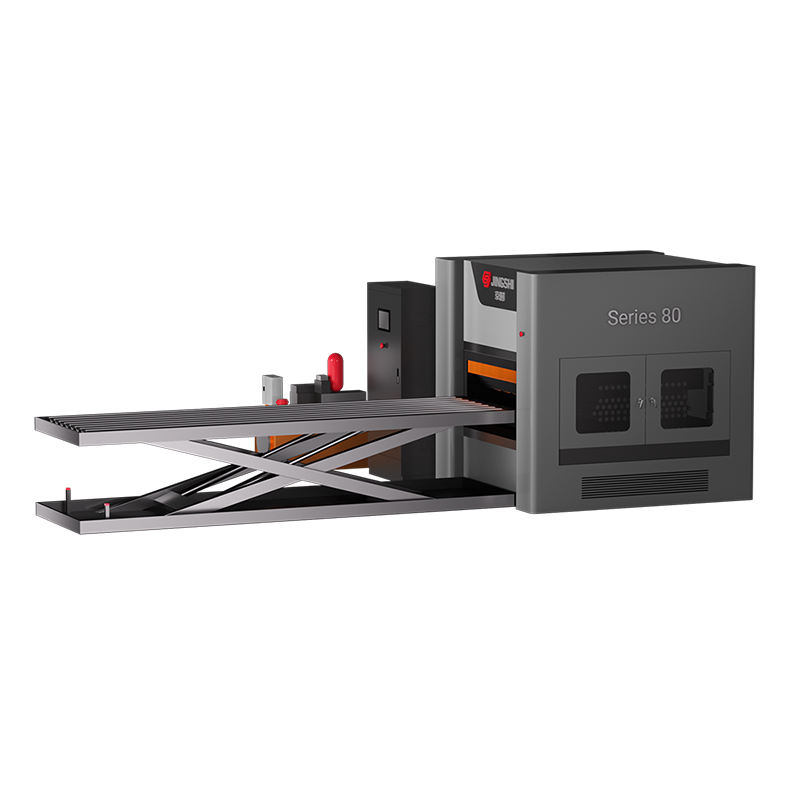
80 Series Heavy-Duty Plate Hydraulic Ultra-Precision Leveling Machine
-
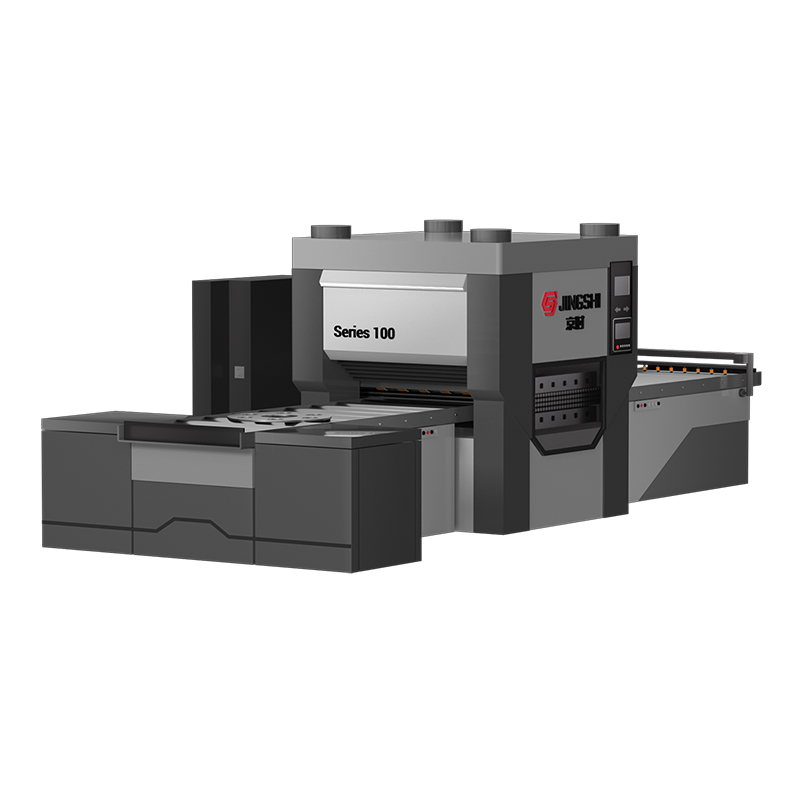
100 Series Large Workpiece Hydraulic Precision Leveling Machine
-
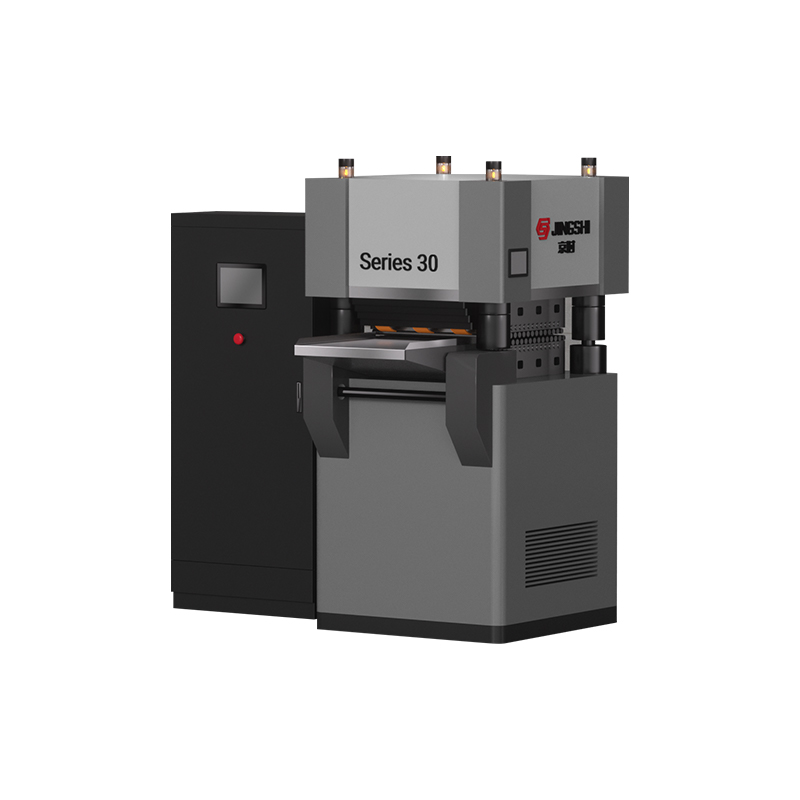
30 Series Thin Plate Hydraulic Servo Precision Leveling Machine
-
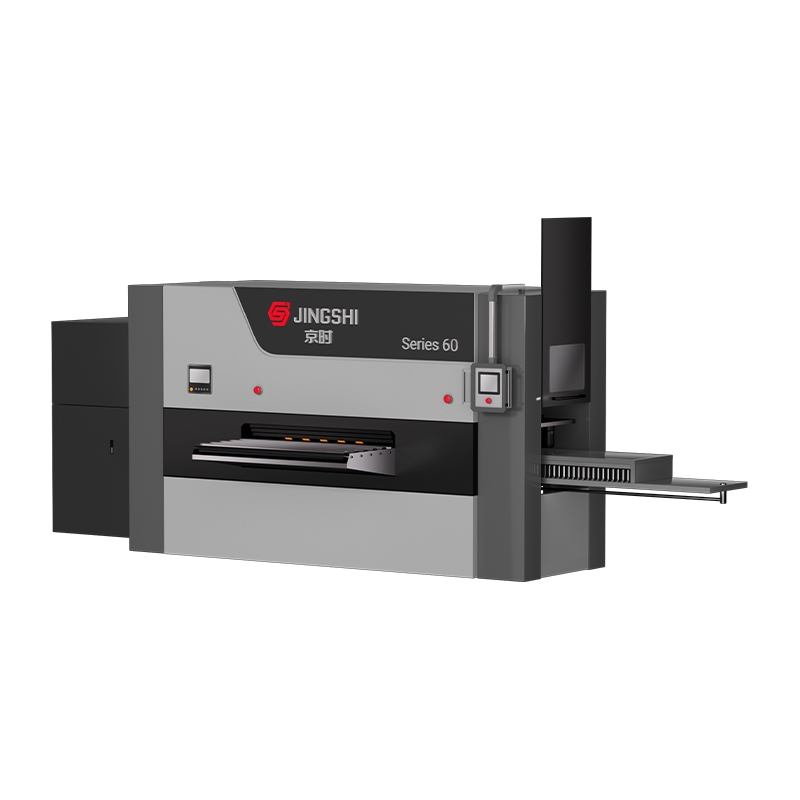
60 Series Thick Plate High-Efficiency Hydraulic Leveling Machine
JingShi Intelligent
Technology Leads, Precision Craftsmanship
JingShi Intelligent boasts a strong R&D team comprising mechanical designers, hydraulic engineers, and automation experts, capable of end-to-end system development from structural design to full line control. We are China Decoiling Leveling Laser Blanking Line Factory. With a manufacturing area of 2,557.97 m² and advanced assembly and inspection facilities, we operate under strict quality management standards.
Each machine undergoes comprehensive testing — including flatness precision, load performance, and noise assessment — to ensure long-term stability and reliability that meets international requirements.
Each machine undergoes comprehensive testing — including flatness precision, load performance, and noise assessment — to ensure long-term stability and reliability that meets international requirements.
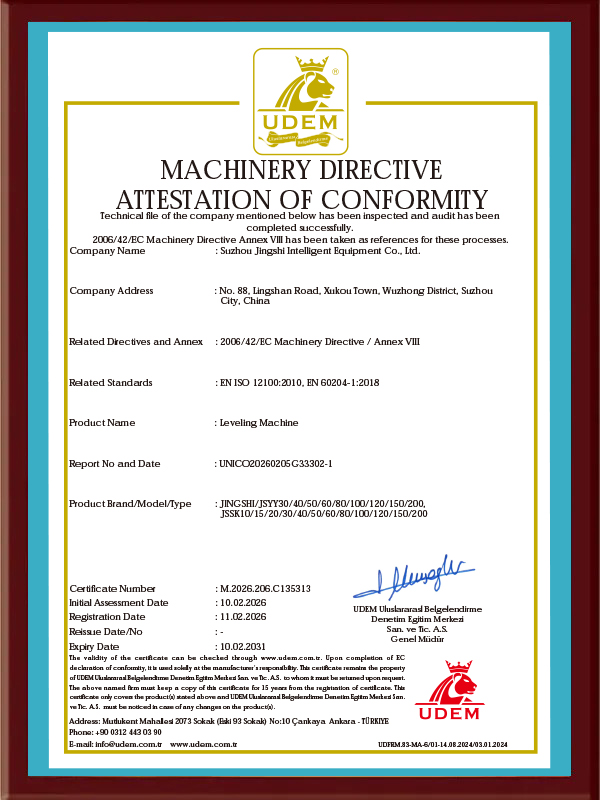
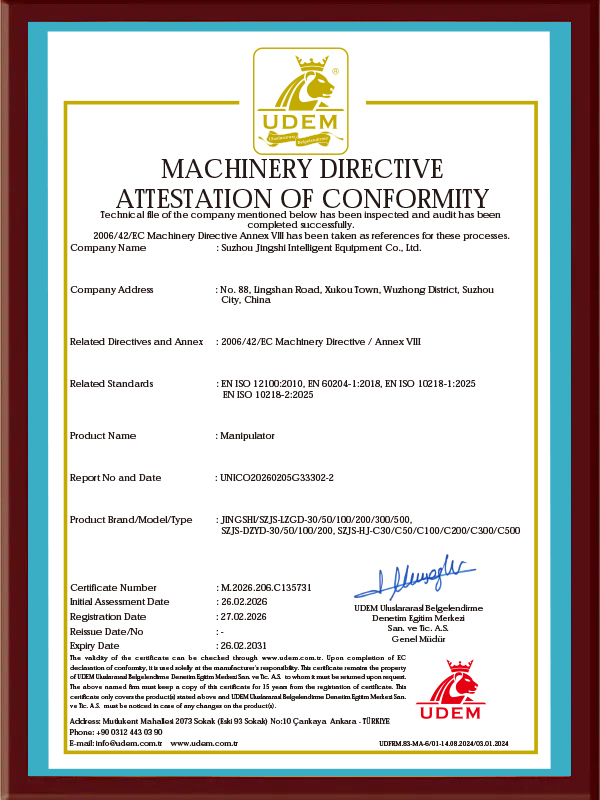
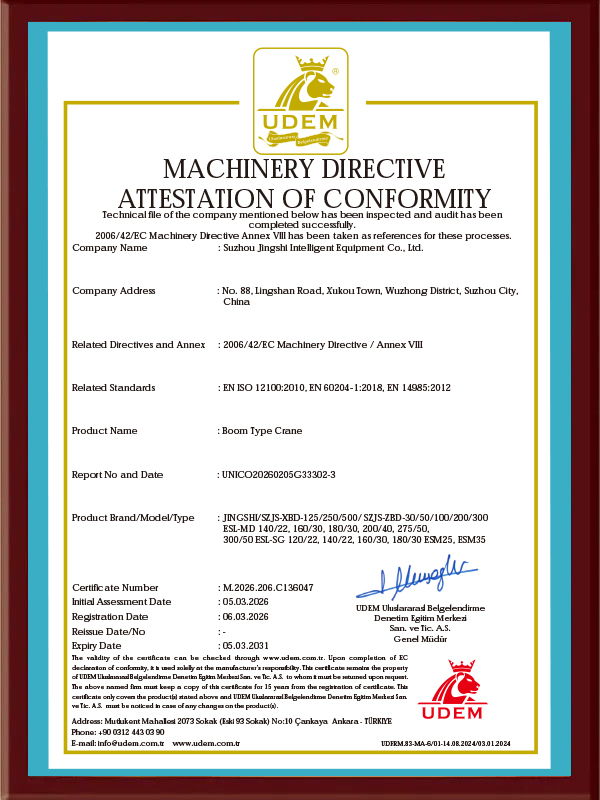
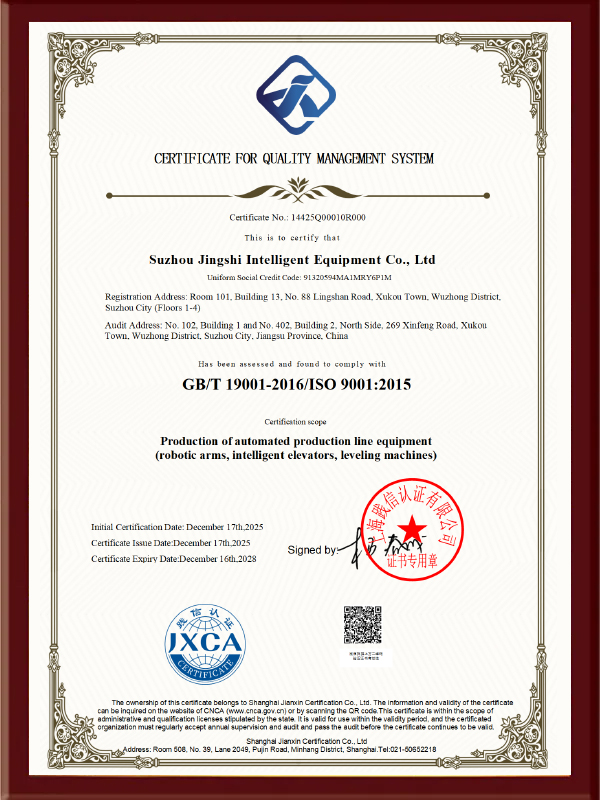
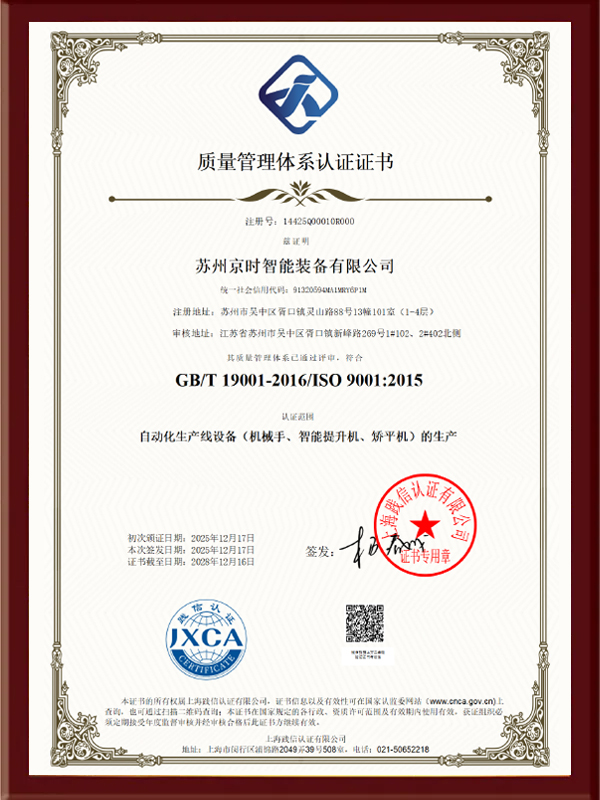
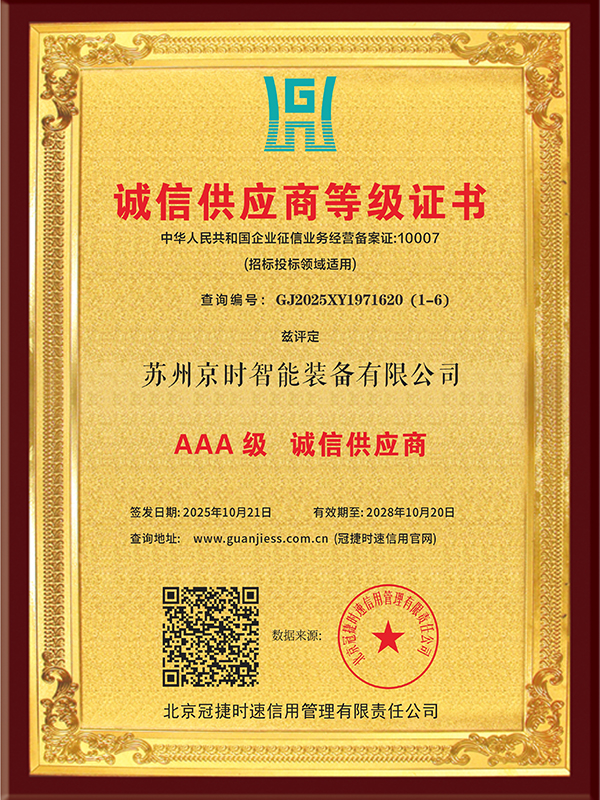
Certificate Of Honor
Stay Connected, Insights & Innovation from JingShi
-

 Industry News
 2026.10.10
Walk through almost any metal fabrication shop and you will hear the same conversation. A new part shape arrives, the die has to be recut, and the pr...
2026.10.10
Walk through almost any metal fabrication shop and you will hear the same conversation. A new part shape arrives, the die has to be recut, and the pr... -
Industry News
2026.09.28
You press a suction cup against a tile, a windshield, or a polished steel panel, and it holds perfectly, until it does not. One morning the hook is o...
-
Industry News
2026.09.21
A vacuum cup is a flexible gripper that holds a workpiece by pulling instead of squeezing. Press the cup against a surface, draw the air out of the s...
-
Industry News
2026.09.18
Metal processing automation is usually described as a robotics story, but anyone who has spent a full shift beside a coil line knows that is only hal...
Contact us
-

-

+ 86 - 4008006155 / + 86 - 512-66064950
-

+ 86 - 13732649503
-

+ 86 - 512-66510623
-

88 Lingshan Road, Xukou Town, Wuzhong District, Suzhou City, Jiangsu Province, China

Copyright © 2025 by Suzhou JingShi Intelligent Equipment Co., Ltd. Rights Reserved. Custom Decoiling Leveling Laser Blanking Line Suppliers
