
 English
 русский
 Español
 عربى
عربى
JingShi
JingShi
JingShi
JingShi
JingShi
JingShi
JingShi
JingShi
JingShi
Precision Hydraulic Leveling Machine Manufacturers
-
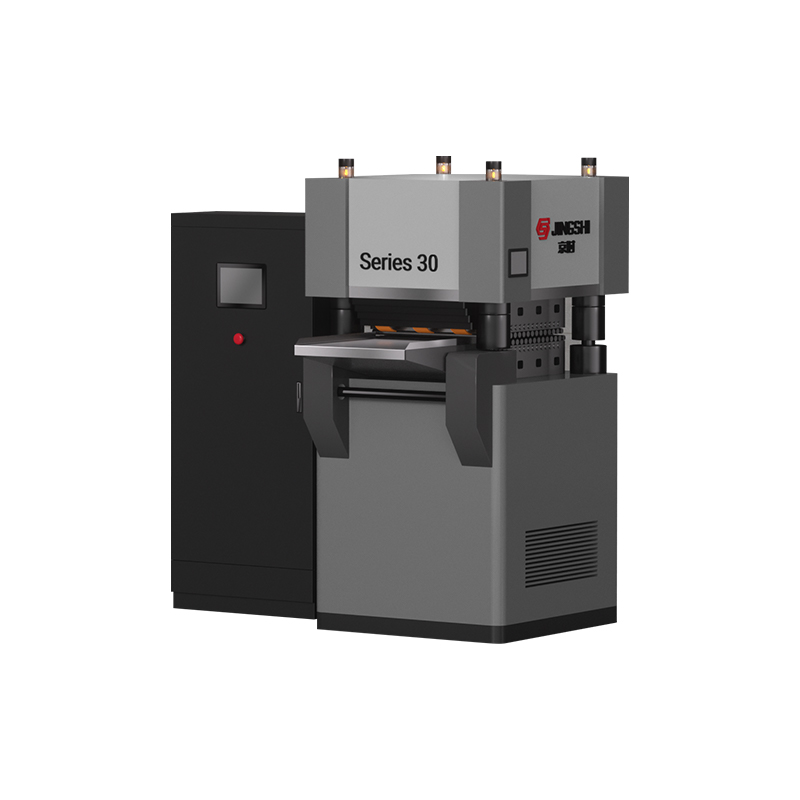

30 Series Thin Plate Hydraulic Servo Precision Leveling Machine
-
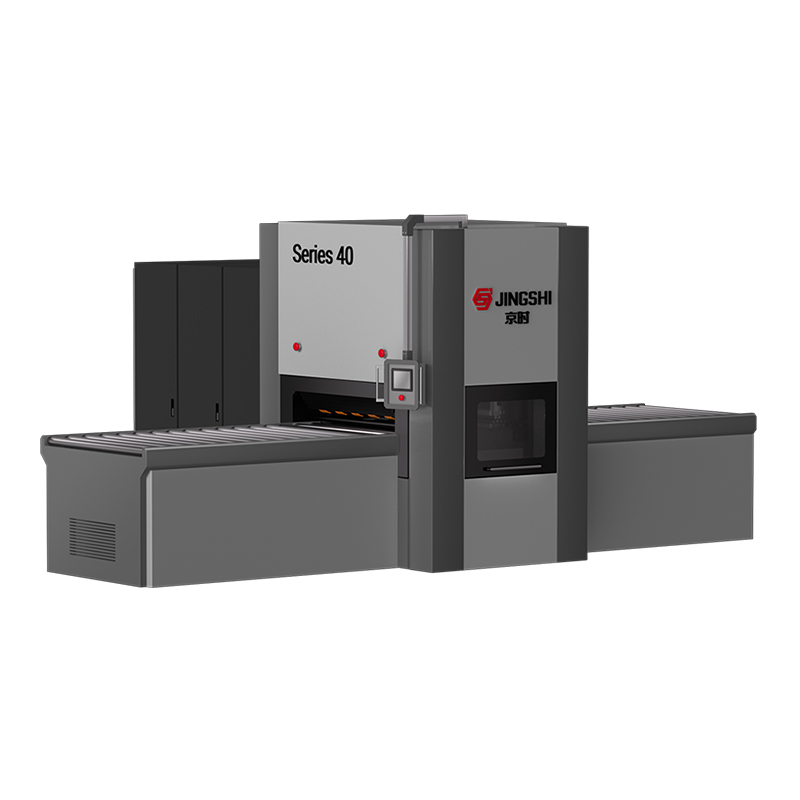
40 Series Heavy-Duty Hydraulic Precision Leveling Machine
-
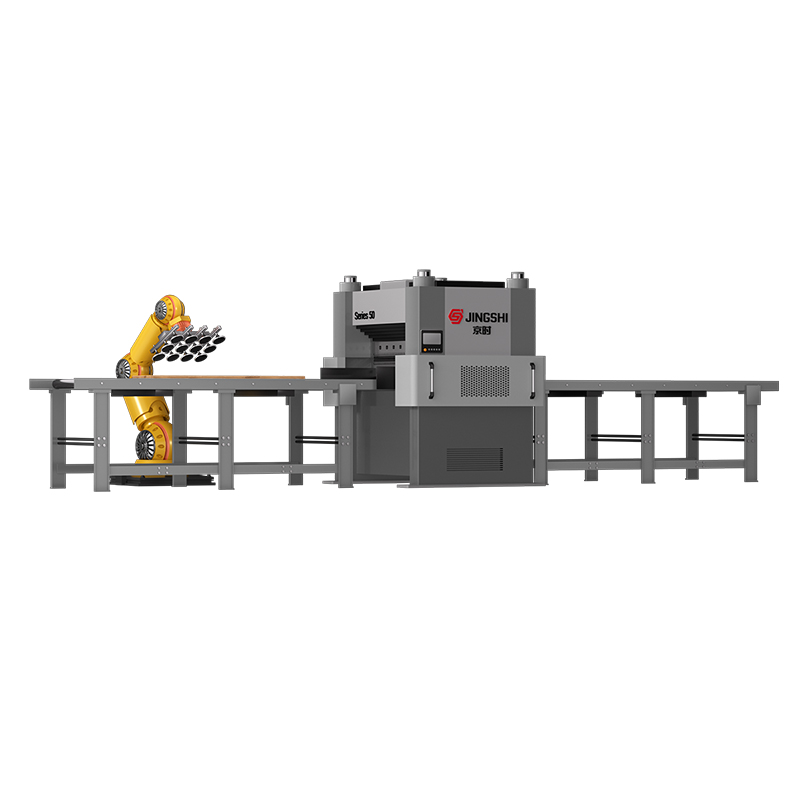
50 Series Four-Column Hydraulic Intelligent Precision Leveling Machine
-
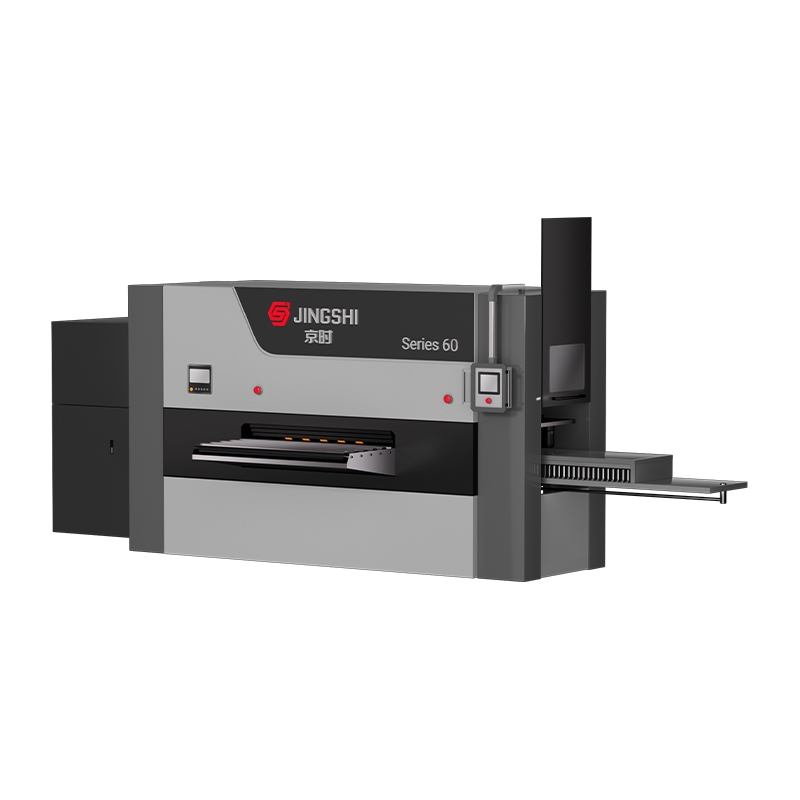
60 Series Thick Plate High-Efficiency Hydraulic Leveling Machine
-
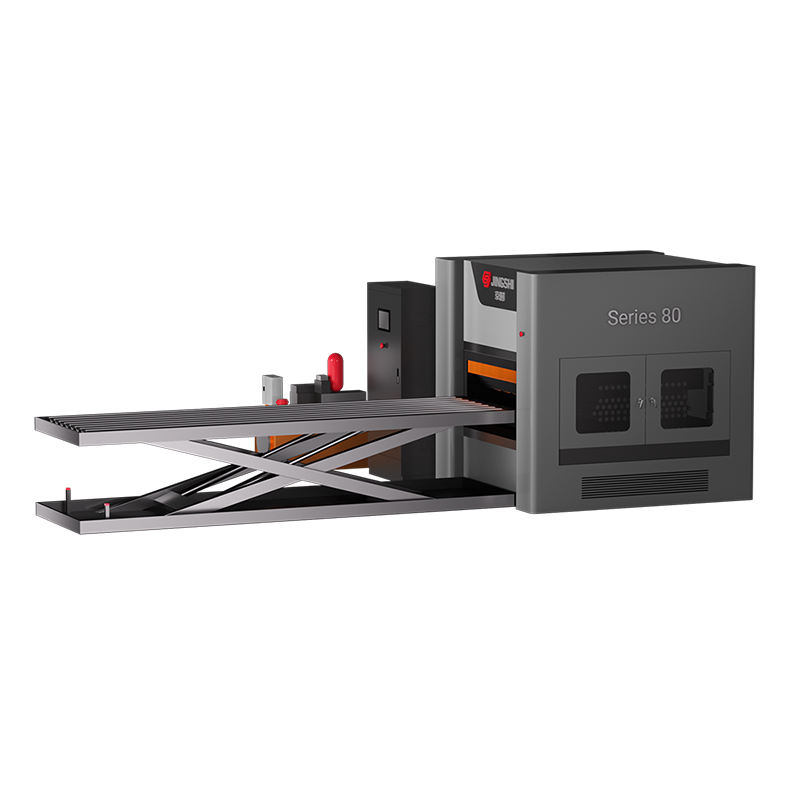
80 Series Heavy-Duty Plate Hydraulic Ultra-Precision Leveling Machine
-
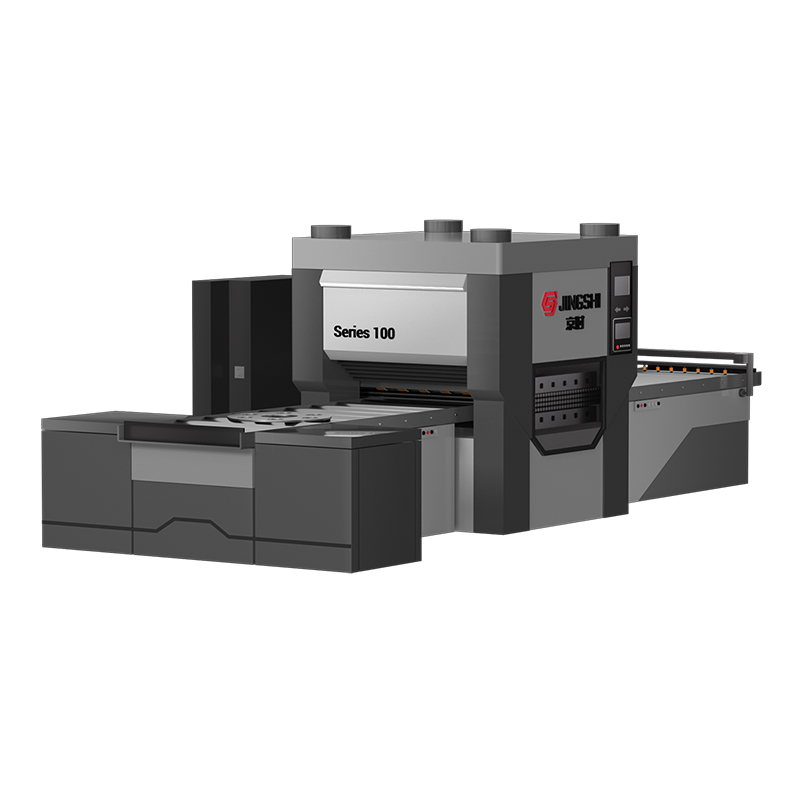
100 Series Large Workpiece Hydraulic Precision Leveling Machine
-
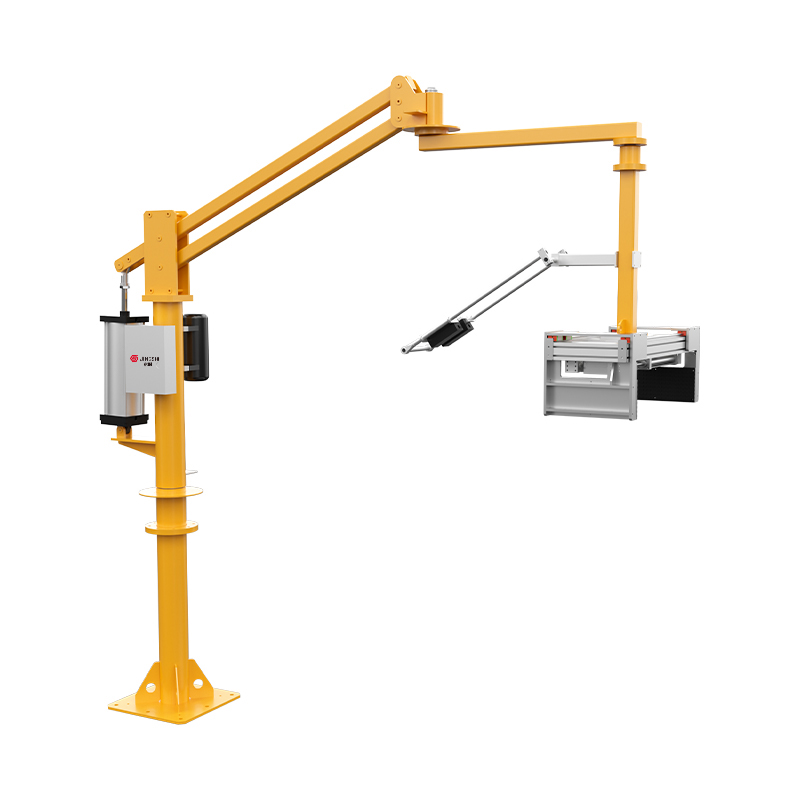
Fixed Power-Assisted Manipulator
-
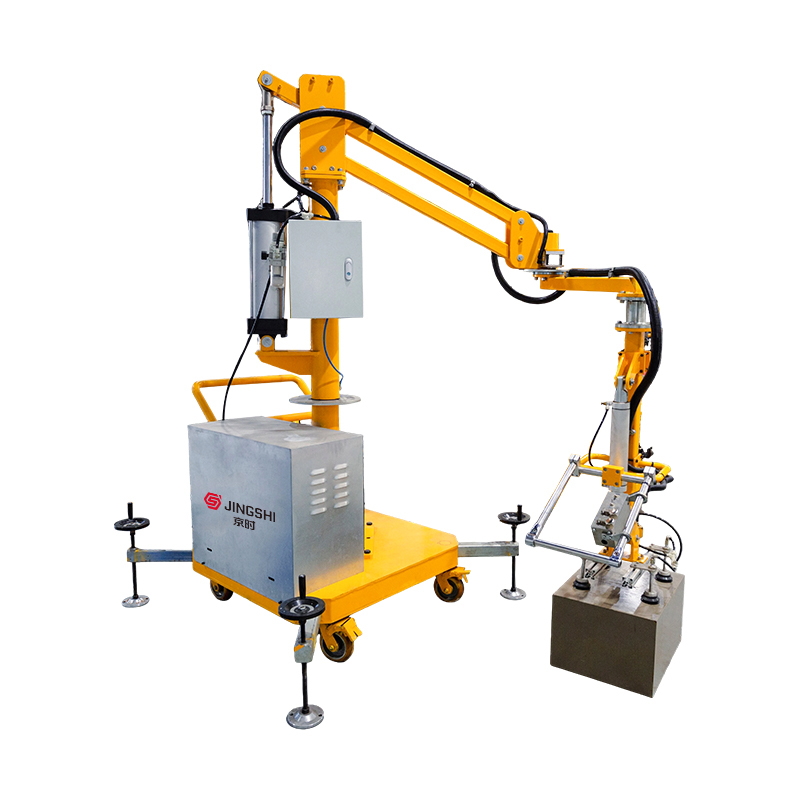
Mobile Power-Assisted Manipulator
-
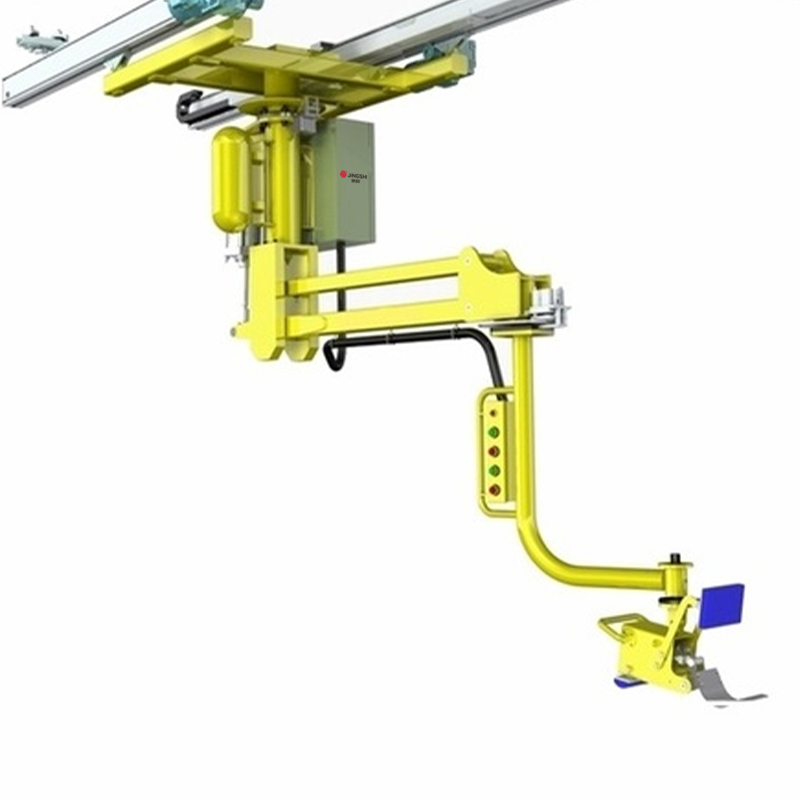
Suspended Power-Assisted Manipulator
-
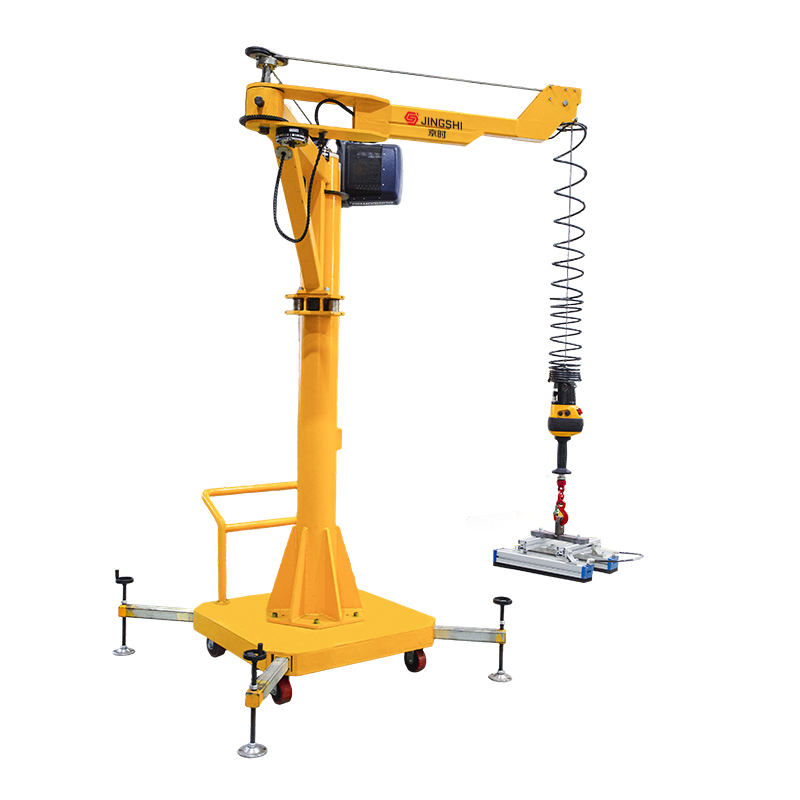
Mobile Folding Arm Crane
-
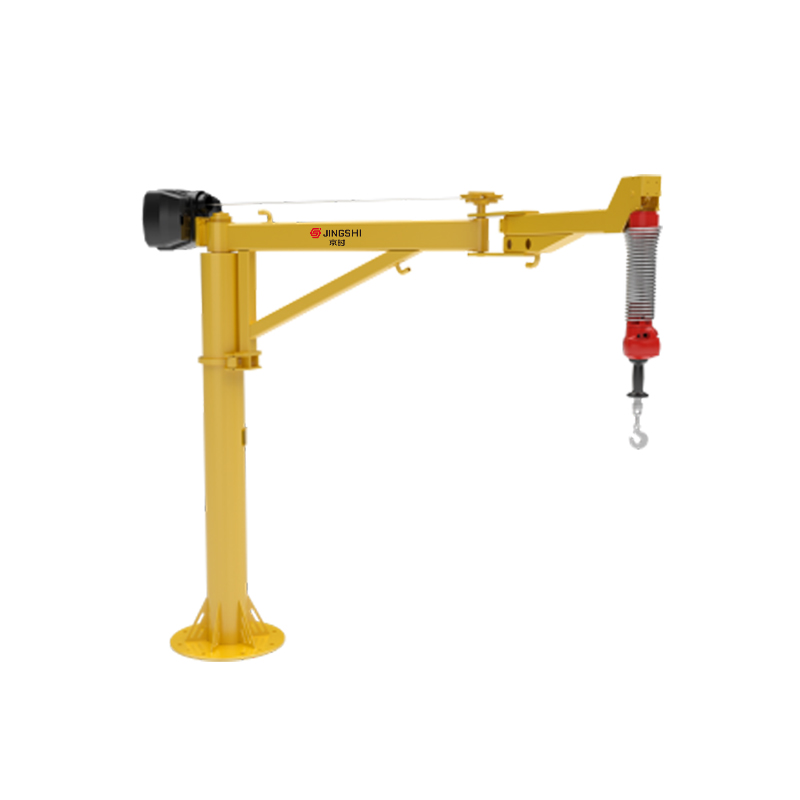
Fixed Folding Arm Crane
-
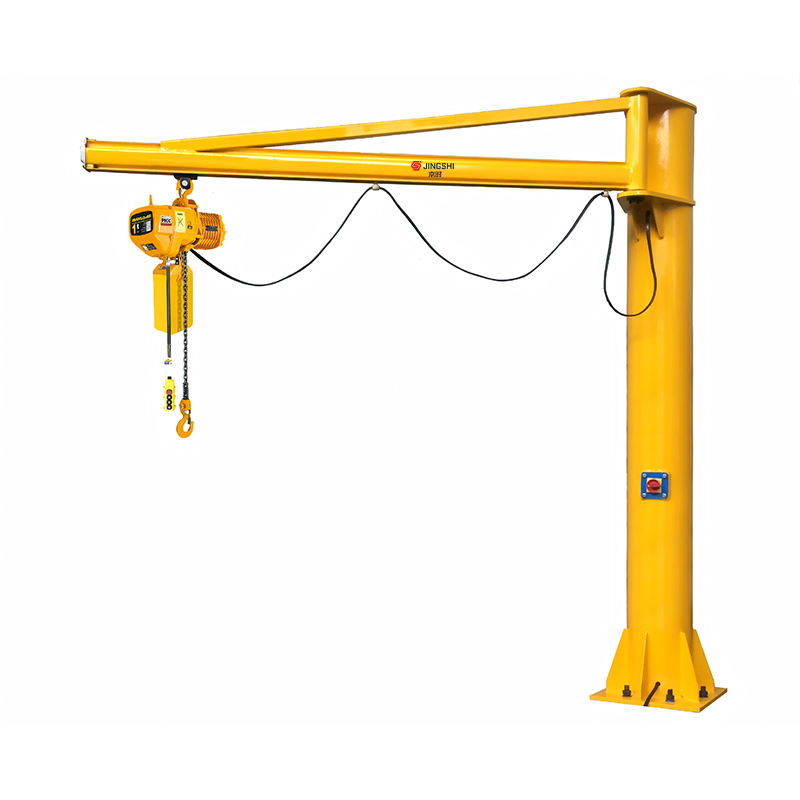
Fixed Jib Crane
About Us
Suzhou JingShi Intelligent Equipment Co., Ltd.
Founded in 2016 and headquartered in Suzhou, China, Suzhou JingShi Intelligent Equipment Co., Ltd. is an integrated high-tech enterprise combining research, manufacturing, and trade. We specialize in hydraulic precision leveling machines and intelligent production line systems, Custom Roller Leveler, committed to delivering high-precision, high-efficiency, and high-stability sheet-metal finishing solutions to global manufacturers.
As Hydraulic Roller Leveler Suppliers and Hydraulic Precision Leveling Machine Company in China, our equipment is widely used in automotive parts, precision sheet metal, elevator components, agricultural machinery, saw blades, precision stamping, profile manufacturing, and electrical applications. Through continuous innovation and technical excellence, JingShi has become a trusted partner for manufacturers around the world.
As Hydraulic Roller Leveler Suppliers and Hydraulic Precision Leveling Machine Company in China, our equipment is widely used in automotive parts, precision sheet metal, elevator components, agricultural machinery, saw blades, precision stamping, profile manufacturing, and electrical applications. Through continuous innovation and technical excellence, JingShi has become a trusted partner for manufacturers around the world.
Message Feedback
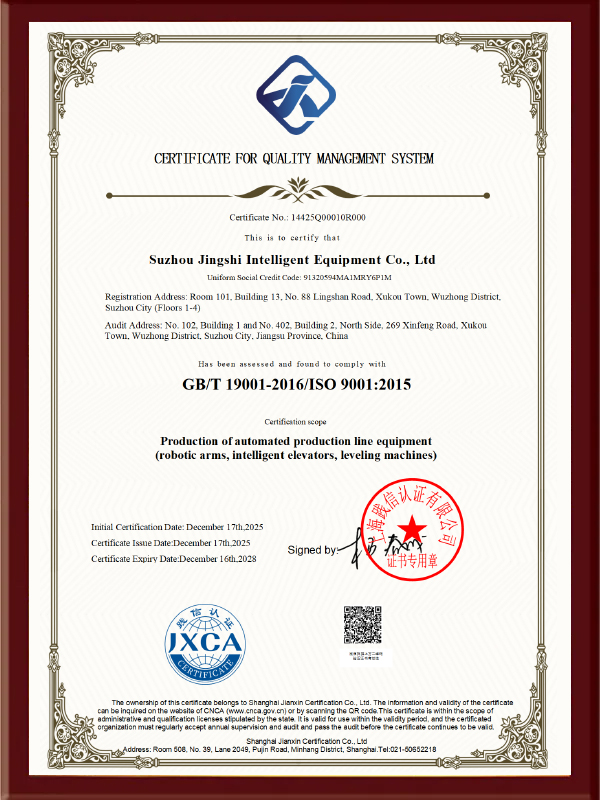
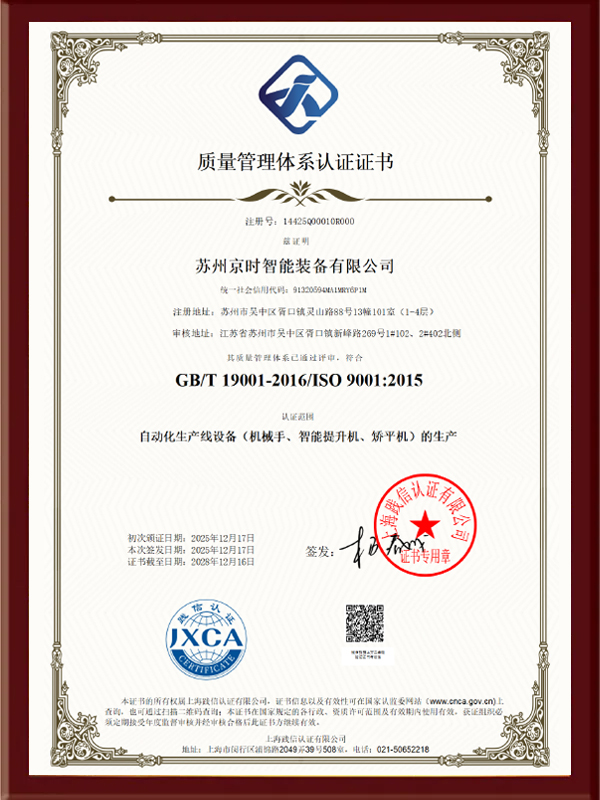
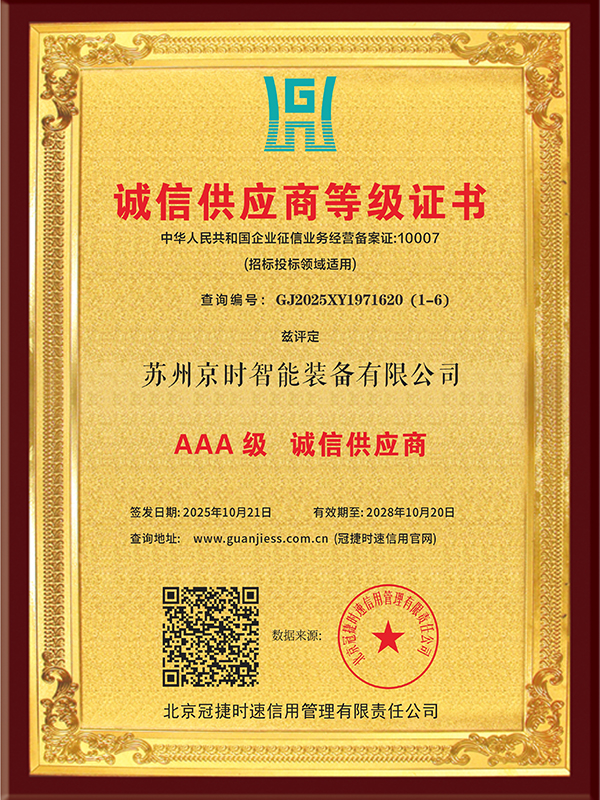
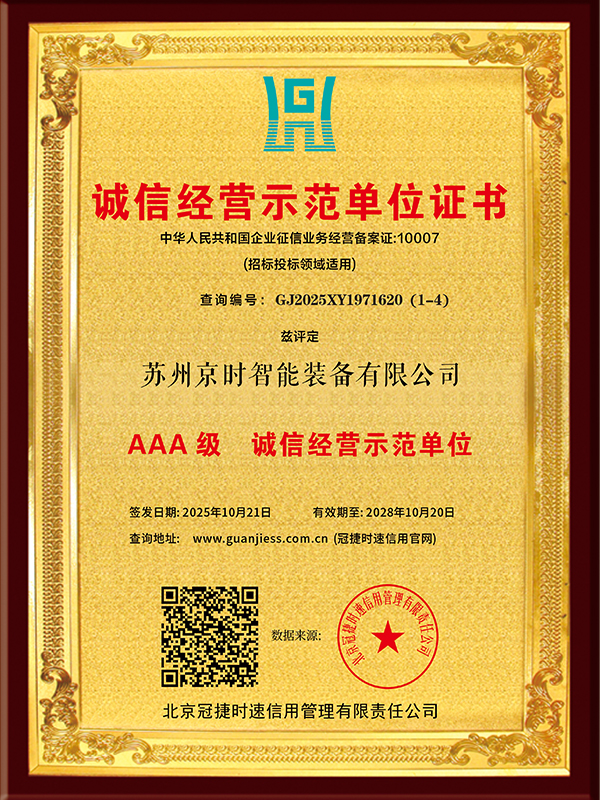
Certificate Of Honor
Stay Connected, Insights & Innovation from JingShi
-

 Industry News
 2026.02.23
Crane components determine lifting safety, uptime, and load control. If you understand the key parts—especially the hoist, wire rope/chain, hooks, brakes, boom/jib structure, slewi...
2026.02.23
Crane components determine lifting safety, uptime, and load control. If you understand the key parts—especially the hoist, wire rope/chain, hooks, brakes, boom/jib structure, slewi... -
Industry News
2026.02.16
What Is a Jib Crane? A jib crane is a lifting device with a horizontal rotating arm (the jib) that moves loads within a defined circular or semi-circular area. It’s designed for s...
-
Industry News
2026.02.09
A leveler, also known as a leveling machine or roller leveler, is an industrial machine designed to flatten metal coils, sheets, and plates by eliminating internal stresses, warpi...
-
Industry News
2026.02.02
Pascal's Law: The Foundation of Hydraulic Systems Hydraulic machines work under the principle of Pascal's Law, which states that pressure applied to a confined incompressible flui...
Industry knowledge
How Bulk Buyers Should Specify “Flatness” Without Creating Disputes
In leveling procurement, “flat” is only actionable when it is measurable on a defined reference length and measurement method. The most purchase-safe approach is to lock three items together: reference length, measurement tool, and acceptance sampling (per sheet, per coil, per batch).
Practical spec language that closes loopholes
- Define reference length (e.g., 1,000 mm along feed direction) and reference width zone (center + edges).
- State the measurement method: straightedge + feeler gauge, granite table + dial indicator, or optical flatness system.
- Separate “shape” from “stress”: require both geometric flatness and a stress-related proxy (e.g., stable behavior after laser cutting).
- Add a warm-up clause: acceptance starts after the machine reaches steady temperature (oil + frame stabilized).
If you buy for stamping or laser blanks, make sure flatness is specified in the same orientation your downstream process “sees” the sheet; otherwise, you can pass inspection yet fail in production.
Roll Diameter, Pitch, and Roller Count: The Selection Logic That Most RFQs Miss
A Hydraulic Roller Leveler is fundamentally a controlled repeated-bending system. The roller diameter and pitch determine the achievable curvature and how deep plastic deformation penetrates the thickness. For bulk buyers, the risk is not under-buying capacity, but mis-matching geometry to your thickness and yield-strength mix.
| Material/Thickness Pattern | Preferred Roll Geometry | Why It Works | Typical Risk If Mis-Matched |
|---|---|---|---|
| Thin, high-strength strip mix | Smaller diameter + tighter pitch + more rolls | Increases bending frequency; reduces “memory” | Edge wave persists; springback returns after cutting |
| Medium plate with waviness/crossbow | Balanced diameter + moderate pitch | Good compromise of penetration and surface safety | Overworking creates roller marks or thickness loss |
| Thick plate / large workpieces | Larger diameter + higher frame stiffness | Carries load without frame deflection dominating | Capacity looks fine on paper, accuracy fails under load |
When we build a Custom Roller Leveler solution, we always ask for your thickness distribution (not just the max) because the “daily mix” is what determines whether a Hydraulic Precision Leveling Machine feels stable in real production.
Hydraulic Control Details That Actually Impact Accuracy (Beyond “Hydraulic vs Mechanical”)
Two machines can both be “hydraulic,” yet behave very differently under coil-to-coil variation. What matters for precision is the quality of force/position control, stiffness compensation, and how the system reacts to incoming material deviations.
RFQ questions that reveal the real capability
- Is roller gap governed by position feedback (linear scale/LVDT) or inferred from hydraulic pressure?
- Does the system support closed-loop force control (load cells) for consistent penetration across yield-strength swings?
- How is frame deflection compensated at high load (algorithmic compensation vs “set-and-hope”)?
- What is the repeatability of a stored recipe under temperature drift (oil viscosity changes)?
For bulk production, the best KPI is not a one-off demo sheet—it's recipe repeatability across multiple coils with realistic incoming shape variation.
Multi-Zone Leveling for Edge Wave and Crossbow: What to Ask for Upfront
Edge wave and crossbow are often “width-distributed” problems: the edges and center are carrying different residual stress histories. A single uniform gap setting may flatten the center while leaving edge instability, especially on wide strip and high-strength grades.
Constructive buyer-side options
- Independent left-right adjustment (or segmented cylinders) to correct asymmetric edge wave.
- Higher frame stiffness and guided upper beam to keep the gap uniform at high tonnage.
- Width-based compensation tables (recipes that vary by width, not only thickness).
If your application includes wide blanks for elevator panels or automotive parts, specifying multi-zone capability early is usually cheaper than retrofitting after the first year of yield-loss.
Surface Protection: Preventing Roller Marks While Still Removing Stress
For precision sheet metal and electrical applications, the commercial risk is often cosmetic. The paradox is that better de-stressing requires enough penetration to “work” the fibers—yet excessive localized pressure can imprint the surface.
Controls and hardware features that reduce marking
- Specify roller surface finish targets (e.g., Ra ≤ 0.8 μm) and consistent roller hardness across the set.
- Use appropriate entry/exit support and correct pass-line alignment to avoid localized “nose loading.”
- Require an easy cleaning method (brush + solvent-safe design) for oily or scaled material.
- Ask for process windows: the vendor should provide a recommended penetration range per material family.
In our deliveries, we prefer to validate surface risk using your real upstream condition (oil, film, scale), because a perfect lab sheet rarely represents bulk production reality.
Coil-Fed Line Compatibility: Leveler Integration Details That Drive OEE
For buyers investing in intelligent production line systems, integration details determine whether the leveler is a throughput enabler or a bottleneck. The most common hidden losses come from mismatch of pass line, loop control strategy, and changeover behavior.
Integration checklist for coil-to-press or coil-to-laser lines
- Pass-line height definition and adjustment range (align decoiler, feeder, and downstream equipment).
- Speed synchronization and tension management strategy (especially for thin strip and high-speed feeding).
- Recipe management: saved settings linked to thickness, grade, width, and target flatness.
- Interlocks and safety circuits (E-stop propagation, guarding, pinch point protection).
If your operation runs multiple SKUs per shift, demand proof of repeatable changeover—not just peak leveling speed.
Changeover Economics: Where “Quick Adjust” Actually Comes From
Bulk buyers usually track cost per part, but leveling performance affects cost per changeover. The time you lose is typically not in running the sheet—it is in cleaning, re-threading, and finding the stable window again.
Buyer-side levers to reduce downtime
- Recipe-based setup with “guard rails” (limits to prevent operators from over-penetrating and creating marks).
- Accessible roller cleaning and inspection points without disassembling guarding.
- Quick-release guides and standardized threading path to reduce operator variance.
In high-mix production, a Hydraulic Precision Leveling Machine that saves even 5–10 minutes per changeover can outweigh small differences in theoretical leveling capacity.
Hydraulic System Reliability: Oil Cleanliness and Temperature Are the Silent Spec Items
Many “precision” complaints are actually hydraulic stability problems: contaminated oil increases valve stick-slip, and temperature drift changes viscosity, which changes response. Bulk buyers should treat hydraulics like a process system, not just a power source.
Maintenance specs worth writing into your service plan
- Filtration target and monitoring: specify an oil cleanliness goal (commonly around ISO 4406 18/16/13 or better, depending on valve class).
- Temperature control: ensure heat exchanger capacity matches duty cycle; track oil temp in HMI alarms.
- Seal and hose lifecycle plan for continuous operation plants (stocking critical spares prevents multi-day stoppages).
If you are buying at scale, we recommend budgeting a small, planned “hydraulic health” routine; it protects both accuracy and uptime with minimal cost.
FAT/SAT Acceptance Testing: How to Validate Performance With Your Own Material
Factory Acceptance Tests (FAT) and Site Acceptance Tests (SAT) succeed when the test material represents your true incoming condition: yield-strength range, thickness distribution, and upstream shape defects. For bulk buyers, acceptance should prove stability across variation, not perfection on one coupon.
A high-signal test plan
- Test at least three coils/sheets that span your real thickness and strength range (include a “bad actor” coil).
- Measure flatness before and after, and also after a downstream step (laser cut pattern or stamping trial) to check stress release behavior.
- Verify recipe recall: save settings, power-cycle, then reproduce results within a defined tolerance band.
A buyer-friendly acceptance criterion is: stable flatness plus stable downstream behavior, with repeatability as the deciding metric.
Data, Traceability, and “Intelligent Line” Readiness: What to Capture From Day One
As leveling becomes a critical quality gate, bulk buyers increasingly need traceability: which recipe, which operator action, which coil, and what the leveling forces looked like. This is how you correlate leveling settings to scrap, rework, and customer returns.
Minimum dataset that enables continuous improvement
- Recipe ID + revision, thickness/width/grade, line speed, and key roller gap/force setpoints.
- Alarm history with timestamps (hydraulic temperature, pressure anomalies, sensor faults).
- OEE drivers: uptime, changeover time, first-pass yield for flatness/stress criteria.
When your leveling station is integrated into a production line, capturing the right signals turns a Hydraulic Roller Leveler from a “black box” into a controllable quality process.
Contact us
-

-

+ 86 - 4008006155 / + 86 - 512-66064950
-

+ 86 - 16761730338
-

+ 86 - 512-66510623
-

88 Lingshan Road, Xukou Town, Wuzhong District, Suzhou City, Jiangsu Province, China

Copyright © 2025 by Suzhou JingShi Intelligent Equipment Co., Ltd. Rights Reserved. Custom Roller Leveler Suppliers
